The Ultimate Guide to Healthy Fats on Mediterranean Diet
Understanding Healthy Fats on the Mediterranean Diet
Welcome back to VitalityDish, your ultimate online destination for vibrant living and wholesome eating! If you have ever looked at the sun-drenched coasts of Greece, Italy, and Spain and wondered how traditional communities lived long, disease-free lives while generously dousing their meals in olive oil, you are in the right place. For decades, low-fat diets dominated the health conversation, convincing us that fat was the ultimate enemy of weight loss and heart health. However, modern nutritional science and ancient culinary traditions agree: fat is not only good for you; it is essential. Welcome to our comprehensive ultimate guide on Understanding Healthy Fats on the Mediterranean Diet.
When you dive deep into this lifestyle, you quickly realize that the Mediterranean way of eating is not about deprivation. Instead, it is an abundant celebration of fresh produce, whole grains, lean proteins, and—most importantly—quality dietary fats. By mastering the art of choosing the right fats, you unlock a world of culinary flavor while protecting your cardiovascular system, balancing your hormones, and keeping hunger at bay. Whether you are looking for tips on everyday cooking or want to understand the deeper science of lipid profiles, this guide will walk you through everything you need to know about heart-healthy lipids.
The Science of Lipids: Why Fat is Essential for Vitality

Before we explore specific food sources, let us demystify the biochemistry. Dietary fats are macronutrients that play crucial structural and functional roles in the human body. They form the outer membranes of every single cell, facilitate the absorption of fat-soluble vitamins (A, D, E, and K), and act as precursors to important signaling molecules that regulate inflammation and blood clotting. When we talk about Understanding Healthy Fats on the Mediterranean Diet, we are primarily focusing on unsaturated fats—both monounsaturated and polyunsaturated fats—which have been extensively studied for their powerful protective effects on health.
Unlike trans fats found in processed baked goods or excessive saturated fats from heavily marbled factory-farmed meats, healthy fats actively support our physiological systems. Monounsaturated fatty acids (MUFAs), in particular, are the crown jewels of the Mediterranean table. They help maintain healthy cholesterol levels by lowering LDL (bad) cholesterol while preserving or even raising HDL (good) cholesterol. Furthermore, incorporating these nutrient-dense fats into your daily meals pairs wonderfully with strategies like Mediterranean Diet Portion Control for Pasta & Wine, ensuring you feel deeply satisfied without overconsuming calories.
Top Sources of Healthy Fats in the Mediterranean Lifestyle
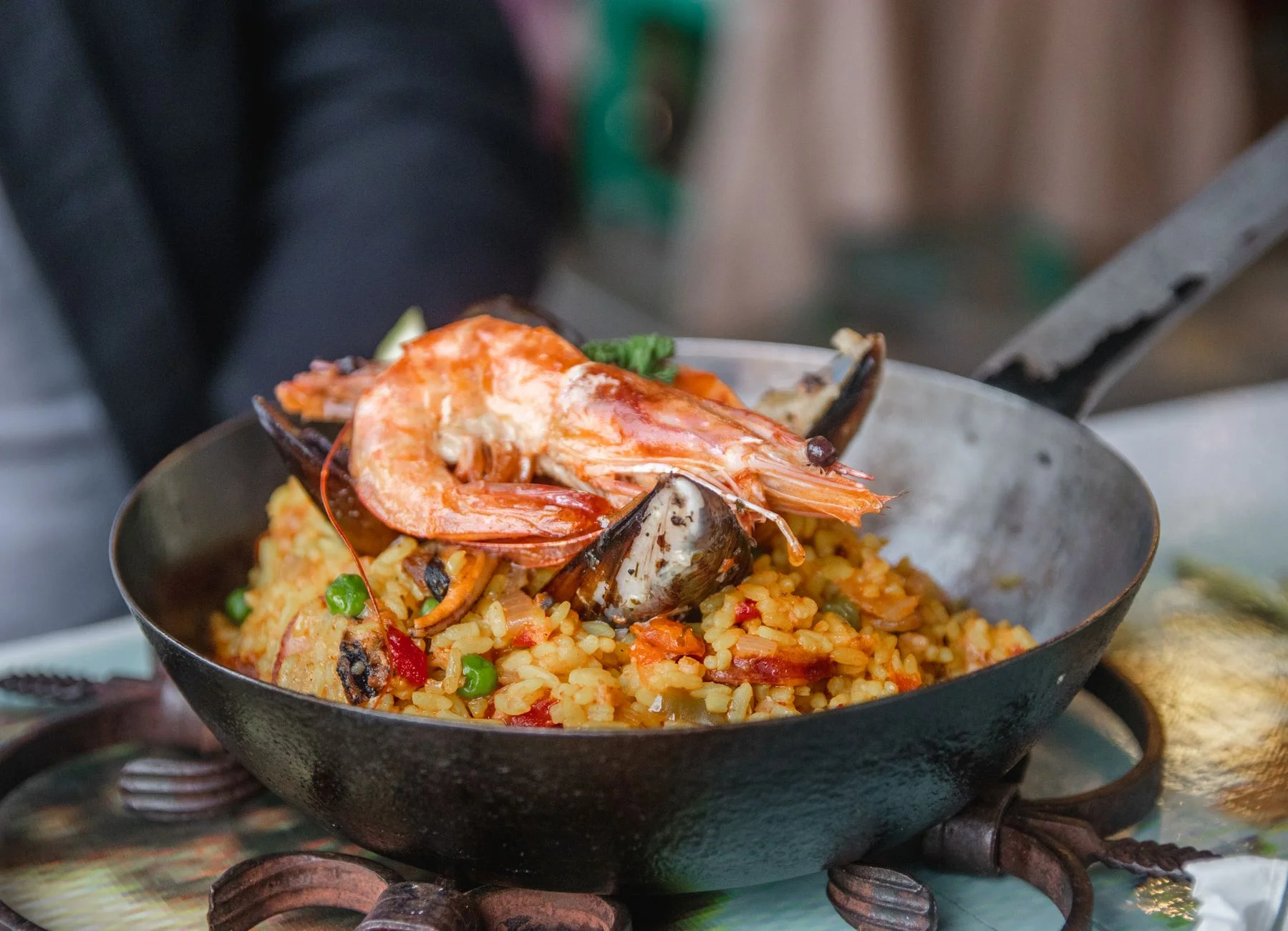
The beauty of the Mediterranean diet is that its healthy fats come from whole, minimally processed food sources that taste incredible. Let us break down the primary all-stars that you should stock in your pantry and refrigerator:
- Extra Virgin Olive Oil (EVOO): The undisputed king of Mediterranean kitchens. It is packed with monounsaturated oleic acid and potent antioxidants. For deep insights into picking the right bottle, check out our Extra Virgin Olive Oil: The Ultimate Buyer’s Guide. Additionally, to learn more about the micronutrients inside this liquid gold, read our breakdown on Polyphenols in Extra Virgin Olive Oil: Daily Guide.
- Nuts and Seeds: Walnuts, almonds, chia seeds, and flaxseeds provide a brilliant crunch along with plant-based omega-3 fatty acids and fiber.
- Avocados: Creamy, versatile, and loaded with heart-healthy MUFAs, potassium, and vitamins.
- Fatty Fish: Salmon, sardines, mackerel, and anchovies deliver rich amounts of marine-based EPA and DHA omega-3s, which are legendary for brain and heart function.
When cooking with these ingredients, remember that enhancing your meals with aromatic elements can elevate the experience even further. If you love fresh flavors, don’t miss The Ultimate Guide to Fresh Herbs in Mediterranean Diet cuisine, which pairs exceptionally well with healthy fat sources. Moreover, if you want to expand your culinary repertoire beyond oils and nuts, our resource on The Ultimate Guide to 10 Quick Mediterranean Cooking offers lightning-fast weeknight meal ideas.
Health Benefits of Embracing Mediterranean Fats
Why go out of your way to incorporate these specific lipids into your daily routine? The health perks are backed by decades of robust clinical research:
1. Superior Cardiovascular Protection
The landmark PREDIMED study definitively showed that a Mediterranean diet supplemented with extra virgin olive oil or mixed nuts reduced the incidence of major cardiovascular events—like stroke, myocardial infarction, and death from cardiovascular causes—by roughly 30% compared to a reduced-fat control diet. These fats keep arterial walls pliable and suppress systemic inflammation.
2. Enhanced Cognitive Longevity
Your brain is nearly 60% fat, making dietary lipid quality vital for neurological health. The omega-3 fatty acids and antioxidants found in Mediterranean fats help protect against cognitive decline, support neurogenesis, and maintain sharp memory as you age.
3. Blood Sugar Regulation and Satiety
Fat slows down gastric emptying. When you combine healthy fats with complex carbohydrates and lean proteins, you prevent sharp spikes and crashes in blood glucose. This sustained energy release keeps you full for hours, making weight management feel effortless rather than restrictive. For a vibrant, veggie-packed lunch that embodies this balance, try our popular The Ultimate Guide to Mediterranean Chickpea Salad.
Step-by-Step Recipe: Lemon-Herb Grilled Salmon with Avocado-Dakos Crumb Salad

To celebrate the wonderful world of healthy fats, let us put theory into practice with a stunning, nutrient-dense recipe that highlights omega-3 fatty acids from salmon, monounsaturated fats from olive oil and avocado, and gut-healthy fiber.
This dish also channels the spirit of our favorite traditional recipes, drawing inspiration from wellness concepts similar to those found in 7 Ways Cretan Dakos Salad Heals Your Gut and the protein-packed elegance of The Ultimate Guide to Greek Lemon Chicken Bowls: H.
Ingredients:
- 2 wild-caught salmon fillets (approx. 6 oz each)
- 3 tablespoons extra virgin olive oil (divided)
- 1 large, ripe avocado, diced
- 1 cup cherry tomatoes, quartered
- 2 traditional barley rusks (or whole-wheat sourdough croutons), broken into bite-sized pieces
- 1/4 cup crumbled authentic feta cheese
- Juice and zest of 1 organic lemon
- 2 cloves garlic, minced
- 1 tablespoon fresh oregano, chopped
- Sea salt and freshly cracked black pepper to taste
Instructions:
- Marinate the Salmon: In a small bowl, whisk together 1 tablespoon of extra virgin olive oil, minced garlic, lemon zest, half of the lemon juice, sea salt, and black pepper. Rub this aromatic mixture evenly over the salmon fillets and let them rest at room temperature for 15 minutes.
- Prepare the Salad Base: In a medium mixing bowl, combine the diced avocado, quartered cherry tomatoes, and broken barley rusks. Drizzle the remaining 2 tablespoons of extra virgin olive oil and the rest of the fresh lemon juice over the mixture. Toss gently so the rusks absorb the flavorful oils and juices without getting overly soggy.
- Cook the Salmon: Heat a skillet over medium-high heat (or preheat your grill to medium-high). Place the salmon fillets skin-side down. Cook undisturbed for about 4 to 5 minutes until the skin is wonderfully crisp, then gently flip and cook for another 2 to 3 minutes until cooked to your liking.
- Assemble and Serve: Divide the avocado-dakos salad between two shallow plates. Top each bed of vibrant salad with a warm, pan-seared salmon fillet. Sprinkle the crumbled feta cheese and fresh oregano over the top. Serve immediately and savor every bite of health-boosting goodness!
Nutrition Facts
Below is the estimated nutritional breakdown for one serving of the Lemon-Herb Grilled Salmon with Avocado-Dakos Crumb Salad:
| Nutrient | Amount per Serving | % Daily Value* |
|---|---|---|
| Calories | 540 kcal | 27% |
| Total Fat | 36g | 46% |
| Saturated Fat | 6g | 30% |
| Monounsaturated Fat | 22g | – |
| Omega-3 Fatty Acids | 2.4g | – |
| Sodium | 420mg | 18% |
| Total Carbohydrates | 24g | 9% |
| Dietary Fiber | 7g | 25% |
| Sugars | 4g | – |
| Protein | 35g | 70% |
*Percent Daily Values are based on a 2,000 calorie diet. Your daily values may vary depending on your calorie needs.
Holistic Wellness and Mindful Eating
True vitality extends far beyond what is on your dinner plate. In the traditional Mediterranean region, meals are a social ritual—a time to slow down, connect with loved ones, and savor every flavor. Rushing through meals or eating under intense stress can negatively impact your digestion and nutrient absorption. That is why integrating mindful practices is a cornerstone of our philosophy here at VitalityDish.
If you find modern life hectic, consider exploring how mental tranquility supports physical health through our guides on Mediterranean Mindset: Lower Cortisol & Stress Naturally and Stoic Journaling: Ancient Mental Health Practices. Cultivating a calm mind helps optimize metabolic function, ensuring your body utilizes those wonderful healthy fats efficiently.
Frequently Asked Questions
Can I eat too many healthy fats on the Mediterranean diet?
While healthy fats like extra virgin olive oil, nuts, and avocados are extraordinarily beneficial for your heart and brain, they are also calorically dense, providing about 9 calories per gram. Even on a healthy diet, consuming an excess of calories can lead to weight gain. Moderation and balance are key; let healthy fats enhance your vegetables and proteins rather than swimming in them.
Is cooking with olive oil safe at high temperatures?
Yes, absolutely! Premium extra virgin olive oil has a smoke point around 375°F to 410°F (190°C to 210°C), which is well suited for everyday sautéing, roasting, and even light frying. Furthermore, EVOO is rich in antioxidants that protect the oil from oxidative degradation when heated, making it much more stable than many refined seed oils.
What is the difference between monounsaturated and polyunsaturated fats?
Monounsaturated fats (MUFAs) have one double bond in their chemical structure and are found abundantly in olive oil, avocados, and almonds. They are fantastic for supporting healthy cholesterol levels. Polyunsaturated fats (PUFAs) have multiple double bonds and include essential omega-3 and omega-6 fatty acids found in fatty fish, walnuts, and flaxseeds, which your body cannot manufacture on its own and must obtain from food.
Do I need to avoid saturated fats entirely on this diet?
Not necessarily. The Mediterranean diet features moderate amounts of saturated fats primarily coming from whole-food sources like full-fat Greek yogurt, authentic cheeses (like feta and pecorino), and occasional portions of lean meats. The goal is to minimize heavily processed industrial trans fats and excessive saturated fats from fast food, while letting wholesome, unprocessed fats take center stage.
Conclusion
Embracing the world of lipids doesn’t have to be confusing. By Understanding Healthy Fats on the Mediterranean Diet, you empower yourself to make delicious, nourishing food choices that promote longevity, boundless energy, and radiant health. From drizzling cold-pressed extra virgin olive oil over crisp salads to enjoying wild-caught salmon and creamy avocados, every meal is an opportunity to invest in your physical and mental well-being.
Thank you for joining us on this deep dive here at VitalityDish. Remember to stock your pantry with quality ingredients, cook with passion, and share your meals with people you love. Stay vibrant, keep experimenting in the kitchen, and see you in the next post!