Mediterranean Sea Salt: Why Your Healthy Meals Need It
The Ultimate Guide to Mediterranean Sea Salt and Flavor Enhancers
Search Intent: Informational
In this article
- The Ultimate Guide to Mediterranean Sea Salt and Flavor Enhancers
- The Science of Salinity and Flavor Perception
- Ingredient Profile: Mediterranean Sea Salt
- Flavor Enhancers Beyond the Salt Cellar
- Daily Routine Tips for Mindful Seasoning
- Health Considerations and Guidelines
- Frequently Asked Questions
- Conclusion
When cooking in the Mediterranean style, seasoning goes beyond merely adding sodium to a dish. It involves a thoughtful interplay of minerals, acid, heat, and aromatics. Welcome to The Ultimate Guide to Mediterranean Sea Salt and Flavor Enhancers, where we explore how unrefined sea salts and botanical enhancers work together in everyday home cooking.
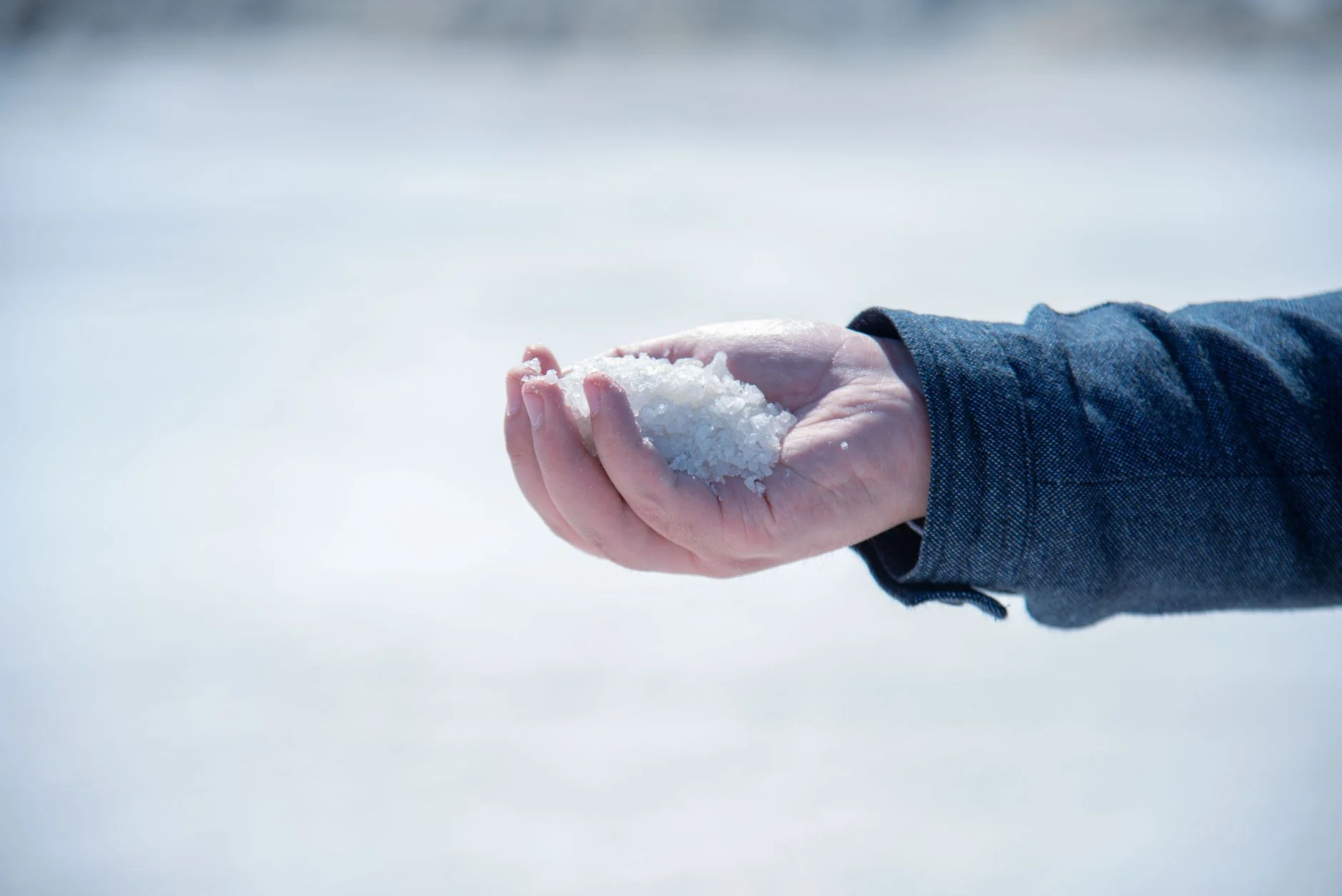
Unlike heavily processed table salt, which is stripped of trace elements during high-heat manufacturing, sea salt from the Mediterranean basin is typically harvested through solar evaporation of seawater. This traditional method preserves trace amounts of magnesium, potassium, and calcium. While these minerals exist in small quantities, they contribute to a distinct mouthfeel and a sharper initial salinity that allows home cooks to use slightly less overall volume to achieve the desired flavor profile.
The Science of Salinity and Flavor Perception
Salt does more than make food taste salty; it acts as a flavor amplifier. According to sensory science research published in food chemistry literature, sodium ions suppress bitterness receptors on the tongue while simultaneously enhancing the perception of sweetness and umami. This is why a pinch of flaky sea salt on a ripe tomato or a bitter green salad completely alters the flavor experience without tasting overtly salty.
In Mediterranean home kitchens, salt is rarely used in isolation. It is part of a broader culinary triad that includes extra virgin olive oil and fresh or dried herbs. To understand how fats carry these flavors, review The Ultimate Guide to Healthy Fats on Mediterranean Diet, which details how lipophilic flavor compounds dissolve in quality oils to coat the palate evenly.
Ingredient Profile: Mediterranean Sea Salt
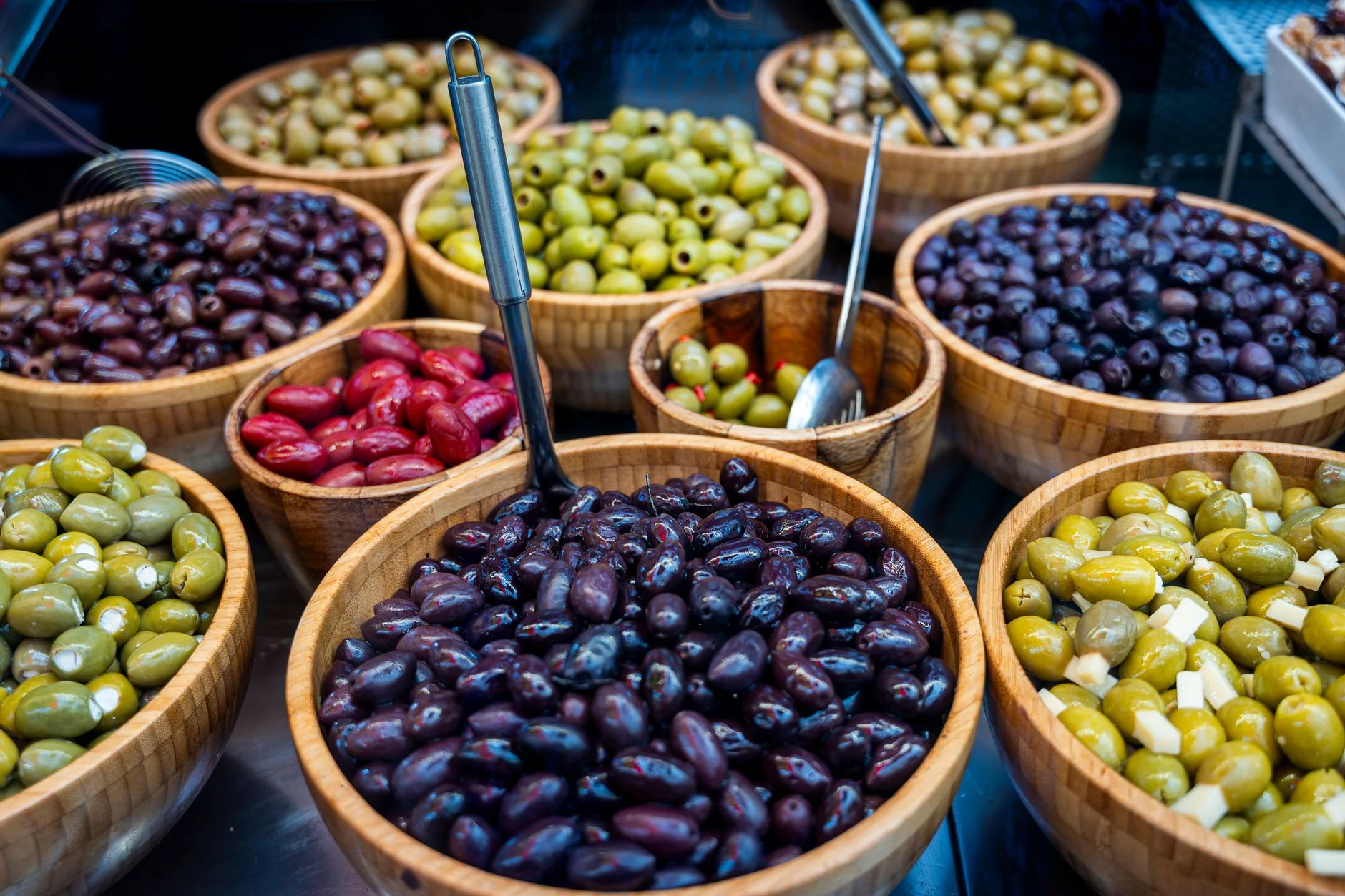
- What it is: Sodium chloride harvested from the Mediterranean Sea via natural solar evaporation basins.
- Nutritional Value: Primarily sodium chloride. Trace minerals (magnesium, calcium, potassium) are present in minor amounts, though not clinically significant for daily mineral intake.
- How to Choose: Look for coarse crystals or flaky finishing salts without anti-caking agents or chemical bleaches. Coarse salt works well for salt-crusting or grinders, while flaky crystals (like Maldon-style or coarse sea salt flakes) excel as a finishing touch.
- Storage: Store in a cool, dry place in a sealed glass or ceramic container to prevent moisture absorption and clumping.
- Preparation: No preparation required. Coarse crystals can be crushed manually using a mortar and pestle or a salt mill.
- How to Use in Meals: Use fine sea salt for everyday cooking and baking, and reserve flaky sea salt to top roasted vegetables, grilled fish, or fresh salads just before serving.
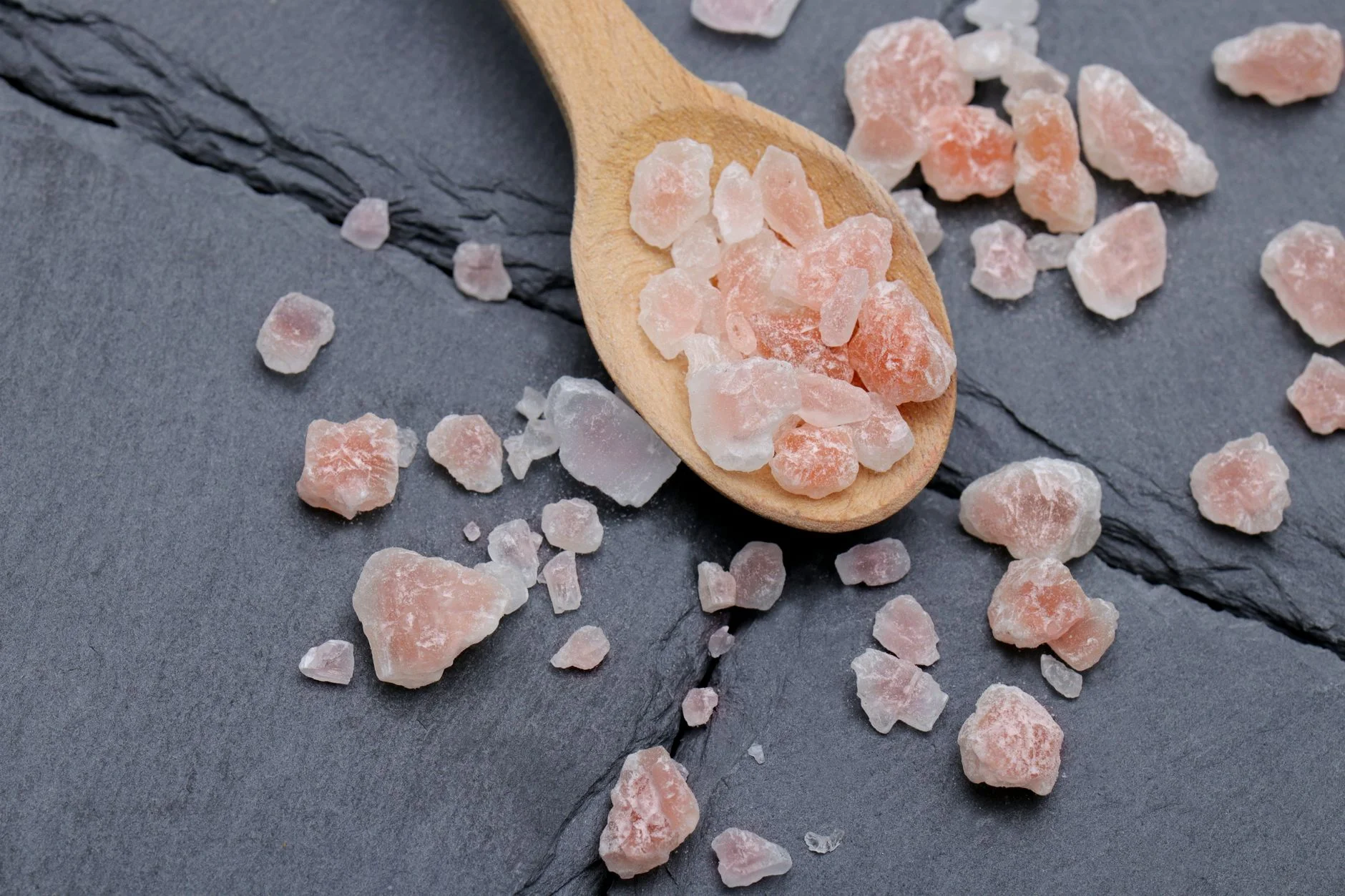
- Substitutes: Kosher salt (adjusting volume based on crystal size) or pink Himalayan salt.
Flavor Enhancers Beyond the Salt Cellar
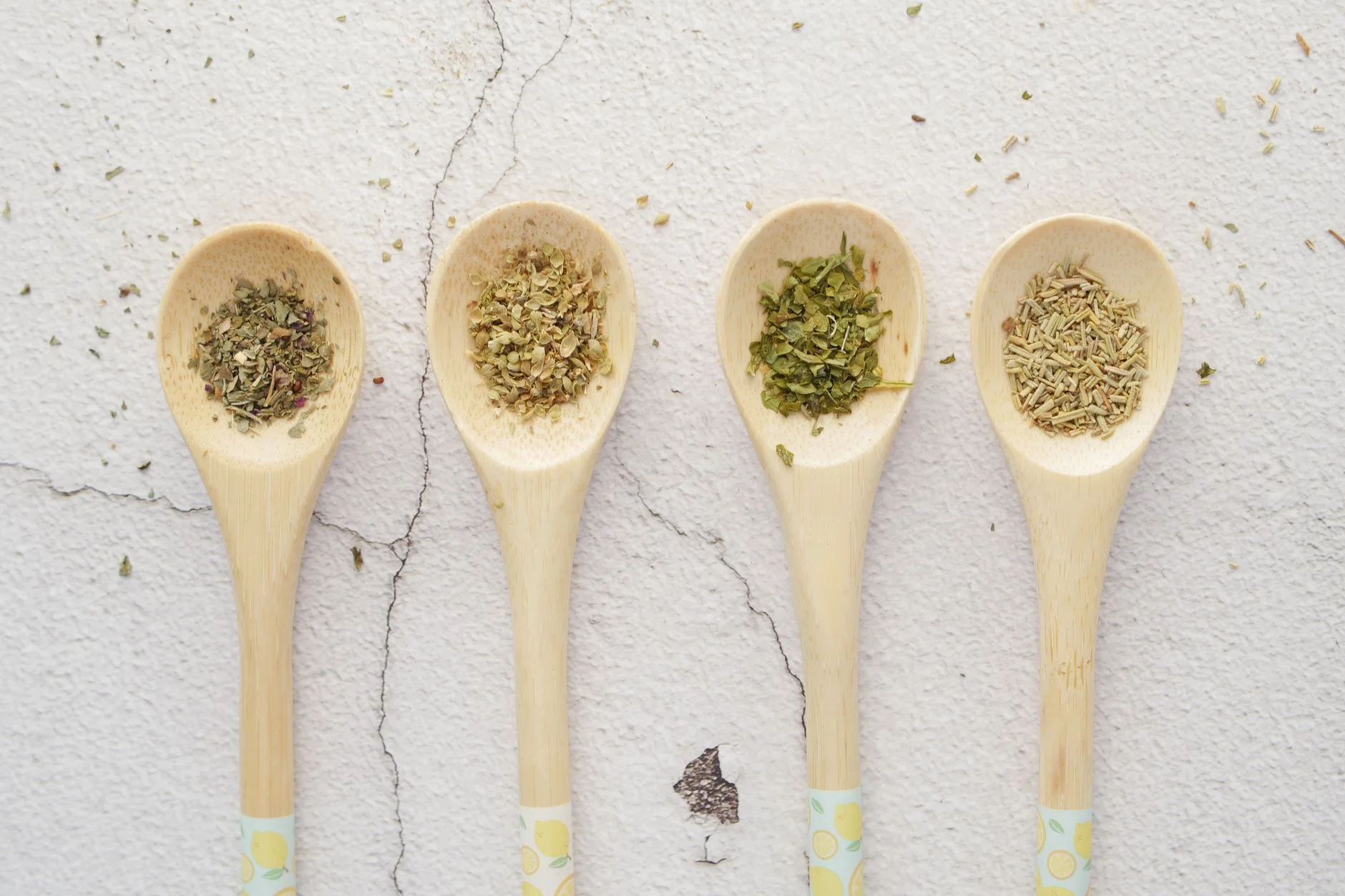
Relying solely on salt can lead to flat-tasting food. Mediterranean cooking relies heavily on botanical and acidic enhancers to build depth. Integrating fresh herbs is essential; you can learn more about selecting and storing them in The Ultimate Guide to Fresh Herbs in Mediterranean cooking.
Common natural flavor enhancers include:
- Acid: Lemon juice, red wine vinegar, and aged balsamic vinegar brighten heavy dishes and mimic the sensory impact of salt.
- Alliums: Garlic, shallots, and onions form the flavor base of countless Mediterranean soups, stews, and sautées.
- Aromatic Spices: Oregano, thyme, rosemary, fennel seed, and smoked paprika add complex volatile compounds that stimulate olfactory receptors.
When cooking under time constraints, home cooks often utilize shortcuts that preserve ingredient integrity. For practical strategies, reference 10 Quick Mediterranean Cooking Hacks for Busy Nights. Additionally, pairing your dishes with a vibrant side like the one found in Mediterranean Chickpea Salad: Recipe & Benefits provides an easy way to combine sea salt, olive oil, and fresh vegetables.
Daily Routine Tips for Mindful Seasoning

Mastering seasoning is a practical skill developed through routine kitchen habits:
- Salt in stages: Season foundational ingredients like onions and root vegetables early in the cooking process so the salt penetrates the cellular structure rather than just sitting on the surface.
- Finish with texture: Save flaky sea salt for the final plate. The crunch provides a distinct sensory contrast against soft grains or roasted vegetables.
- Balance with acid: If a dish tastes like it needs “more salt,” try adding a squeeze of fresh lemon juice first. Acid often brightens the flavor profile, reducing the total amount of sodium required.
- Select quality fats: A finishing drizzle of oil can carry aromatic compounds across the tongue. Explore various options in the Olive Oil Types and Uses: Complete Guide.
For individuals looking to align their dietary patterns with long-term observational studies on regional longevity, understanding the broader lifestyle context is helpful. The review Mediterranean Centenarians: The Ultimate Longevity Guide outlines how simple, whole-food preparation traditions support overall health outcomes.
Health Considerations and Guidelines

While unrefined sea salt contains trace minerals, health organizations emphasize that its primary component remains sodium chloride. The American Heart Association (AHA) recommends consuming no more than 2,300 milligrams of sodium per day, with an ideal limit of 1,500 mg per day for most adults. Exceeding recommended sodium intake is associated with an increased risk of elevated blood pressure over time, as noted by the American Heart Association.
Using coarse or flaky Mediterranean sea salt can help home cooks moderate intake because the larger surface area of the crystals delivers a more immediate burst of saltiness to the tastebuds, often resulting in less total sodium used per serving compared to fine table salt.
Frequently Asked Questions

What makes Mediterranean sea salt different from regular table salt?
Mediterranean sea salt is typically harvested through natural solar evaporation and is minimally processed, allowing it to retain trace minerals like magnesium and calcium. Regular table salt is heavily mined from underground deposits, refined to remove impurities, and often treated with anti-caking agents.
Can I substitute table salt for flaky sea salt in a recipe?
Yes, but measurements will differ. Because flaky sea salt has a larger crystal structure and more air space between flakes, a volumetric tablespoon of flaky salt contains significantly less sodium by weight than a tablespoon of fine table salt. Always measure by weight or adjust to taste.
Does sea salt contain less sodium than regular salt?
Chemically, all culinary salts are predominantly sodium chloride. Sea salt and table salt contain roughly the same amount of sodium by weight (around 40% by weight). However, coarser sea salt crystals can provide a stronger surface flavor, which may help some people use less overall.
How should I store coarse sea salt to prevent clumping?
Store coarse or flaky sea salt in an airtight ceramic, glass, or food-grade plastic container away from direct heat and humidity sources like the stove or dishwasher.
Conclusion
Incorporating Mediterranean sea salt and natural flavor enhancers into your cooking elevates everyday meals without requiring complicated techniques. By understanding how salt interacts with texture, acid, and fats, you can build balanced, flavorful dishes while keeping sodium use mindful and intentional.
مقال مرتبط: How to Stay Active Throughout Your Workday Without a Gym
مقال مرتبط: Why Eating a Rainbow Enhances Daily Vitality: A Guide
مقال مرتبط: How to Cook Farro, Quinoa & Bulgur Every Day