Why Eating a Rainbow Enhances Daily Vitality: A Guide
The Power of Colorful Plates: Why Eating a Rainbow Enhances Daily Vitality
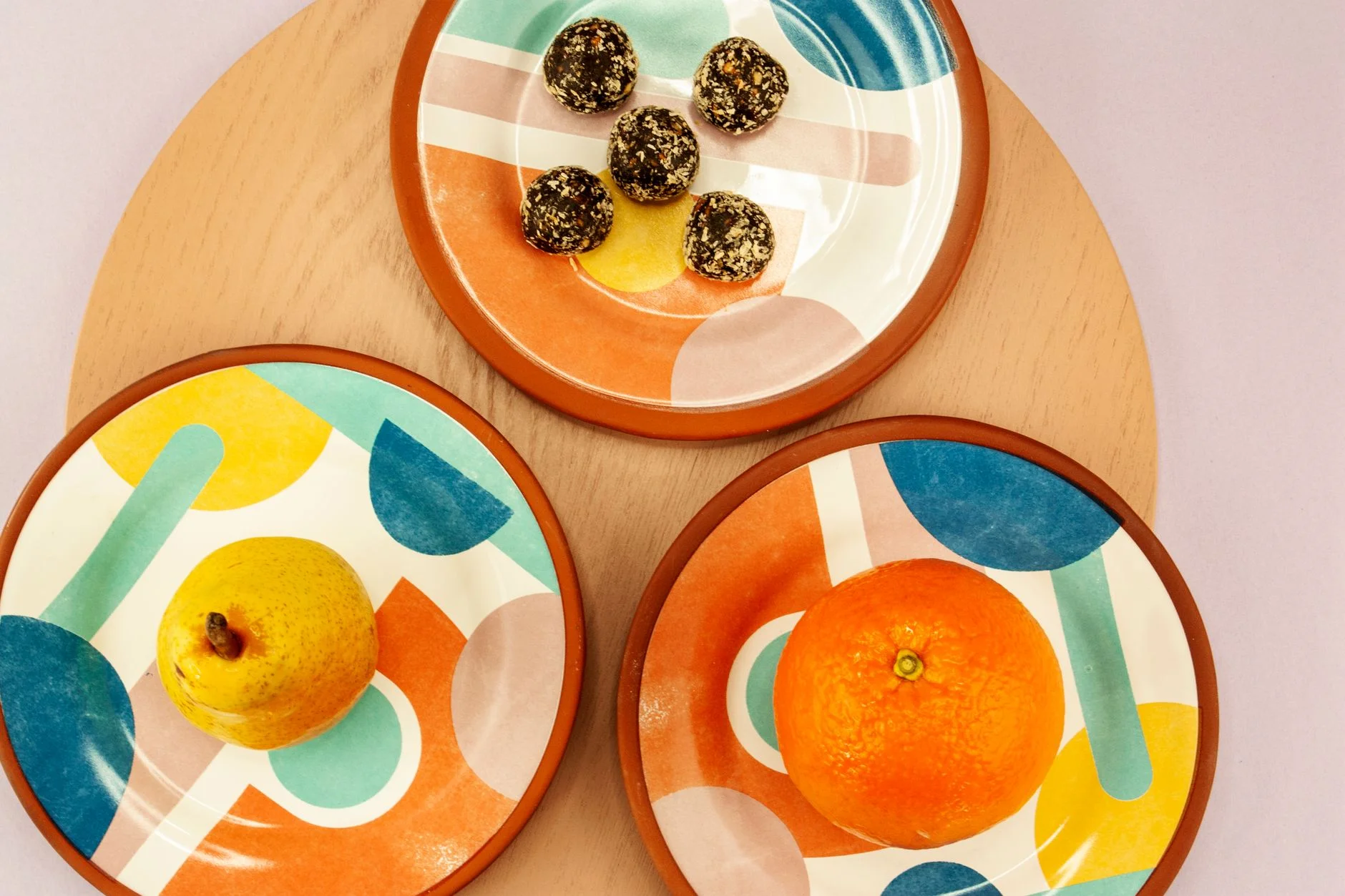
When you sit down for a meal, what catches your eye first? For many modern eaters, plates tend to lean heavily toward shades of beige, brown, and pale yellow—think roasted potatoes, white bread, plain chicken breast, and white rice. While these foods are comfortable and familiar, they often leave out a vast spectrum of plant compounds that contribute to both culinary pleasure and everyday wellness. Embracing a diverse array of hues on your plate is not just about visual appeal; it is a practical approach to building meals that are flavorful, satisfying, and deeply nourishing.
In this article
- The Power of Colorful Plates: Why Eating a Rainbow Enhances Daily Vitality
- Understanding Plant Pigments and Daily Vitality
- The Power of Colorful Plates: Practical Steps for the Home Cook
- Recipe: Mediterranean Roasted Vegetable and Herb Grain Bowl
- Nutrition Facts
- Frequently Asked Questions
- Conclusion
In the kitchen, building a colorful plate changes how you approach cooking. It invites you to step away from repetitive meal prep and engage with fresh produce in a dynamic way. As you explore the culinary traditions of the Mediterranean lifestyle, you quickly notice that meals are built around the garden—crisp greens, deep red tomatoes, sunny yellow peppers, and dark purple eggplants. This guide explores the practical mechanics of incorporating these diverse ingredients into your routine, examining what science tells us about plant pigments, and offering a step-by-step recipe to bring the concept straight to your table.
Understanding Plant Pigments and Daily Vitality

The colors you see in fruits and vegetables are not accidental; they are chemical compounds produced by plants to protect themselves from environmental stressors like ultraviolet radiation and pests. When humans consume these plants, research suggests that these same compounds—broadly known as phytochemicals or plant nutrients—may support various physiological functions. According to the Centers for Disease Control and Prevention, eating a variety of colorful fruits and vegetables is a reliable way to secure a broad spectrum of essential vitamins and minerals.
However, navigating nutrition requires a clear distinction between food and supplements. While supplement aisles are packed with isolated vitamins extracted from their natural matrix, whole foods offer a complex matrix of fiber, water, and interacting compounds. For instance, the lycopene found in a ripe red tomato interacts differently with the body when consumed alongside the healthy fats in olive oil—a staple concept you can explore further in our piece on Top 10 Superfoods for Energy and Vitality. Relying on pills rarely duplicates the culinary and metabolic benefits of eating an actual vegetable.
To put this into perspective, let’s break down the major color families and their common culinary roles:
- Red and Pink: Dominated by compounds like lycopene and anthocyanins. Think of juicy watermelons, crisp radishes, and sweet red bell peppers. They offer a sweet, often earthy flavor profile that shines both raw in salads and charred on the grill.
- Orange and Yellow: Rich in beta-carotene and other carotenoids. Carrots, winter squash, and sweet potatoes bring natural sweetness and a creamy texture when roasted, making them ideal partners for savory herbs.
- Green: Powered by chlorophyll, alongside lutein and zeaxanthin. From tender baby spinach to peppery arugula—similar to the choices highlighted in our guide on Why Bitter Greens Deserve a Spot on Your Daily Plate—green vegetables bring freshness, bitterness, and crunch that balance rich dishes.
- Blue and Purple: Containing high levels of anthocyanins, foods like blueberries, purple cabbage, and eggplant offer deep, sometimes astringent flavors that intensify when cooked down.
- White and Brown: Often overlooked because of their neutral color, garlic, onions, and cauliflowers are packed with allicin and other sulfur compounds that serve as the aromatic backbone of countless Mediterranean dishes.
When you purposefully combine these groups, your daily meals naturally align with the principles discussed in our article on Daily Fiber: Why 35g Daily Fiber Changes Everything, supporting digestive regularity alongside visual variety.
The Power of Colorful Plates: Practical Steps for the Home Cook
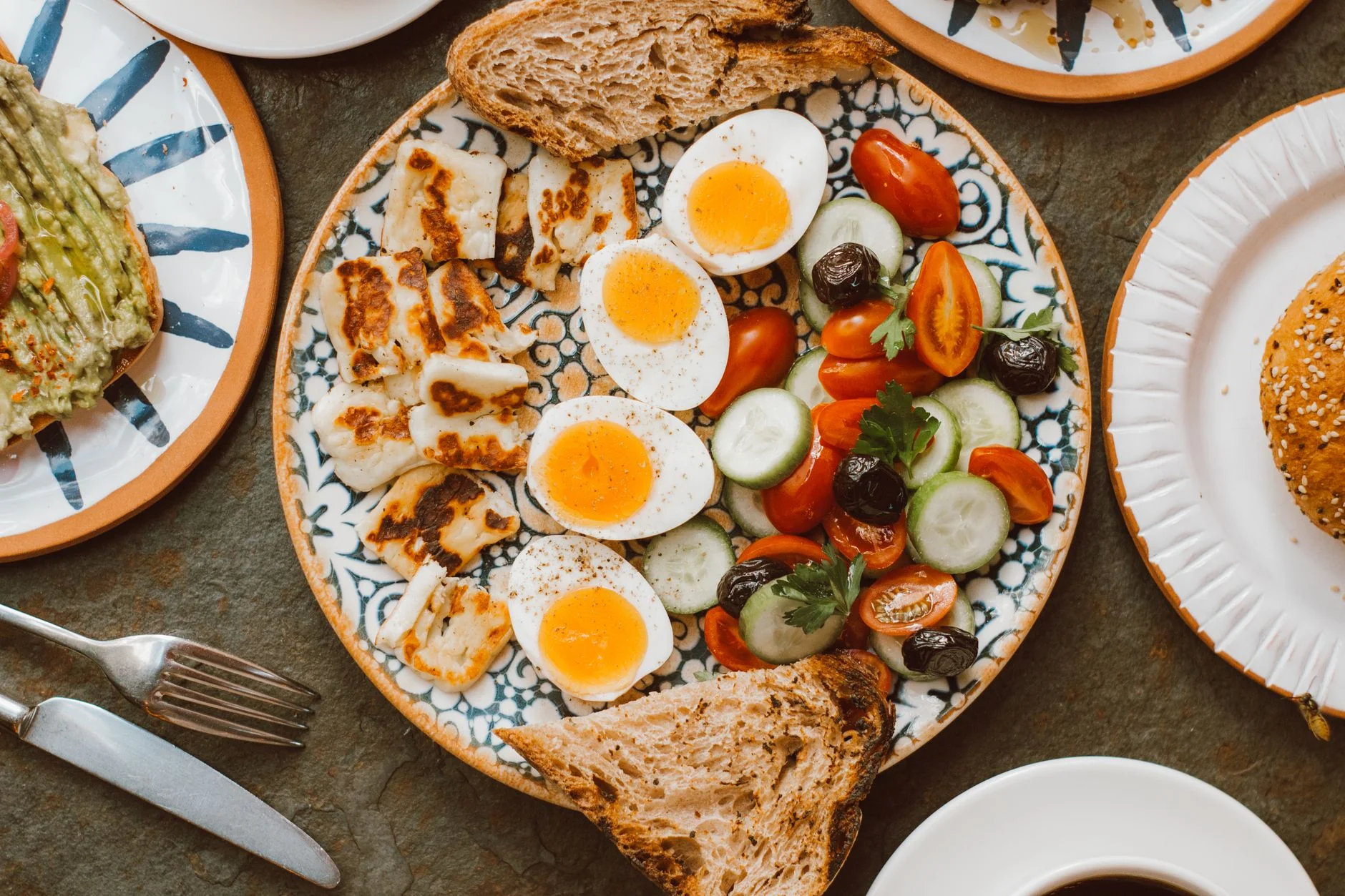
Shifting toward a more colorful way of eating does not require overhauling your entire pantry overnight. Instead, it starts with small, actionable kitchen habits. If you find yourself stocking the same handful of ingredients week after week, use these strategies to expand your culinary palette:
- Audit Your Shopping Basket: Before heading to the checkout, look down at your cart. If every item is brown, white, or pale green, challenge yourself to add at least two brightly colored items—such as a bunch of bright purple radishes or a golden bell pepper.
- Embrace the Power of Garnish: A bowl of lentil soup or a plate of roasted grains instantly transforms when topped with a handful of chopped fresh parsley, pomegranate arils, or a scattering of toasted seeds.
- Roast with Intention: Roasting caramelizes natural sugars in vegetables, enhancing flavors that appeal even to reluctant vegetable eaters. Toss mixed roots—carrots, beets, and parsnips—in olive oil, salt, and pepper for an effortless side dish.
- Layer Textures and Temperatures: Pair cold, crunchy shredded red cabbage with warm grains to make your meals sensorially engaging, a habit that aligns with the slower, more deliberate pacing found in Mindful Eating Habits from Crete for Daily Vitality.
Recipe: Mediterranean Roasted Vegetable and Herb Grain Bowl
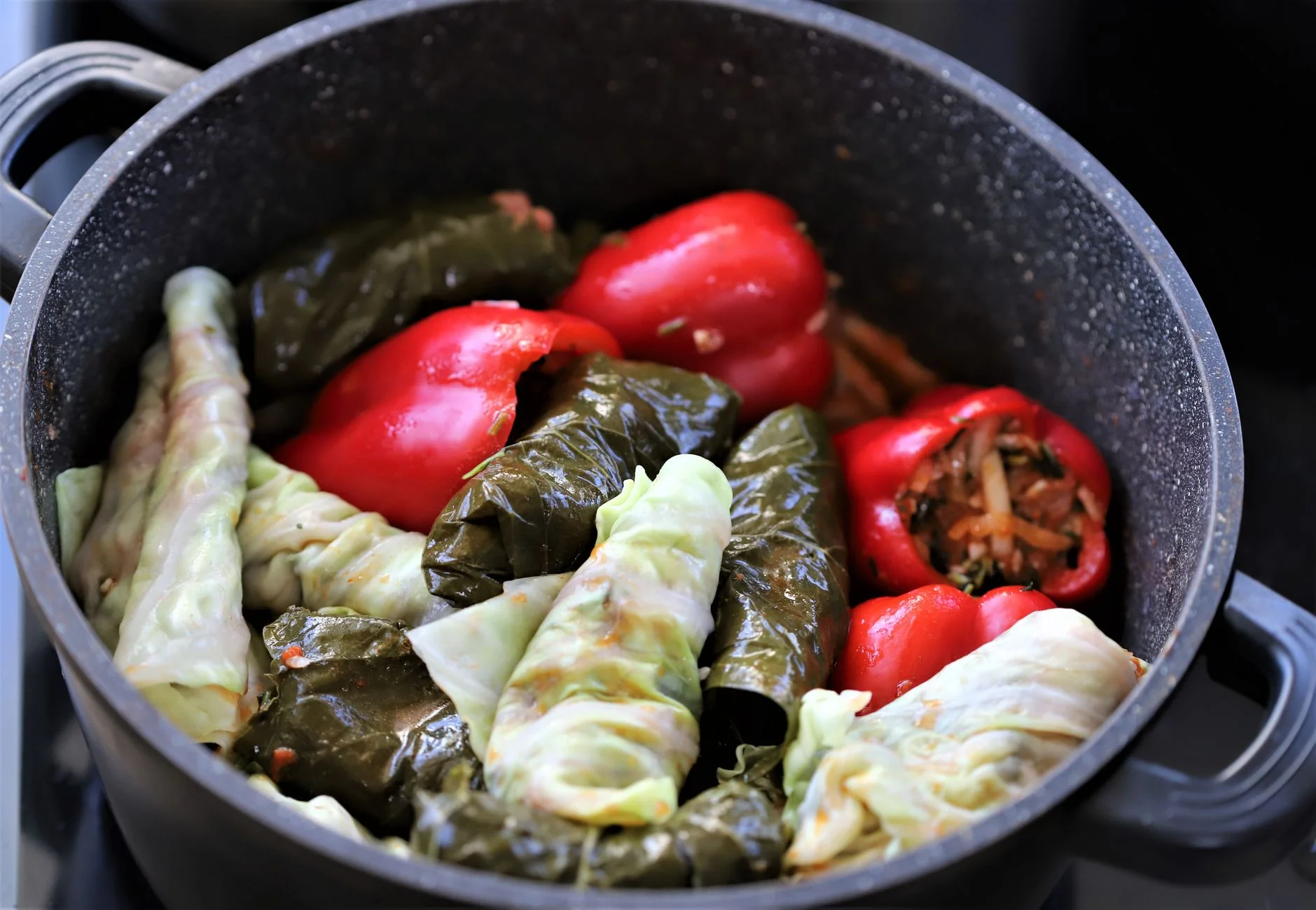
This vibrant grain bowl puts the concept of eating a rainbow directly onto your dinner table. It combines earthy grains, sweet roasted roots, crisp greens, and a savory finish. For a complete Mediterranean-style spread, consider serving it alongside a dollop of Creamy White Bean and Rosemary Dip: Why You Need It or finishing it with a small handful of chopped The Healing Power of Capers: Benefits & Quick Recipe for a bright, briny kick.
Ingredients
For the Grain Base and Roasted Vegetables:
- 1 cup uncooked farro or brown rice, rinsed
- 2 medium carrots, peeled and sliced into half-moons (orange)
- 1 medium red bell pepper, sliced into strips (red)
- 1 small head of purple or green broccoli, cut into florets (green/purple)
- 3 tablespoons extra-virgin olive oil, divided
- 1 teaspoon dried oregano
- ½ teaspoon kosher salt
- ¼ teaspoon freshly ground black pepper
For the Assembly and Dressing:
- 2 cups baby spinach or mixed bitter greens (green)
- ¼ cup kalamata olives, pitted and halved
- 2 tablespoons fresh lemon juice
- 1 clove garlic, minced
- 2 tablespoons crumbled feta cheese (optional)
Instructions
- Preheat your oven to 400°F (200°C). Line a large rimmed baking sheet with parchment paper for easy cleanup.
- Prepare the grains: In a medium saucepan, combine the rinsed farro or brown rice with 3 cups of water and a pinch of salt. Bring to a boil, then reduce heat to low, cover, and simmer for 25 to 30 minutes until tender. Drain any excess liquid and set aside.
- Arrange the carrots, red bell pepper strips, and broccoli florets on the prepared baking sheet. Drizzle with 2 tablespoons of extra-virgin olive oil, then sprinkle with the dried oregano, kosher salt, and black pepper. Toss with your hands until the vegetables are evenly coated.
- Roast the vegetables in the preheated oven for 20 to 25 minutes, tossing halfway through, until the edges are caramelized and fork-tender.
- While the vegetables roast, prepare the dressing: In a small bowl, whisk together the remaining 1 tablespoon of extra-virgin olive oil, fresh lemon juice, minced garlic, and a pinch of salt.
- Assemble the bowls: Divide the warm cooked grains among two to four serving bowls. Top each portion with a bed of fresh baby spinach, the warm roasted vegetables, and the halved olives.
- Drizzle the lemon-garlic dressing evenly over each bowl. Scatter the crumbled feta cheese on top if desired, and serve immediately.
Prep Time: 15 minutes
Cook Time: 30 minutes
Total Time: 45 minutes
Nutrition Facts
| Nutrient | Amount per Serving |
|---|---|
| Calories | 380 kcal |
| Total Fat | 14g |
| Saturated Fat | 2.5g |
| Sodium | 420mg |
| Total Carbohydrates | 54g |
| Dietary Fiber | 9g |
| Protein | 10g |
Frequently Asked Questions

Does cooking destroy the beneficial compounds in colorful vegetables?
Heat can alter certain nutrients while making others more bioavailable. For example, cooking tomatoes actually increases the availability of lycopene, while water-soluble vitamins like vitamin C can decrease slightly during prolonged boiling. Enjoying a mix of raw and gently cooked produce throughout the week offers the best of both approaches.
How can I get picky eaters to embrace a wider variety of colors?
Involve family members in the shopping and preparation process by letting them pick out one new colorful vegetable each week. Serving vegetables with familiar dips—such as hummus or a yogurt-based sauce—can also lower resistance and make trying new foods approachable.
Are frozen or canned colorful vegetables as nutritious as fresh?
Yes. Frozen fruits and vegetables are typically harvested at peak ripeness and flash-frozen within hours, locking in their nutritional profile. Canned options are also convenient, though it is helpful to look for low-sodium or rinsed varieties to manage salt intake.
Do I need to eat every color at every single meal?
Not at all. The goal is variety over the course of the week rather than perfection at every sitting. Aim to include at least two or three different colors on your plate during your main meals to build a sustainable, enjoyable habit over time.
Conclusion

The power of a colorful plate lies in its ability to transform everyday cooking from a chore into a creative culinary experience. By inviting a diverse spectrum of reds, yellows, greens, blues, and browns into your kitchen, you naturally enhance the flavor, texture, and nutritional depth of your meals. Grounded in the wholesome traditions of the Mediterranean lifestyle, eating a rainbow reminds us that simple, whole ingredients are the ultimate foundation for daily vitality.
Further reading from trusted sources
مقال مرتبط: How to Cook Farro, Quinoa & Bulgur Every Day