How to Use Fresh Herbs in Everyday Mediterranean Cooking
Fresh Herbs 101: Elevating Everyday Meals
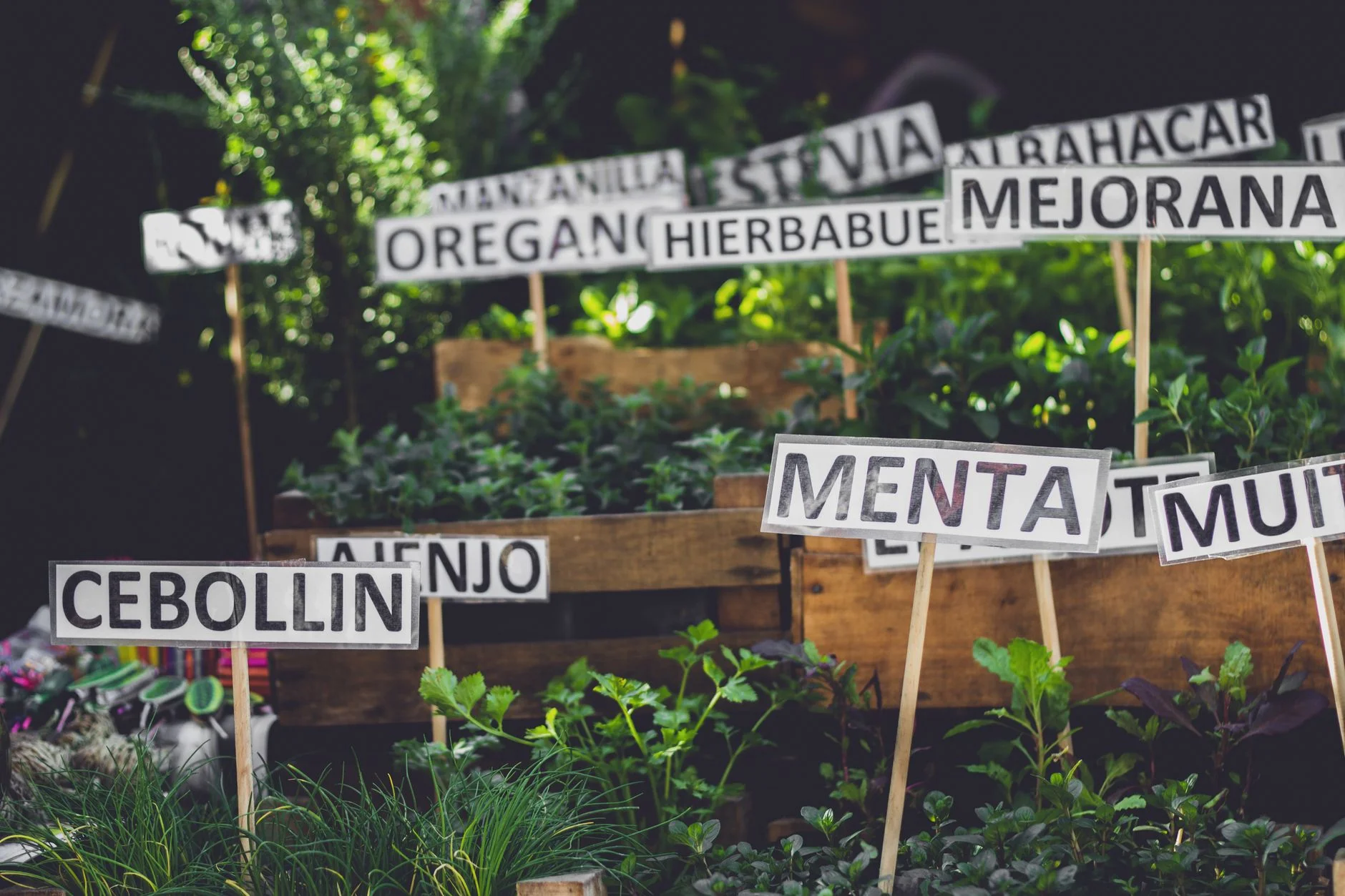
Welcome back to VitalityDish, your go-to destination for vibrant, wholesome living! Have you ever wondered why traditional Mediterranean dishes taste so impossibly bright and complex, even when they feature just a few simple ingredients? The secret isn’t hidden in complicated cooking techniques or heavy sauces; it lives right in the produce aisle and your backyard garden. Welcome to Fresh Herbs 101: Elevating Everyday Meals with Mint, Dill, and Oregano. Whether you are looking to revitalize your weekly meal prep or simply want to bring a burst of sunshine to your plate, mastering these three botanical powerhouses will completely transform your daily cooking routine.
In this article
Why Fresh Herbs Are the Heart of Healthy Cooking

When adopting a Mediterranean-inspired lifestyle, flavor and wellness go hand in hand. According to the World Health Organization, incorporating nutrient-dense, plant-rich foods into your daily routine supports overall well-being. Fresh herbs are packed with essential vitamins, minerals, and potent antioxidants. If you are looking to support your wellness goals without reaching for excess sodium or processed condiments, leafy aromatics are your best culinary allies. For a deeper dive into leafy greens and seasonings, you will love exploring The Ultimate Guide to Fresh Herbs in Mediterranean Diet cuisine, which details how ancient culinary traditions prioritize garden-fresh botanicals.
The Dynamic Trio: Mint, Dill, and Oregano
Each of these three culinary staples brings a unique personality to the kitchen:
- Mint: Cool, refreshing, and slightly sweet, mint awakens heavy dishes and adds a wonderful contrast to savory proteins and grains.
- Dill: Feathery, delicate, and grassy with a hint of anise, dill brings a clean, bright flavor profile that pairs magically with vegetables and seafood.
- Oregano: Earthy, robust, and slightly peppery, oregano delivers that unmistakable rustic warmth synonymous with classic coastal cooking.
Flavor Profiles and Nutritional Benefits

Beyond making your tastebuds sing, incorporating these culinary plants into your meals fits seamlessly into a heart-conscious lifestyle. Research highlighted by the American Heart Association emphasizes that reducing sodium intake by swapping salt for herbs and spices supports long-term cardiovascular wellness. To learn more about protecting your heart through smart nutritional choices, check out Cardiovascular System: Protect It With Olive Oil & Walnuts other wholesome Mediterranean staples.
To help you understand how these plants compare nutritionally, here is a quick breakdown of their key attributes per tablespoon:
| Herb | Primary Flavor Profile | Key Wellness Benefits | Best Culinary Pairings |
|---|---|---|---|
| Mint | Cool, Sweet, Refreshing | Supports digestion and adds antioxidants | Lamb, yogurt, berries, teas |
| Dill | Grassy, Anise-like, Bright | Source of Vitamin A and C | Cucumbers, fish, potatoes, dressings |
| Oregano | Earthy, Peppery, Robust | Rich in powerful plant compounds | Tomatoes, olive oil, roasted meats |
How to Implement Fresh Herbs in Your Daily Meals
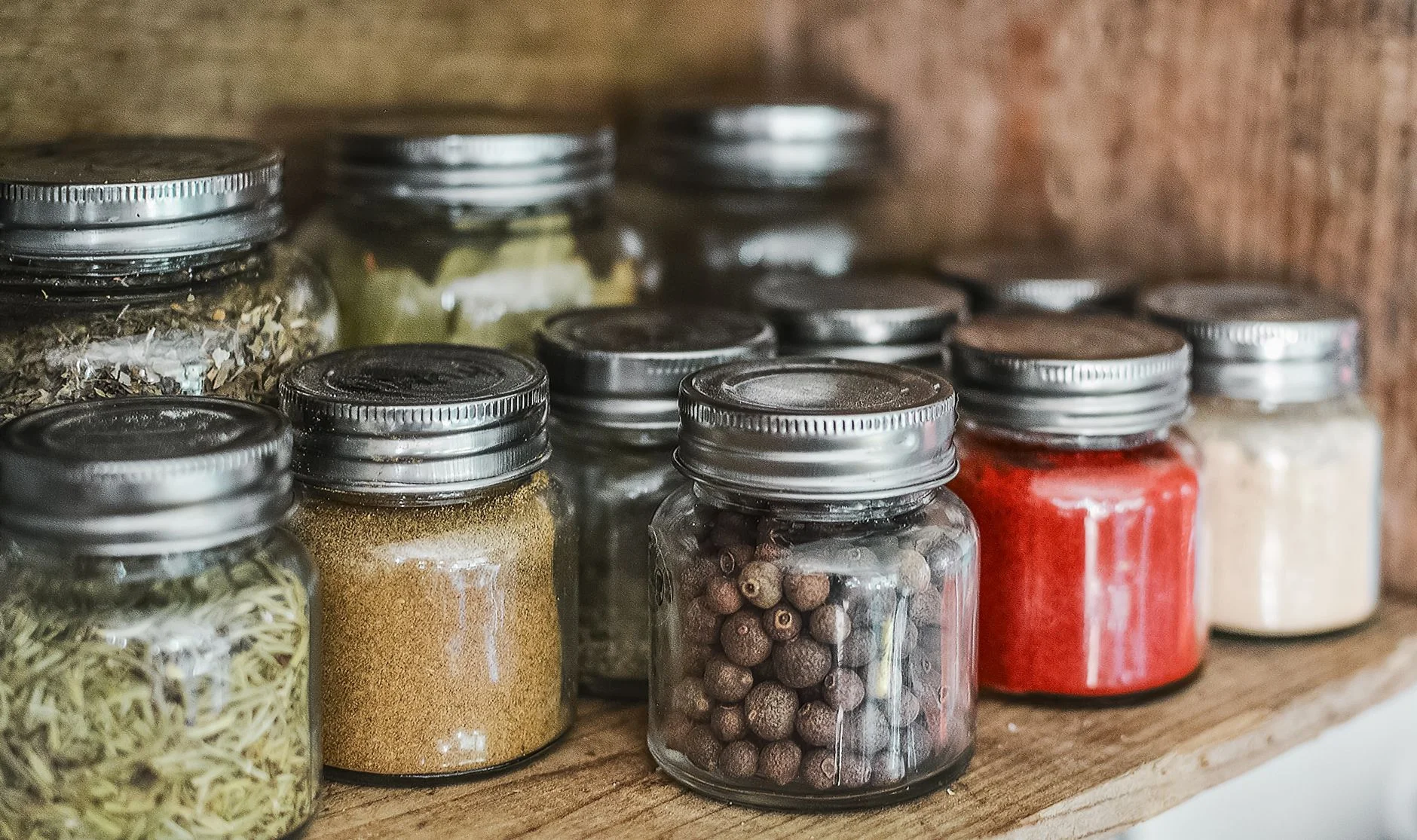
Integrating fresh botanicals into your routine doesn’t require culinary school training. Here are a few simple ways to put Fresh Herbs 101: Elevating Everyday Meals with Mint, Dill, and Oregano into practice tonight:
- Morning Kickstart: Toss a handful of chopped mint into your morning Greek yogurt bowl or smoothie alongside other vibrant ingredients highlighted in our Top 10 Superfoods for Energy and Vitality guide.
- Midday Refresh: Stir freshly snipped dill into cucumber salads, grain bowls, or homemade yogurt dips for lunch.
-
Evening Warmth: Drizzle your favorite extra-virgin olive oil over roasted vegetables and finish with a generous sprinkle of minced oregano. For guidance on choosing the right pantry staple for your cooking, consult our Olive Oil Types and Uses: Complete Guide.
Frequently Asked Questions

How do I store fresh herbs so they don’t wilt quickly?
Treat fresh herbs like cut flowers! Trim the bottom stems, place them in a jar with an inch of water, and cover loosely with a plastic bag in the refrigerator. Tender herbs like basil and mint can also be kept at room temperature out of direct sunlight.
Can I substitute dried herbs for fresh ones?
Yes, but with a ratio adjustment. Dried herbs are much more concentrated, so generally use one teaspoon of dried herbs for every one tablespoon of fresh herbs. However, for maximum brightness and flavor, fresh is always recommended!
Are these herbs easy to grow at home?
Extremely! Mint, dill, and oregano thrive in pots on a sunny windowsill or in a backyard garden, ensuring you have a fresh supply right at your fingertips whenever inspiration strikes.
Conclusion

Embracing the art of cooking with fresh botanicals is one of the easiest, most rewarding steps you can take toward a more vibrant culinary lifestyle. By mastering the distinct flavors of mint, dill, and oregano, you can effortlessly turn ordinary weeknight dinners into extraordinary Mediterranean-inspired feasts. Try adding just one of these herbs to your next meal and taste the difference!
Ready to explore more delicious ways to enhance your daily routine? Subscribe to the VitalityDish newsletter today for weekly recipes, ingredient guides, and wellness tips delivered straight to your inbox!
مقال مرتبط: Mediterranean Sea Salt: Why Your Healthy Meals Need It
مقال مرتبط: How to Stay Active Throughout Your Workday Without a Gym
مقال مرتبط: Why Eating a Rainbow Enhances Daily Vitality: A Guide
مقال مرتبط: How to Cook Farro, Quinoa & Bulgur Every Day
مقال مرتبط: How to Build a Morning Routine That Energizes Your Whole Day