The Ultimate Guide to Fresh Herbs in Mediterranean Diet
Fresh Herbs: Flavor & Antioxidants in Cooking
Welcome back to VitalityDish, your ultimate online destination for embracing a vibrant, wholesome, and profoundly flavorful Mediterranean lifestyle! If you have ever wondered why a simple plate of roasted vegetables or a humble bowl of soup tastes unimaginably delicious at a traditional coastal tavern compared to your home kitchen, the secret rarely lies in heavy sauces or complicated techniques. Instead, the magic ingredient is almost always a generous handful of freshly harvested greenery. Welcome to our comprehensive guide exploring The Power of Fresh Herbs: Boosting Flavor and Antioxidant Intake in Everyday Cooking. In the world of healthy living and clean eating, herbs are absolute unsung heroes. They pack an enormous nutritional punch into minuscule leaves, allowing you to dramatically cut down on sodium, refined sugars, and unhealthy fats without ever sacrificing a single ounce of rich, crave-able taste. Whether you are following The Mediterranean Cardioprotective Diet Explained or simply looking to revitalize your daily routine, understanding how to incorporate fresh botanicals into your meals will completely transform your culinary journey. Let us dive deep into the botanical wonders that can elevate your health, sharpen your palate, and bring joy back to your kitchen.
Understanding The Power of Fresh Herbs: Boosting Flavor and Antioxidant Intake in Everyday Cooking
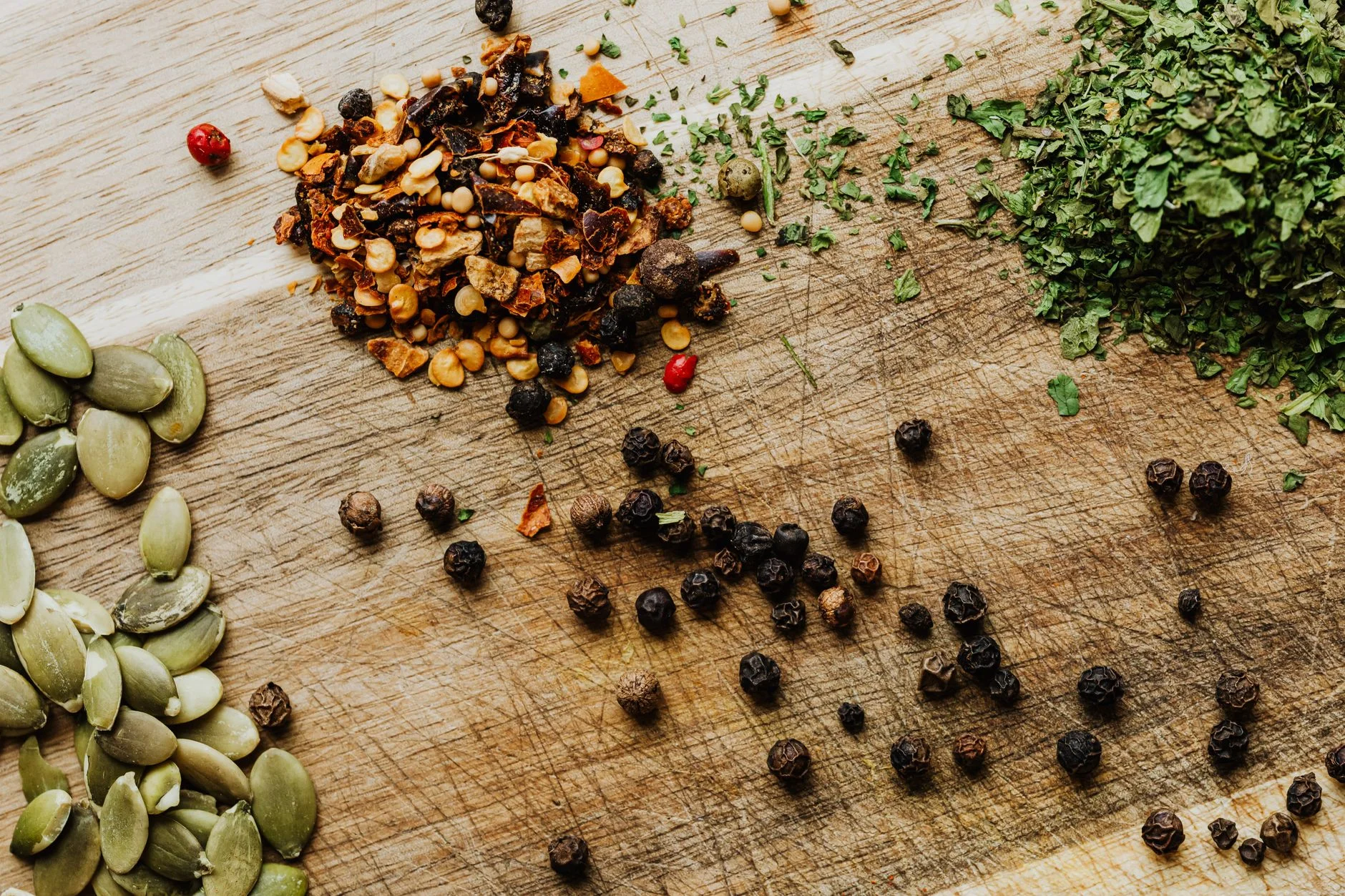
When most people think about antioxidants, their minds automatically drift toward colorful summer berries, dark chocolate, or earthy green teas. However, aromatic culinary plants actually boast some of the highest antioxidant concentrations found anywhere in the plant kingdom. Gram for gram, many common kitchen herbs outrank traditional fruits and vegetables in their capacity to neutralize free radicals and combat oxidative stress within the body. Embracing The Power of Fresh Herbs: Boosting Flavor and Antioxidant Intake in Everyday Cooking means recognizing that what appears to be a mere decorative garnish is actually a potent nutritional supplement grown straight from the earth. By weaving vibrant basil, pungent rosemary, crisp parsley, and earthy thyme into your daily recipes, you actively support your cellular health while indulging in breathtaking Mediterranean flavors.
Furthermore, transitioning to a herb-forward kitchen aligns seamlessly with principles found in Mediterranean Diet: The Secret to Sustained Weight Loss management and overall physical wellness. Because herbs provide intense, complex flavor profiles—ranging from peppery and citrusy to minty and warm—they naturally satisfy your taste buds, keeping cravings at bay. When paired with high-quality fats like those highlighted in Extra Virgin Olive Oil: The Ultimate Buyer’s Guide, fresh herbs become even more bioavailable, allowing your body to absorb fat-soluble vitamins and phytonutrients with maximum efficiency. It is a harmonious culinary dance where taste and health walk hand in hand.
The Remarkable Health Benefits of Culinary Greens
Before we step into the kitchen to chop and whisk, let us break down exactly what happens to your body when you make fresh herbs a staple of your diet. Beyond making your food taste incredible, these leafy powerhouses are dense with vitamins, minerals, and bioactive plant compounds.
Fighting Inflammation with Polyphenols
Chronic low-grade inflammation is often the root cause of many modern ailments, including heart disease, metabolic syndrome, and premature aging. Fortunately, fresh herbs are bursting with polyphenols and flavonoids—powerful chemical compounds that act as natural anti-inflammatory agents. Rosemary, for instance, contains rosmarinic acid, which has been shown to reduce allergic responses and nasal congestion. Thyme contains thymol, an antiseptic compound that supports respiratory health and immune function. By exploring The Ultimate Guide to Top 10 Superfoods for Energy, you will see how these dynamic green additions complement other vitality-boosting staples on your plate.
Heart Health and Cellular Protection
Maintaining a healthy cardiovascular system is a cornerstone of the traditional Mediterranean lifestyle. Herbs such as parsley and cilantro are exceptionally rich in vitamin K, vitamin C, and carotenoids like lutein and beta-carotene. These nutrients protect your blood vessels from oxidative damage and help maintain healthy blood pressure levels. When combined with healthy marine proteins, as detailed in Omega-3 Rich Seafoods: A Guide to Greek Heart Health, fresh herbs create an absolute fortress of nutritional defense for your heart.
Supporting Digestion and Gut Microbiome Diversity
Bitter and aromatic herbs have been utilized for millennia to stimulate digestive juices, ease bloating, and promote optimal gut function. Mint, basil, and oregano contain essential oils that relax the smooth muscles of the digestive tract, allowing food to pass smoothly while encouraging the growth of beneficial gut bacteria. A thriving microbiome is essential not only for digestion but also for robust immune function and mental clarity.
Essential Herbs for Every Mediterranean Kitchen
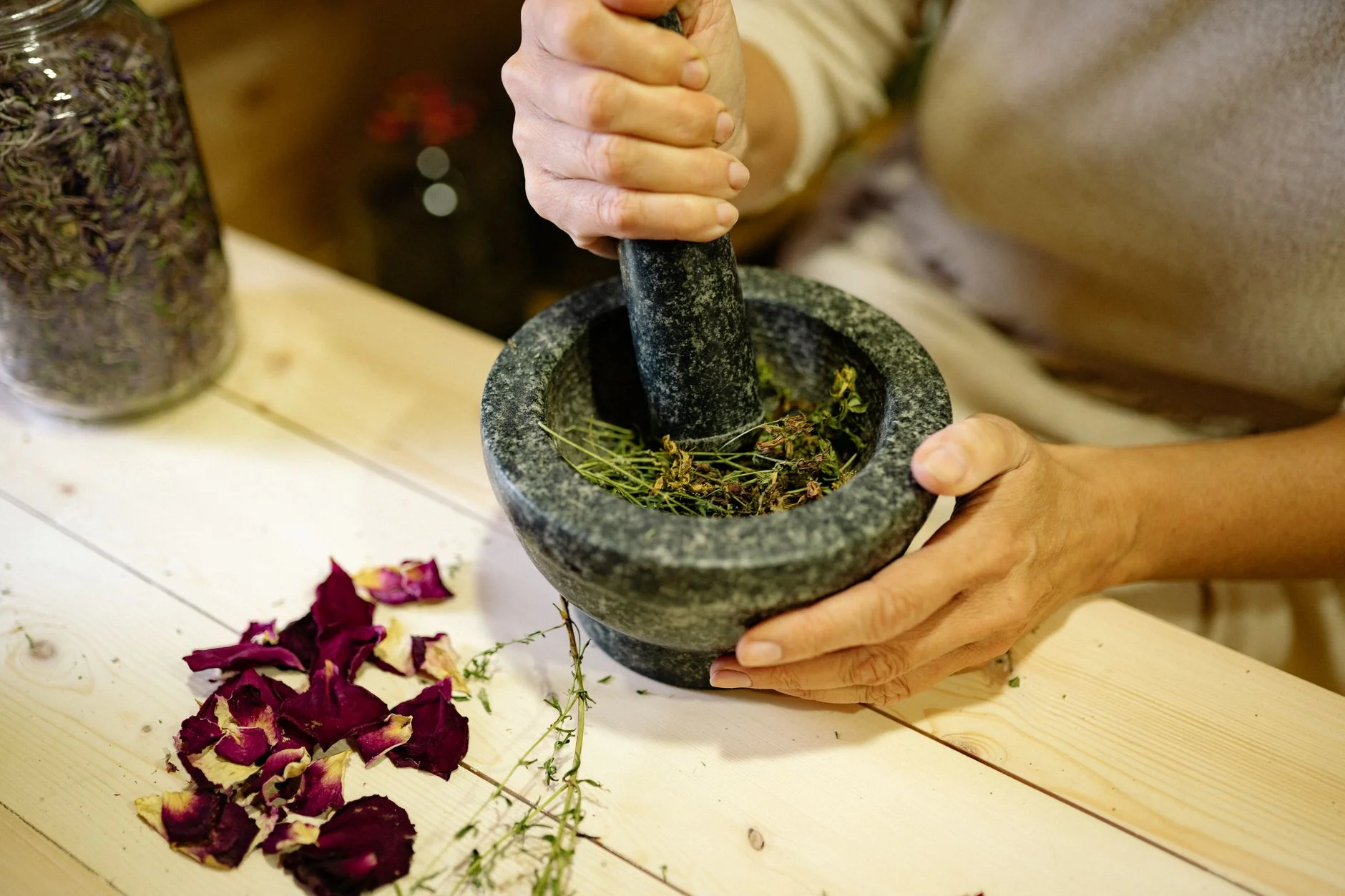
To harness The Power of Fresh Herbs: Boosting Flavor and Antioxidant Intake in Everyday Cooking, you do not need to cultivate an entire botanical garden on day one. Starting with a few versatile favorites will immediately elevate your home cooking:
- Basil: Sweet, peppery, and slightly warm. Essential for classic pestos, tomato salads, and finishing fresh pasta dishes.
- Parsley: Clean, bright, and slightly earthy. Far more than a garnish, flat-leaf parsley adds a refreshing lift to grain salads, fish, and roasted vegetables.
- Rosemary: Intensely fragrant with notes of pine and lemon. Perfect for roasting root vegetables, infusing olive oils, and seasoning poultry or lamb.
- Oregano: Robust, earthy, and slightly pungent. A non-negotiable component of Greek salads, marinades, and savory tomato sauces.
- Mint: Refreshing, cooling, and vibrant. Wonderful in dressings, herbal teas, lamb dishes, and refreshing grain salads.
For those looking to expand their culinary repertoire, you can easily incorporate these flavors into light bites like Quick & Easy Hummus three Ways: Ready in 30 Minutes, or enjoy them in a vibrant weekend dinner inspired by Lemon Herb Grilled Salmon: Health Benefits & Recipe. To learn how to balance these bold ingredients with other dietary elements, check out Mediterranean Diet Portion Control for Pasta & Wine alongside insights from Olive Oil Types and Uses: Complete Guide oil pairing.
Step-by-Step Recipe: Vibrant Herb-Packed Quinoa Tabbouleh

To put our botanical knowledge into practice, let us prepare a dish that celebrates fresh herbs in all their glory. This vibrant grain salad is inspired by The Ultimate Guide to Quinoa Tabbouleh Bowl: Healt and puts parsley and mint front and center, supported by nutrient-dense quinoa, crisp vegetables, and zesty lemon-olive oil dressing.
Ingredients
- 1 cup organic quinoa, rinsed and cooked according to package instructions
- 3 cups finely chopped fresh flat-leaf parsley (packed tightly)
- 1 cup finely chopped fresh mint leaves
- 3 medium ripe Roma tomatoes, finely diced
- 1 English cucumber, finely diced
- 4 green onions (scallions), thinly sliced
- 1/4 cup extra virgin olive oil
- Juice of 2 large fresh lemons
- 1 clove garlic, minced
- Sea salt and freshly cracked black pepper to taste
Instructions
- Prepare the Quinoa: Cook the quinoa in water or low-sodium vegetable broth until fluffy. Once cooked, spread it out onto a large baking sheet to cool completely to room temperature. This prevents the warm grain from wilting our delicate herbs.
- Chop the Greens: Wash your parsley and mint thoroughly and pat them completely dry with clean kitchen towels. Using a sharp chef’s knife, finely chop the herbs. Avoid using a food processor, as the blades can bruise the leaves and turn them mushy rather than keeping them crisp and vibrant.
- Dice the Vegetables: Finely dice the tomatoes and cucumber. If your tomatoes are very watery, gently squeeze out excess seeds before dicing to keep your salad crisp and fresh.
- Whisk the Dressing: In a small glass bowl or measuring cup, whisk together the extra virgin olive oil, freshly squeezed lemon juice, minced garlic, sea salt, and black pepper until fully emulsified.
- Combine and Toss: In a large mixing bowl, combine the cooled quinoa, chopped parsley, mint, diced tomatoes, cucumber, and green onions. Pour the bright lemon-garlic dressing over the top.
- Marinate and Serve: Toss everything gently until well combined. Allow the salad to sit at room temperature for 15 to 20 minutes before serving so the flavors meld together harmoniously. Enjoy fresh or store in an airtight container in the refrigerator for up to three days.
Nutrition Facts
Below is the nutritional breakdown for one generous serving of our Herb-Packed Quinoa Tabbouleh (based on six total servings):
| Nutrient | Amount per Serving | % Daily Value* |
|---|---|---|
| Calories | 210 kcal | 10% |
| Total Fat | 10.5 g | 16% |
| Saturated Fat | 1.5 g | 8% |
| Sodium | 180 mg | 8% |
| Total Carbohydrates | 25.4 g | 9% |
| Dietary Fiber | 5.2 g | 21% |
| Sugars | 3.8 g | – |
| Protein | 5.1 g | 10% |
| Vitamin C | 45 mg | 75% |
| Vitamin K | 120 mcg | 100% |
*Percent Daily Values are based on a 2,000 calorie diet. Your daily values may vary depending on your individual calorie needs.
Frequently Asked Questions
How should I store fresh herbs to keep them from wilting quickly?
To maximize the shelf life of your fresh herbs, treat them like fresh cut flowers. Trim the very bottom stems off herbs like parsley, cilantro, and mint, and place them upright in a glass containing an inch of fresh water. Cover the top loosely with a plastic produce bag and store them in the refrigerator. For woody herbs like rosemary, thyme, and oregano, wrap them gently in a slightly damp paper towel, place them inside a breathable container or ziplock bag, and store them in your refrigerator’s crisper drawer.
Can I substitute dried herbs for fresh herbs in Mediterranean recipes?
While dried herbs certainly have a place in long-simmering stews and winter braises, they cannot match the vibrant flavor profile or antioxidant payload of fresh greens. If a recipe calls for fresh herbs and you must substitute dried, a general rule of thumb is to use one-third the amount, since dried herbs are much more concentrated in flavor. However, for fresh salads, light dressings, and garnishes, fresh herbs are always irreplaceable.
Are there any specific herbs that help with digestion or bloating?
Yes, several herbs are celebrated for their carminative properties—meaning they help prevent or relieve intestinal gas and bloating. Peppermint, basil, and rosemary are exceptional choices. Sipping on a warm infusion of fresh peppermint leaves after a heavy meal relaxes the gastrointestinal tract and promotes smooth, comfortable digestion.
How can I start growing my own fresh herbs at home easily?
Growing your own herbs is an incredibly rewarding and budget-friendly way to ensure a constant supply of fresh greens. Begin with hardy varieties that thrive in containers on a sunny windowsill, such as mint, basil, chives, and thyme. Ensure your pots have adequate drainage holes, use a well-draining organic potting mix, and water them whenever the top inch of soil feels dry to the touch.
Conclusion
Embracing the rich traditions of the Mediterranean lifestyle is all about celebrating whole, unprocessed ingredients that nourish both the body and the soul. By fully appreciating The Power of Fresh Herbs: Boosting Flavor and Antioxidant Intake in Everyday Cooking, you unlock a remarkable culinary tool that elevates everyday meals into extraordinary dining experiences. From fighting inflammation and protecting heart health to adding vibrant color and explosive flavor to your dinner table, fresh herbs prove that the best medicine and the best food truly come straight from nature. We invite you to experiment with new leafy greens, try out our vibrant quinoa tabbouleh recipe, and let vitality flourish in your kitchen every single day!