Daily Fiber: Why 35g Daily Fiber Changes Everything
Fiber Revolution: Why 35g Daily Fiber Changes Everything
Welcome back to VitalityDish, your ultimate destination for embracing a thriving Mediterranean lifestyle. If you have been feeling sluggish, struggling with digestion, or looking for that missing puzzle piece in your wellness journey, it is time to talk about a major shift. Enter the Fiber Revolution: Why 35g Daily Fiber Changes Everything. While most people barely scrape by with 15 grams of daily fiber, bumping that target up to 35 grams can completely transform your health. Rooted in the traditional Mediterranean diet, which is naturally rich in legumes, whole grains, and fresh vegetables, hitting this higher fiber milestone is the secret to unlocking boundless energy, longevity, and optimal gut health.
What is Dietary Fiber and Why 35g?
Dietary fiber is the indigestible part of plant foods that passes through your digestive tract relatively intact. Unlike proteins and fats, your body doesn’t break fiber down for fuel. Instead, it works wonders along the way. While the standard recommended daily intake hovers around 25 grams for women and 38 grams for men, aiming for a consistent 35 grams sits in the sweet spot for maximum metabolic and microbiome health. To understand how plant-based eating supports this, check out our guide on Mediterranean Plant Protein Combinations for Vitality vitality.
When you fully embrace the Fiber Revolution: Why 35g Daily Fiber Changes Everything, you aren’t just aiding digestion; you are feeding your beneficial gut bacteria, balancing your blood sugar, and protecting your heart. It acts as an internal sweep, ensuring your body functions at its absolute peak.
Nutritional Profile of High-Fiber Mediterranean Foods
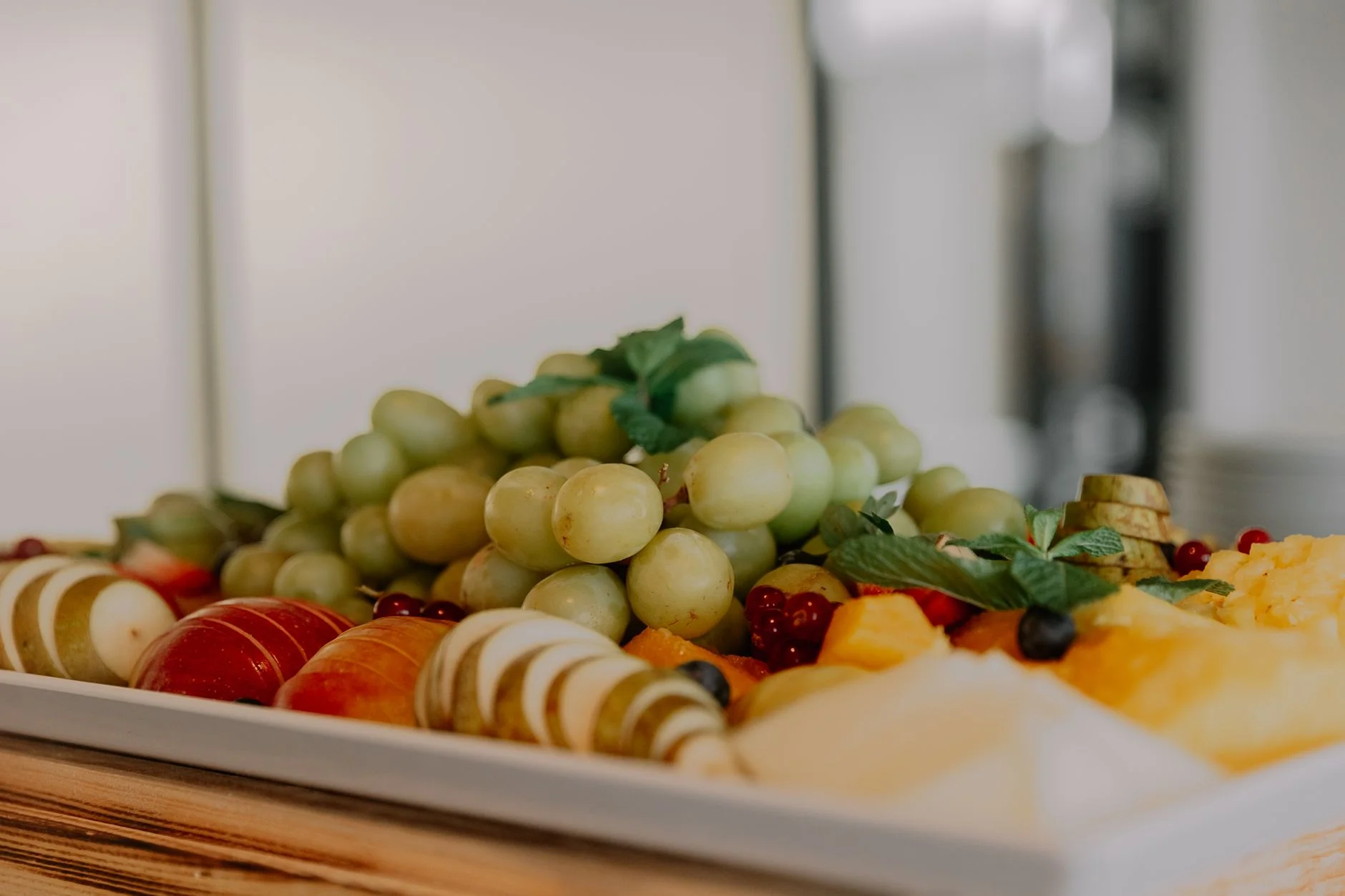
Fiber comes in two main forms: soluble (which dissolves in water to form a gel-like substance) and insoluble (which adds bulk to your stool). The Mediterranean diet is a powerhouse of both. Here is a breakdown of what a high-fiber nutritional profile looks like per 100-gram serving of popular staple ingredients:
| Food Item | Calories | Total Fiber | Soluble Fiber | Insoluble Fiber |
|---|---|---|---|---|
| Lentils (Cooked) | 116 kcal | 7.9 g | 1.1 g | 6.8 g |
| Chickpeas (Cooked) | 164 kcal | 7.6 g | 2.0 g | 5.6 g |
| Chia Seeds | 486 kcal | 34.4 g | 5.0 g | 29.4 g |
| Raspberries | 52 kcal | 6.5 g | 0.8 g | 5.7 g |
| Almonds | 579 kcal | 12.5 g | 2.9 g | 9.6 g |
Health Benefits of Reaching 35g Daily
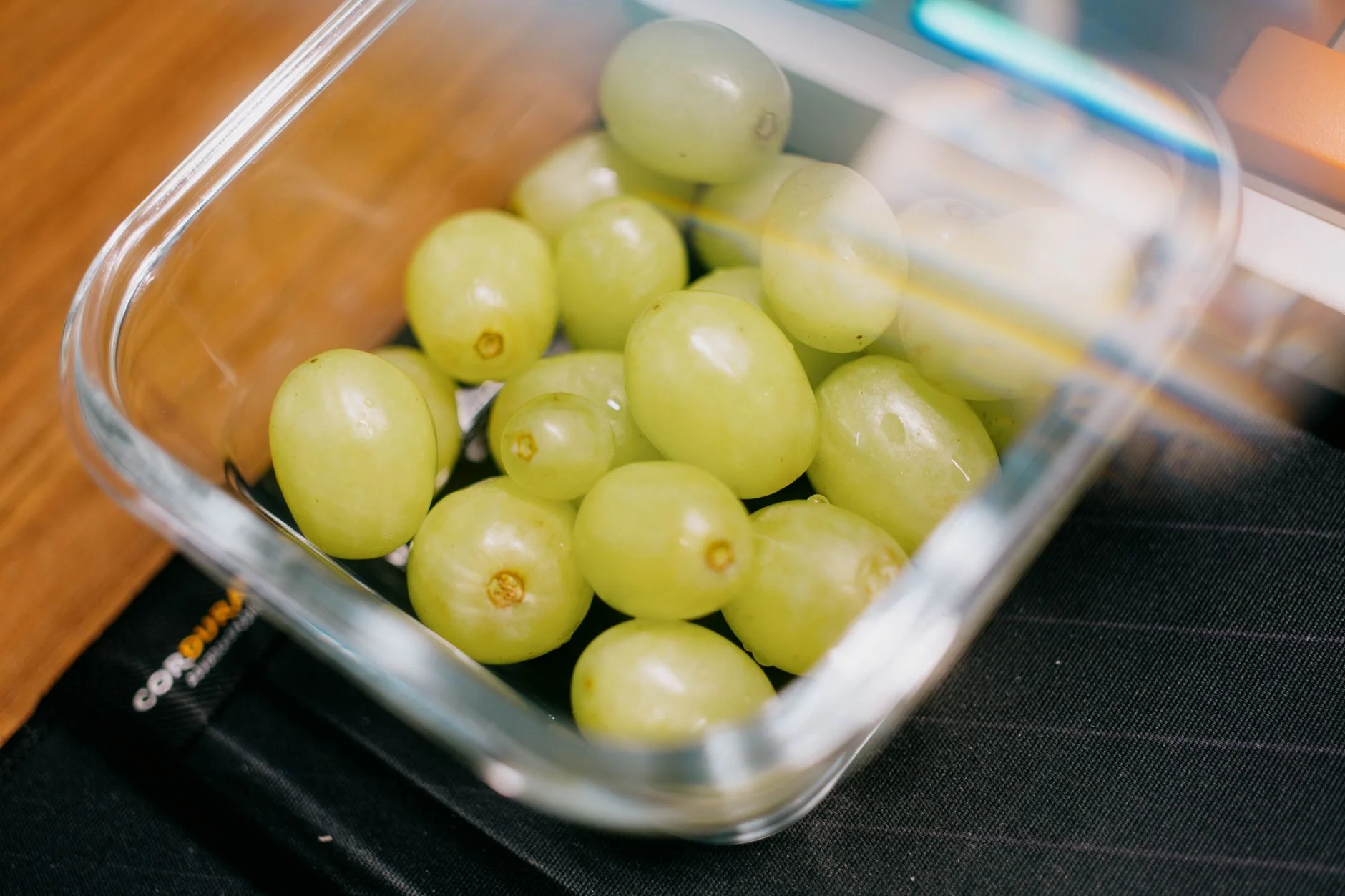
Why make the push for 35 grams? The benefits extend far beyond regular bowel movements. First, a high-fiber intake promotes a diverse microbiome. When your gut bacteria ferment soluble fiber, they produce short-chain fatty acids like butyrate, which reduce systemic inflammation. Speaking of reducing inflammation, you can pair your fiber intake with Anti-Inflammatory Spices: Your Mediterranean Secrett weapons for an unbeatable health shield.
Furthermore, fiber slows down the absorption of sugar, preventing insulin spikes and keeping your energy levels stable throughout the day. It also binds to cholesterol, helping to clear it from your body and supporting long-term cardiovascular wellness. In fact, many Mediterranean Centenarians: The Ultimate Longevity Guide secrets attribute their vibrant, long lives to plant-heavy, fiber-dense diets.
How to Use Fiber-Rich Ingredients Daily
Ramping up your intake to 35 grams doesn’t mean chewing on cardboard. It is all about smart, delicious culinary swaps. Toss a handful of chia seeds or raspberries into your morning yogurt, swap refined white pasta for whole-grain or legume-based alternatives, and snack on raw almonds or crunchy vegetables dipped in hummus.
As you incorporate these foods, don’t forget to cook with healthy fats that help absorb fat-soluble nutrients. Learn more about choosing the best fats in our article on Extra Virgin Olive Oil vs Avocado Oil Science. Remember to increase your water intake simultaneously so the fiber can move smoothly through your digestive tract!
Storage Tips for Maximum Freshness

To keep your high-fiber pantry staples fresh and nutrient-dense, follow these simple storage rules:
- Legumes and Whole Grains: Store in airtight glass containers in a cool, dark pantry to keep moisture and pests away.
- Chia and Flax Seeds: Keep them in the refrigerator or freezer once opened to prevent the delicate oils from going rancid.
- Fresh Berries and Greens: Do not wash them until you are ready to eat. Store them in breathable containers lined with a paper towel to absorb excess moisture.
Simple Mediterranean High-Fiber Recipes
1. Morning Vitality Chia & Raspberry Bowl
Combine 3 tablespoons of chia seeds with 1 cup of almond milk and a dash of cinnamon. Let it sit overnight in the fridge. In the morning, top with a generous cup of fresh raspberries and a drizzle of honey. This single meal provides over 15 grams of fiber to kickstart your day!
2. Lemon-Herb Lentil & Chickpea Salad
Toss 1 cup of cooked lentils and 1 cup of cooked chickpeas with diced cucumbers, cherry tomatoes, fresh parsley, and crumbled feta cheese. Dress with extra virgin olive oil, fresh lemon juice, sea salt, and black pepper. Enjoy this hearty lunch for a massive fiber and plant-protein boost.
Frequently Asked Questions
Can I jump straight to 35g of fiber per day?
It is best to increase your fiber intake gradually over the course of 2 to 3 weeks. Jumping straight to 35 grams overnight can cause bloating, gas, and mild cramping as your digestive system adjusts. Drink plenty of water along the way!
Are soluble and insoluble fibers equally important?
Yes! Soluble fiber helps regulate blood sugar and cholesterol, while insoluble fiber adds bulk to stool and keeps your digestive tract moving smoothly. Eating a colorful variety of plant foods ensures you get a healthy balance of both.
Does cooking destroy the fiber in vegetables and grains?
No, cooking generally does not destroy dietary fiber. While cooking might soften the plant cell walls, the total fiber content remains largely the same, making cooked legumes and veggies just as beneficial as raw ones.