Anti-Inflammatory Spices: Your Mediterranean Secret
Mediterranean Healing Spices
Welcome back to VitalityDish, your go-to source for vibrant, wholesome living! If your spice rack is currently gathering dust, it is time to look at it through a fresh lens. When exploring **Anti-Inflammatory Spices: The Mediterranean Kitchen Medicine Cabinet**, you unlock a treasure trove of culinary wellness that goes far beyond simple flavor enhancement. Embracing these healing ingredients is a cornerstone of the Sustainable Weight Management: The Mediterranean Way approach to vibrant health.
Last updated: September 30, 2026.
In this article
- Mediterranean Healing Spices
- The Power of Anti-Inflammatory Spices: The Mediterranean Kitchen Medicine
- Your Next Step to Vitality
- Daily Kitchen Rituals: How to Infuse Anti-Inflammatory Spices Into Every Meal
- Sourcing, Storing, and Maximizing Potency for Optimal Wellness
- Frequently Asked Questions About Mediterranean Spices
The Power of Anti-Inflammatory Spices: The Mediterranean Kitchen Medicine Cabinet
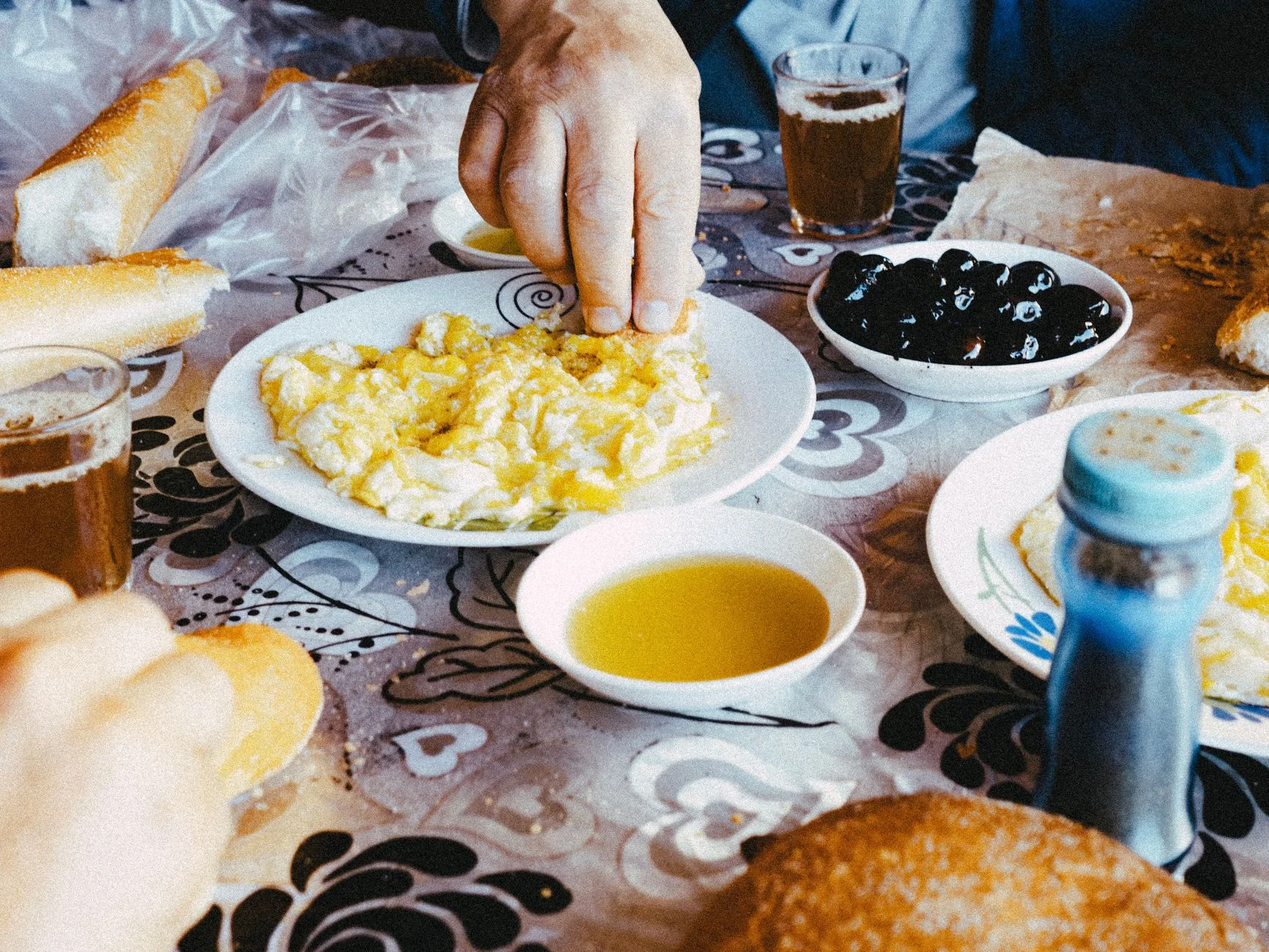
Today’s healthy living tip is simple: enrich your daily meals with powerful healing botanicals. Chronic inflammation is the root cause of many modern ailments, but traditional Mediterranean cooking offers a delicious, natural antidote right in your pantry. By incorporating antioxidant-rich roots and seeds, you support your body’s natural defenses while enjoying incredible culinary depth.
Why It Works
Herbs and spices like turmeric, oregano, and rosemary are packed with bioactive compounds that neutralize free radicals and suppress inflammatory pathways at a cellular level. Much like practicing Mindful Eating Lessons from the Greek Taverna, using these flavor enhancers allows you to connect deeply with your food while reaping serious nutritional rewards. You can even combine them with principles from Metabolic Flexibility: Fasting & Mediterranean Diet to optimize your overall cellular health and vitality.
How to Implement
Transforming your daily routine with anti-inflammatory spices is surprisingly easy. Try tossing your roasted vegetables in a blend of turmeric and black pepper, or stir a pinch of oregano into your morning olive oil dressing. To help you get started, here is a quick look at the top healing pantry staples:
| Spice | Primary Active Compound | Key Health Benefit |
|---|---|---|
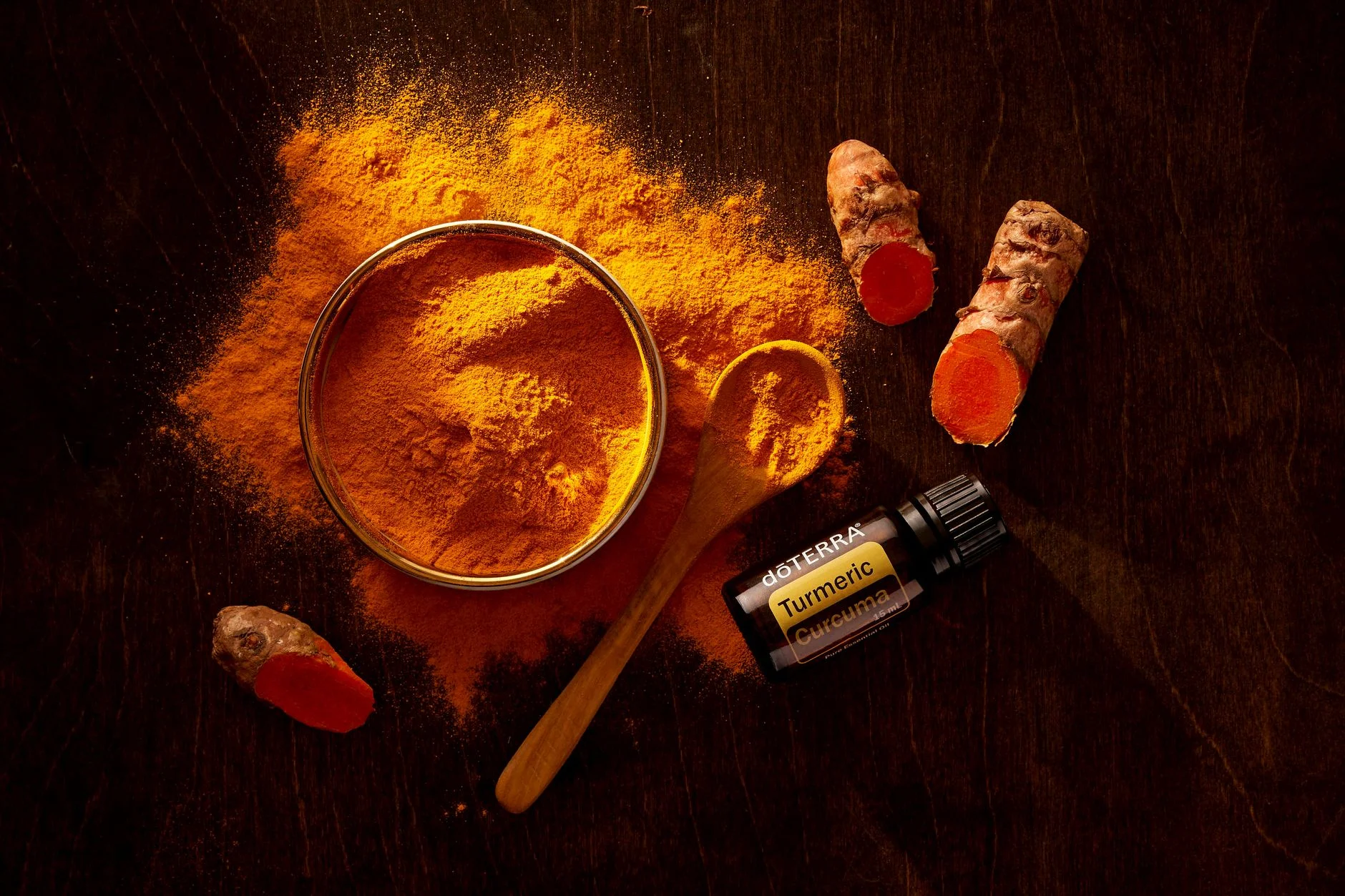
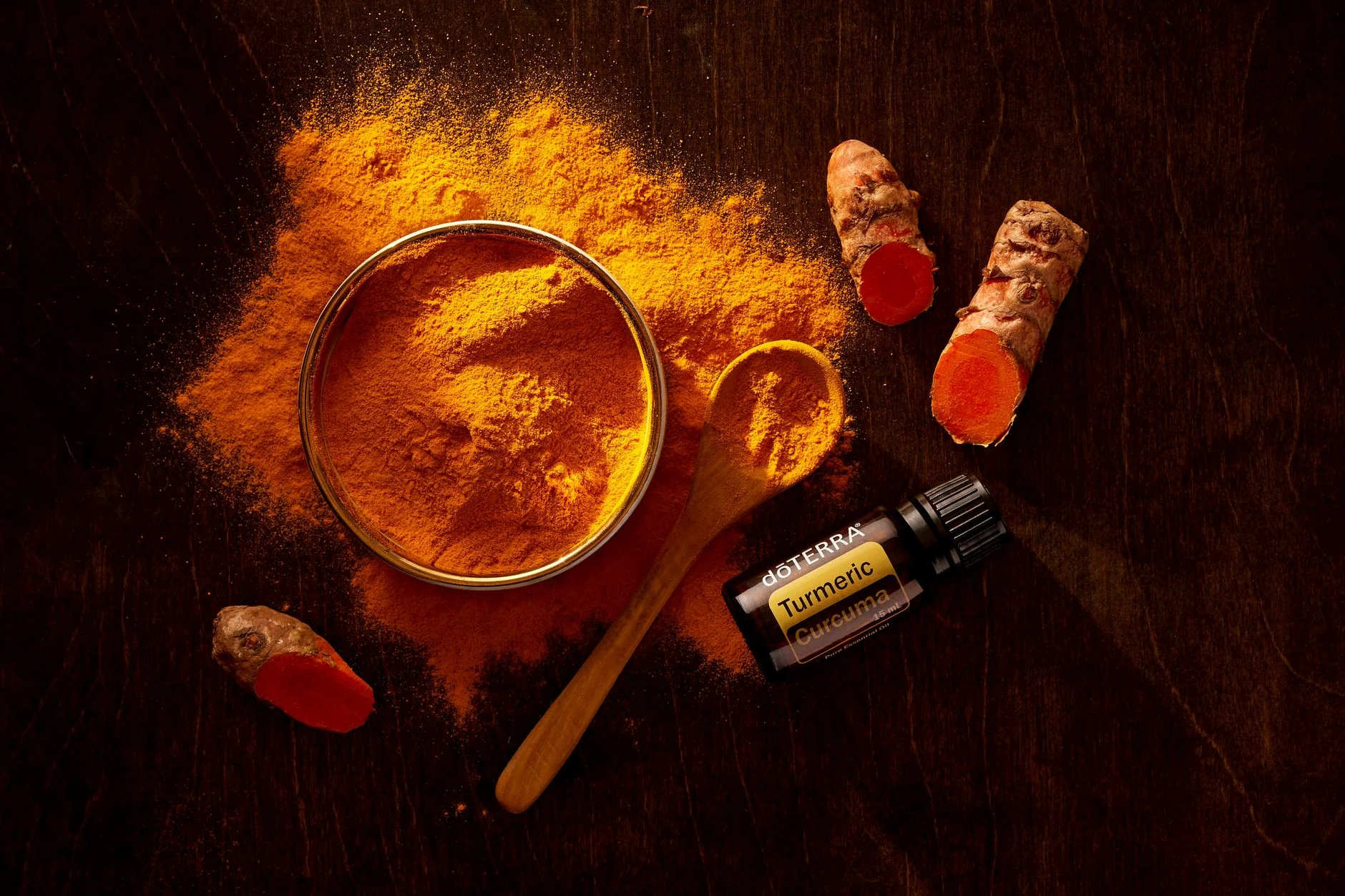
| Turmeric | Curcumin | Powerful joint and cellular protection |
| Oregano | Carvacrol | High antioxidant and antimicrobial action |
| Cinnamon | Cinnamaldehyde | Healthy blood sugar support |
Frequently Asked Questions
How can I absorb turmeric better?
Always pair turmeric with a pinch of black pepper and a healthy fat like extra virgin olive oil to increase curcumin absorption by up to 2,000 percent!
Are dried spices as effective as fresh ones?
While fresh herbs offer great vibrant enzymes, dried **Anti-Inflammatory Spices: The Mediterranean Kitchen Medicine Cabinet** staples are often exceptionally concentrated in antioxidants.
Your Next Step to Vitality

Ready to revamp your pantry? Start by swapping out old, stale seasonings for vibrant new jars of **Anti-Inflammatory Spices: The Mediterranean Kitchen Medicine Cabinet** favorites today. Combine your spice-rich cooking with daily reflection, perhaps inspired by Journaling Your Way to Inner Peace the Mediterranean Way, to create a truly holistic wellness routine. Share your favorite spice combinations in the comments below!
Daily Kitchen Rituals: How to Infuse Anti-Inflammatory Spices Into Every Meal
Embracing the anti-inflammatory power of Mediterranean spices does not require you to overhaul your entire way of cooking overnight. In fact, the true magic of this culinary tradition lies in its effortless integration into everyday meals. By making small, flavorful adjustments to how you season your food, you can transform ordinary dishes into potent elixirs of wellness. Let us explore how you can weave these vibrant botanicals into your morning, afternoon, and evening routines without spending hours in the kitchen.
Start your day with a gentle anti-inflammatory awakening. Instead of standard black coffee or plain tea, try stirring a tiny pinch of ground cinnamon and a whisper of cardamom into your morning brew or oatmeal. Cinnamon helps stabilize blood sugar levels, preventing the energy crashes that often lead to brain fog and fatigue. If you enjoy a morning smoothie, add a quarter teaspoon of turmeric alongside a crack of black pepper and a splash of healthy fat, like coconut oil or almond butter. This ensures maximum absorption of curcumin, the active compound in turmeric, while treating your palate to a warm, earthy depth of flavor.
As midday approaches, look to your lunches as an opportunity to boost your antioxidant intake. A simple bowl of lentil soup or a vibrant green salad instantly transforms when dressed with a robust Mediterranean vinaigrette. Whisk together extra virgin olive oil, fresh lemon juice, crushed garlic, and generous pinches of dried oregano and sumac. Oregano is exceptionally rich in carvacrol, a powerful plant compound that combats oxidative stress, while sumac offers a tangy, citrusy punch packed with polyphenols. Tossing roasted chickpeas or sliced cucumbers in this aromatic dressing makes healthy eating feel like an absolute treat rather than a chore.
Dinner is where the full orchestra of Mediterranean spices truly shines. When roasting vegetables like cauliflower, sweet potatoes, or carrots, coat them generously in smoked paprika, cumin, and coriander before sliding them into the oven. Cumin aids in digestive health, soothing the gut lining, while smoked paprika adds a gorgeous ruby hue and a sophisticated, campfire-like warmth. For proteins, create a quick dry rub using fennel seeds, rosemary, and thyme for fish or poultry. These aromatic herbs and seeds not only elevate the taste profile to restaurant-quality heights but also flood your system with protective phytonutrients that douse systemic inflammation at its cellular root.
Sourcing, Storing, and Maximizing Potency for Optimal Wellness
Even the highest-quality spices lose their therapeutic punch if they languish at the back of a dark cupboard for years. To truly reap the anti-inflammatory rewards of the Mediterranean diet, you must pay close attention to how you source, store, and handle your botanical ingredients. Think of your spices not as permanent pantry fixtures, but as fresh, living ingredients that deserve care, respect, and proper preservation.
When shopping for spices, prioritize vibrant color and robust aroma. If a jar of ground cumin or paprika smells dusty or flat while still in the grocery aisle, leave it on the shelf. Whenever possible, buy whole spices—such as whole nutmegs, star anise, cumin seeds, and peppercorns—and grind them yourself at home using a dedicated spice grinder or a traditional mortar and pestle. The moment a seed or bark is crushed, volatile essential oils are released into the air. Grinding your own spices ensures that these precious, anti-inflammatory compounds go directly into your food rather than evaporating into the atmosphere.
Proper storage is the next critical step in maintaining spice potency. Light, heat, moisture, and oxygen are the four sworn enemies of medicinal spices. Never store your spice rack directly above your stove or in direct sunlight, as the constant fluctuations in temperature and humidity will rapidly degrade their active constituents. Instead, tuck your spices away in dark glass jars or airtight tins inside a cool, dry pantry drawer. Whole spices will generally retain their maximum potency for up to two years, while pre-ground spices are best used within six months to a year for peak therapeutic benefit.
Finally, consider the cooking technique. While some spices love a long, slow simmer in a comforting stew, others are delicate and prefer to be added near the end of the cooking process. Robust spices like turmeric, cinnamon, and cumin thrive on gentle heat, which helps unlock their medicinal properties. Conversely, tender green herbs like basil, mint, and parsley are best torn and tossed on top of a dish right before serving to preserve their heat-sensitive vitamins and bright, enzymatic vitality. By treating your spices with the mindfulness they deserve, you unlock a deeper level of nourishment that heals from the inside out.
Frequently Asked Questions About Mediterranean Spices
Do I need to take spice supplements, or is using them in cooking enough?
For the vast majority of people, incorporating a colorful variety of anti-inflammatory spices into your daily cooking is more than enough to reap significant health benefits. Culinary use allows these compounds to interact naturally with whole foods, healthy fats, and digestive enzymes. Concentrated extracts and high-dose supplements should generally be reserved for specific therapeutic guidance under the supervision of a healthcare professional, as excessive amounts can sometimes cause digestive upset or interact with certain medications.
Why is black pepper so frequently paired with turmeric in Mediterranean and global recipes?
Black pepper contains a powerful active alkaloid called piperine, which has been scientifically proven to enhance the bioavailability of curcumin—the primary anti-inflammatory compound found in turmeric—by up to 2,000 percent. Without piperine, curcumin is rapidly metabolized and eliminated by the liver before your body can fully absorb and utilize its protective properties. Adding just a tiny pinch of black pepper to your turmeric dishes unlocks the golden spice’s full therapeutic potential.
Can heating spices destroy their anti-inflammatory properties?
While extremely high, direct heat for prolonged periods can degrade some delicate volatile oils and antioxidants, most traditional Mediterranean cooking methods—such as simmering, roasting, and gentle sautéing—actually help activate and release beneficial compounds. To get the best of both worlds, use ground spices like cumin and turmeric in your cooking base with healthy fats, and finish your plates with a final sprinkle of fresh herbs or bright spices just before serving.