Allergy Season: Anti-Histamine Mediterranean Foods
Anti-Histamine Mediterranean Foods for Allergy Season
Spring and autumn breezes bring blooming flowers, vibrant foliage, and—for millions of us—the dreaded sniffles, itchy eyes, and endless sneezing. If you are tired of relying solely on over-the-counter medications that leave you feeling drowsy, foggy, and drained, there is a delicious, sunshine-infused alternative. Welcome to the ultimate guide on Allergy Season: Anti-Histamine Mediterranean Foods here at VitalityDish. By embracing the time-honored ingredients of the Mediterranean basin, you can naturally stabilize mast cells, tame systemic inflammation, and breathe easier when seasonal triggers are at their absolute peak.
When environmental allergens invade your respiratory tract, your immune system overreacts, releasing a flood of histamine into your bloodstream. This chemical messenger triggers classic allergy symptoms like nasal congestion, watery eyes, and hives. Fortunately, the traditional Mediterranean diet is naturally packed with potent bioflavonoids, essential omega-3 fatty acids, and powerful antioxidants that act as natural antihistamines. As you navigate these pollen-heavy months, you might also find that pairing your dietary shifts with a Mediterranean Diet Sleep Protocol: Ultimate Guide helps your body recover and repair from daily inflammatory stressors more efficiently.
The Science Behind Natural Antihistamines in the Mediterranean Diet
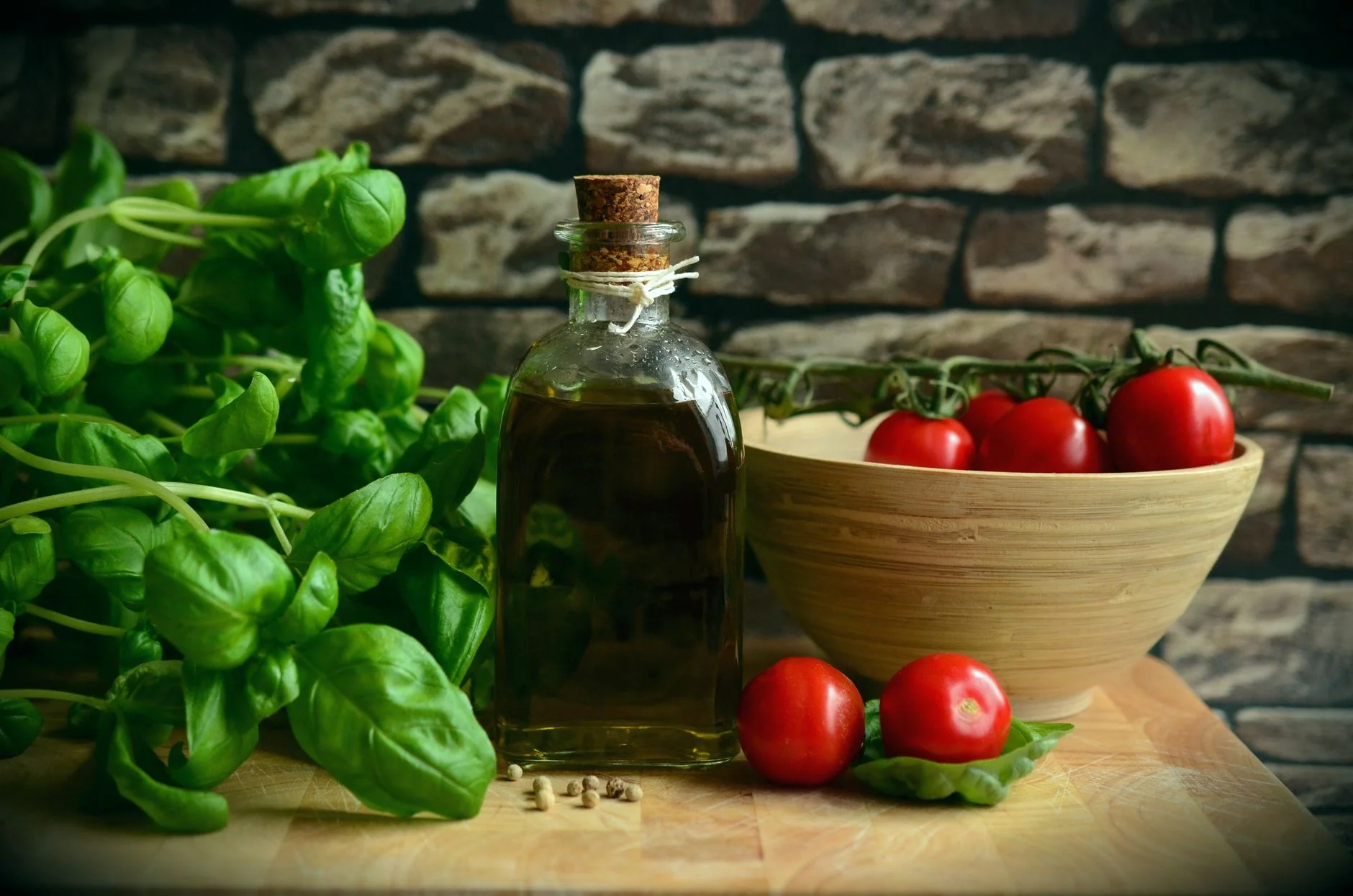
What makes the culinary traditions of Greece, Italy, Spain, and southern France so uniquely equipped to handle seasonal sniffles? It all comes down to food as medicine. The core philosophy of this lifestyle focuses on fresh produce, healthy fats, aromatic herbs, and lean proteins—all of which play an active role in modulating your immune response.
For instance, quercetin is a plant pigment found abundantly in onions, garlic, capers, and apples. Scientific studies show that quercetin acts as a natural mast cell stabilizer, effectively preventing these immune cells from releasing histamine into your tissues in the first place. When you drizzle your salads and roasted vegetables with cold-pressed oils, you are also flooding your system with anti-inflammatory polyphenols. To ensure you are choosing the right fats for your anti-allergy kitchen, take a look at the science behind Extra Virgin Olive Oil vs Avocado Oil Science to optimize your daily cooking routine.
Furthermore, maintaining overall metabolic wellness and gut health plays a massive role in how your body handles allergies. Many long-lived populations swear by mindful eating habits; learning about Ikaria Portion Control: Mediterranean Diet Secrets can help you avoid overeating processed foods that trigger gut inflammation. Pairing those mindful portions with plenty of dietary fiber—much like the concepts explored in Daily Fiber: Why 35g Daily Fiber Changes Everything—ensures a thriving microbiome, which is the command center of your immune system.
Top Anti-Histamine Foods to Add to Your Grocery List
To successfully combat seasonal allergies through your diet, you need to stock your pantry and refrigerator with specific symptom-fighting powerhouses. Here are the top Mediterranean ingredients you should incorporate into your weekly meal plan:
- Red Onions and Shallots: Loaded with quercetin, raw or lightly sautéed red onions are your first line of defense against histamine surges.
- Fresh Garlic: Known for its antimicrobial and immune-modulating properties, garlic supports respiratory health during high-pollen days.
- Capers: These tiny flower buds are one of the richest dietary sources of quercetin available. Toss them into salads, pasta dishes, and fish marinades.
- Leafy Greens (Arugula and Spinach): Packed with vitamin C, which has been shown to help break down histamine in the body safely and naturally.
- Wild-Caught Fatty Fish (Sardines and Mackerel): Rich in omega-3 fatty acids, which suppress leukotrienes and inflammatory compounds that worsen congestion.
- Fresh Herbs (Oregano, Thyme, and Basil): These aromatic plants contain rosmarinic acid, a compound known to reduce allergy-induced inflammation in nasal passages.
When you focus on whole, unprocessed ingredients, your body naturally finds its equilibrium. If you ever feel tempted to grab a processed snack when midday cravings hit, keep some Traditional Mediterranean Bites to Curb Cravings on hand so you never compromise your anti-inflammatory goals.
Step-by-Step Recipe: Quercetin-Rich Mediterranean Caper and Herb Salmon

Ready to put these anti-allergy principles into practice? This flavorful, vibrant dish combines omega-3-rich salmon with a zesty, caper-and-herb tapenade that is bursting with natural antihistamines like quercetin and rosmarinic acid. It is quick, elegant, and exceptionally nourishing for Allergy Season: Anti-Histamine Mediterranean Foods protocol.
Ingredients
- 2 wild-caught salmon fillets (about 6 oz each)
- 3 tablespoons extra virgin olive oil
- 2 tablespoons drained capers, roughly chopped
- 1/4 cup red onion, finely minced
- 2 cloves garlic, minced
- 1 cup fresh parsley, finely chopped
- 2 tablespoons fresh oregano leaves
- Juice and zest of 1 organic lemon
- Sea salt and freshly cracked black pepper to taste
Instructions
- Preheat your oven to 400°F (200°C) and line a baking sheet with parchment paper. Place the salmon fillets skin-side down on the prepared baking sheet.
- In a small mixing bowl, combine the extra virgin olive oil, minced red onion, garlic, chopped capers, lemon zest, and fresh lemon juice. Stir well to create a vibrant marinade.
- Fold the chopped parsley and fresh oregano into the olive oil mixture. Season gently with sea salt and black pepper.
- Generously spoon the caper and herb mixture over the top of each salmon fillet, pressing down slightly so the toppings adhere to the fish.
- Bake in the preheated oven for 12 to 15 minutes, or until the salmon flakes easily with a fork and is cooked to your preferred level of doneness.
- Remove from the oven, garnish with an extra squeeze of fresh lemon juice, and serve immediately alongside a bed of leafy greens or roasted root vegetables.
Nutrition Facts
Below is the nutritional breakdown for one serving of our Quercetin-Rich Mediterranean Caper and Herb Salmon.
| Nutrient | Amount per Serving | % Daily Value* |
|---|---|---|
| Calories | 420 kcal | 21% |
| Total Fat | 26 g | 33% |
| Saturated Fat | 4 g | 20% |
| Cholesterol | 85 mg | 28% |
| Sodium | 480 mg | 21% |
| Total Carbohydrates | 5 g | 2% |
| Dietary Fiber | 2 g | 7% |
| Sugars | 1 g | – |
| Protein | 38 g | 76% |
*Percent Daily Values are based on a 2,000 calorie diet. Your daily values may vary depending on your individual calorie needs.
Frequently Asked Questions

Can the Mediterranean diet completely cure seasonal allergies?
While diet cannot completely “cure” environmental allergies, adopting an anti-inflammatory eating pattern rich in antioxidants, omega-3 fatty acids, and natural antihistamines like quercetin can dramatically reduce symptom severity. By stabilizing mast cells and lowering systemic inflammation, many people find they need far less reliance on conventional allergy medications during peak seasons.
How quickly can I expect relief after eating anti-histamine foods?
Some foods, such as those high in vitamin C and quercetin, can offer mild, acute support within a few hours of consumption. However, the true power of leveraging the Mediterranean diet for allergy relief comes from consistent, long-term habits. Building a resilient immune system through daily consumption of olive oil, leafy greens, and fresh herbs creates lasting anti-inflammatory benefits over weeks and months.
Are there any Mediterranean foods I should avoid during allergy season?
Yes. If you suffer from severe seasonal allergies, you may want to limit foods that are high in preformed histamine or that trigger histamine release. This includes aged cheeses, cured meats, fermented foods like sauerkraut or aged vinegars, and red wine. Additionally, individuals with birch pollen allergies should watch out for oral allergy syndrome triggers, such as raw apples, peaches, and certain nuts, which can cross-react with tree pollen.
Does hydration play a role in managing seasonal allergy symptoms?
Proper hydration is essential during allergy season. Drinking plenty of water and herbal teas (such as green tea or rooibos tea, which also possess natural antihistamine properties) helps thin out mucus secretions in your nasal passages and sinuses, making it much easier for your body to flush out trapped pollens and irritants.
Conclusion
Seasonal allergies do not have to mean weeks of brain fog, sneezing, and endless box of tissues. By leaning into the time-tested wisdom of the Mediterranean diet and focusing on nutrient-dense, anti-histamine ingredients like capers, red onions, wild-caught fish, and extra virgin olive oil, you can support your immune system naturally. Combine these dietary shifts with mindful eating, quality rest, and proper hydration to reclaim your vitality this season. Head over to VitalityDish for more healthy recipes, expert nutrition tips, and lifestyle guides designed to help you thrive all year round!