Winter Immune System Foods for Optimal Health
Mediterranean Winter Immune System Foods
As the temperature drops and winter sniffles begin, your body needs an extra layer of defense. Welcome back to VitalityDish, your go-to corner for wholesome living! Today’s daily wellness tip focuses on Immunity Boosting: Mediterranean Winter Immune System Foods. By leaning into the time-tested traditions of the sun-kissed Mediterranean, you can naturally strengthen your winter wellness and keep your natural defenses high all season long.
Last updated: September 30, 2026.
In this article
- Mediterranean Winter Immune System Foods
- The Power of Immunity Boosting: Mediterranean Winter Immune System Foods
- How to Implement This Daily Tip
- Join the VitalityDish Community
- Understanding the Seasonal Shift: Why Your Body Craves Mediterranean Nutrition
- Building Your Winter Mediterranean Pantry and Plate
- Frequently Asked Questions
The Power of Immunity Boosting: Mediterranean Winter Immune System Foods
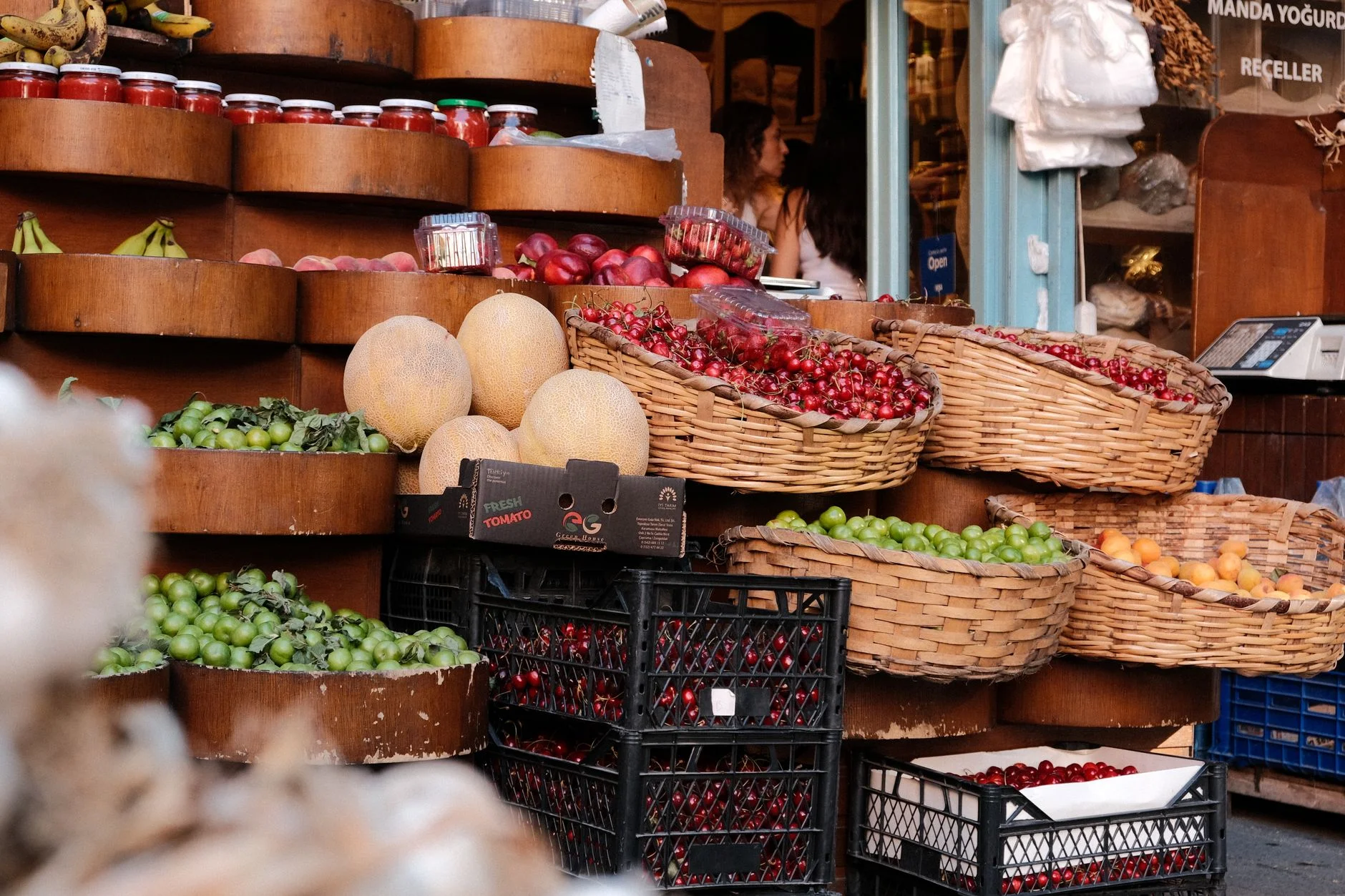
Winter in the Mediterranean isn’t about heavy, comfort-food hibernation; it is a vibrant season packed with citrus fruits, leafy greens, and potent bulbs like garlic. When you focus on Immunity Boosting: Mediterranean Winter Immune System Foods, you are flooding your system with powerful antioxidants, vitamin C, and healthy fats. To maximize these protective benefits, make sure you cook with Extra Virgin Olive Oil vs Avocado Oil Science to enhance the absorption of fat-soluble vitamins.
Furthermore, supporting your immune system goes hand in hand with other healthy habits. For instance, pairing your nutrient-dense meals with proper rest—as outlined in our Mediterranean Diet Sleep Protocol: Ultimate Guide—ensures your body has the overnight downtime it needs to repair and defend itself against seasonal bugs.
Quick Winter Immunity Nutrition Profile
| Food Item | Key Nutrient | Immune Benefit |
|---|---|---|
| Blood Oranges & Lemons | Vitamin C & Bioflavonoids | Supports white blood cell function |
| Garlic & Onions | Allicin | Natural antimicrobial properties |
| Leafy Greens (Kale/Spinach) | Vitamins A, C, and K | Reduces systemic inflammation |
How to Implement This Daily Tip

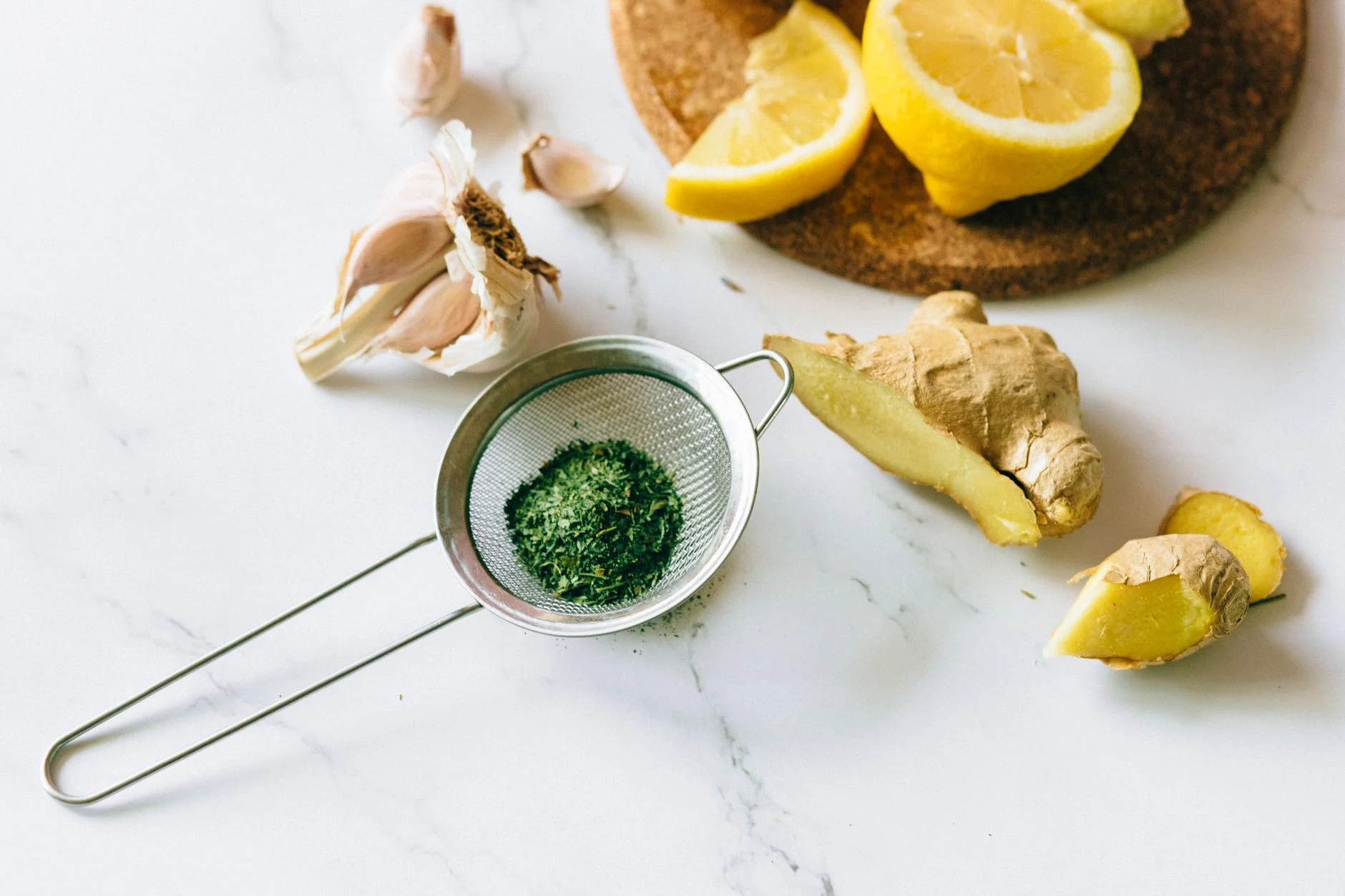
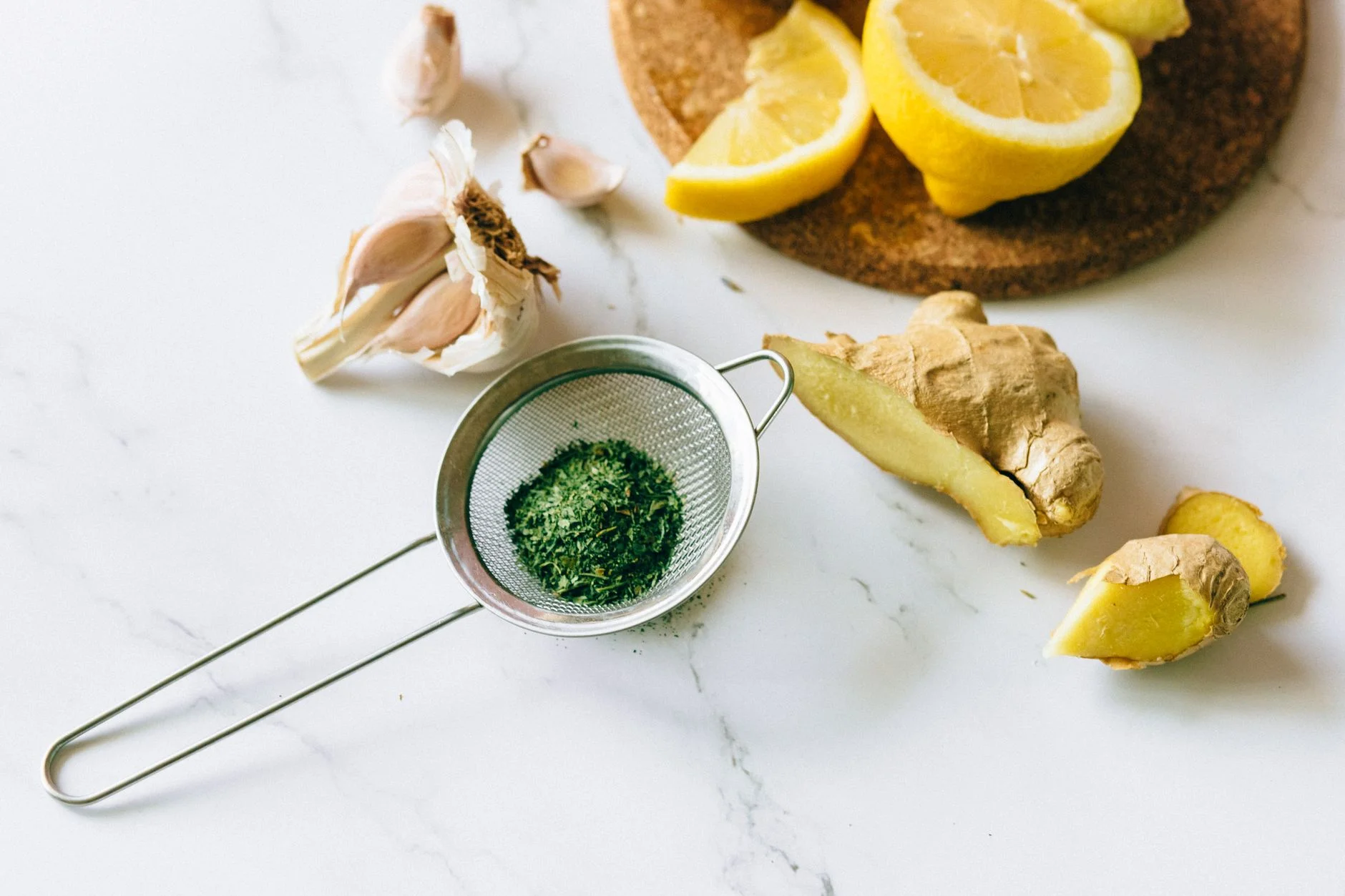
Incorporating Immunity Boosting: Mediterranean Winter Immune System Foods into your daily routine is delightfully simple. Start your morning with warm lemon water, add raw minced garlic to your dressings, and snack on antioxidant-rich citrus. If you are tracking your overall intake, remember that mindful eating principles, much like those explored in Ikaria Portion Control: Mediterranean Diet Secrets, will help you enjoy these seasonal staples without overindulging.
Frequently Asked Questions
What are the best Mediterranean foods for winter immunity?
The best choices include citrus fruits like oranges and lemons, leafy green vegetables, garlic, onions, and healthy fats like extra virgin olive oil, which all work synergistically to support immune health.
Can winter superfoods replace cold medication?
While these nutrient-dense ingredients strengthen your body’s natural defense mechanisms and help prevent illness, they are not a medical cure for active infections.
Join the VitalityDish Community

Ready to transform your winter wellness routine? Head to the kitchen, stock up on seasonal citrus and greens, and embrace the power of Immunity Boosting: Mediterranean Winter Immune System Foods today. Don’t forget to share your favorite winter Mediterranean recipes in the comments below!
Understanding the Seasonal Shift: Why Your Body Craves Mediterranean Nutrition in Winter
When the temperature drops and daylight hours shrink, our bodies undergo a natural biological transition. Colder weather often leads to decreased physical activity, increased time spent indoors in close quarters, and a natural craving for heavier, comforting meals. Unfortunately, this combination can sluggishly impact our immune surveillance. Rather than turning to overly processed comfort foods, the time-tested Mediterranean lifestyle offers an abundant harvest of winter produce specifically engineered by nature to fortify your defenses.
The secret to Mediterranean winter resilience lies in phytochemical diversity and vibrant color. While summer brings hydrating watermelons and nightshades, winter ushers in a powerhouse of cruciferous vegetables, robust root crops, and antioxidant-laden citrus fruits. These foods are densely packed with essential vitamins like Vitamin C, Vitamin A, and zinc, alongside gut-nourishing prebiotic fibers. Because roughly seventy percent of your immune system resides in your gut, consuming a fiber-rich, plant-forward diet is the most effective biological strategy for warding off seasonal bugs naturally.
Furthermore, traditional Mediterranean winter eating heavily incorporates healthy monounsaturated fats, particularly extra virgin olive oil, and wild-caught oily fish like sardines and mackerel. These ingredients are rich in omega-3 fatty acids, which actively modulate systemic inflammation. By keeping chronic inflammation at bay, your immune system remains agile and responsive, rather than exhausted and overworked. Transitioning your kitchen to a winter Mediterranean framework ensures you stay vibrant, energetic, and resilient all season long.
Building Your Winter Mediterranean Pantry and Plate
Stocking your kitchen with the right staples makes effortless, immune-boosting cooking a daily reality. The winter Mediterranean pantry relies heavily on shelf-stable, nutrient-dense ingredients that form the base of countless nourishing soups, stews, and roasted platters. By keeping these foundational items readily available, you eliminate the friction of healthy meal preparation during busy weeknights.
Start with a robust collection of legumes and whole grains. Chickpeas, lentils, white cannellini beans, farro, and barley are winter staples across Greece, Italy, and Spain. These ingredients provide complex carbohydrates, sustained energy, and crucial plant-based protein that supports cellular repair. Combine them with high-polyphenol extra virgin olive oil, which serves as the healthy culinary vehicle for absorbing fat-soluble vitamins from your winter vegetables.
Next, curate a collection of immune-enhancing aromatics and spices. Garlic, onions, leeks, and shallots contain powerful organosulfur compounds and allicin, known for their natural antimicrobial properties. Pair them generously with warming Mediterranean spices such as oregano, rosemary, thyme, and turmeric. Thyme, in particular, contains thymol, a natural compound with potent respiratory-soothing benefits, making it an ideal herb for the cold winter months.
- Extra Virgin Olive Oil: Choose high-antioxidant, cold-pressed varieties for daily cooking and raw finishing.
- Citrus Fruits: Stock up on blood oranges, lemons, mandarins, and grapefruits for a massive dose of Vitamin C and bioflavonoids.
- Cruciferous Vegetables: Incorporate broccoli, cauliflower, kale, and Brussels sprouts to support liver detoxification and immune regulation.
- Alliums & Herbs: Keep garlic, onions, and fresh rosemary or thyme on hand to elevate both flavor and pathogen-fighting power.
- Nuts and Seeds: Rely on walnuts, almonds, and pumpkin seeds for a healthy hit of Vitamin E, selenium, and zinc.
Frequently Asked Questions
Can frozen or canned Mediterranean foods still boost your winter immunity?
Absolutely. While fresh seasonal produce is always wonderful, flash-frozen vegetables like kale, broccoli, and spinach are often picked and frozen at peak ripeness, locking in their vitamin content. Similarly, canned beans, tomatoes, and wild-caught sardines are incredibly convenient, nutrient-dense shortcuts that make adhering to a Mediterranean lifestyle straightforward during hectic winter schedules.
How does extra virgin olive oil specifically support immune function?
Extra virgin olive oil is rich in powerful antioxidants known as polyphenols, particularly oleocanthal, which possess strong anti-inflammatory properties. Because chronic inflammation suppresses optimal immune responses, consuming quality olive oil daily helps regulate immune pathways, protects cell membranes from oxidative stress, and supports cardiovascular health.
What is the best way to incorporate bitter winter greens if I dislike the taste?
Bitter greens like dandelion greens, chicory, and Swiss chard are phenomenal for winter liver and immune health, but their flavor can be intense. To mellow them out, try blanching them briefly before sautéing them in generous amounts of extra virgin olive oil with minced garlic and a pinch of sea salt. Alternatively, chop them finely and stir them directly into simmering Tuscan bean soups or hearty vegetable stews, where their bitterness completely softens into the broth.