How to Build a Balanced Mediterranean Plate Without Counting
Mindful Portions: How to Build a Balanced Mediterranean Plate Without Counting Calories
When approaching healthy eating, the modern wellness space often prescribes rigorous measuring cups, digital kitchen scales, and exhaustive smartphone applications designed to track every gram of macronutrient entering the body. Yet, for many home cooks, this constant tracking transforms the joyful art of eating into a tedious clerical task. If you want to embrace a sustainable way of eating without living by a calculator, there is an easier path forward. Embracing Mindful Portions: How to Build a Balanced Mediterranean Plate Without Counting Calories offers a liberating shift away from numbers and toward sensory awareness, culinary intuition, and lifelong eating patterns.
In this article
- Mindful Portions: How to Build a Balanced Mediterranean Plate Without Counting
- The Philosophy of Mindful Eating and Visual Portions
- Anatomy of a Balanced Mediterranean Plate
- Step-by-Step Recipe: Lemon-Herb Grilled Chicken with Quinoa and Mediterranean
- Nutrition Facts
- Food Safety Tips
- Frequently Asked Questions
- Conclusion
The traditional Mediterranean lifestyle—steeped in coastal culinary heritage from Greece, Southern Italy, Spain, and beyond—has long relied on visual proportions, seasonal ingredients, and communal dining rather than mathematical strictness. Observational studies, such as those reviewed by the National Institutes of Health, suggest that dietary patterns rich in vegetables, legumes, fruits, whole grains, and healthy fats like extra virgin olive oil are associated with various long-term health markers, particularly regarding cardiovascular wellness. However, achieving these benefits does not require strict tracking. By understanding how to arrange your plate visually, you can naturally balance your meals while focusing on flavor, texture, and enjoyment in the kitchen.
The Philosophy of Mindful Eating and Visual Portions

Mindful eating is not a rigid set of rules; rather, it is a practice of paying attention to food as it is being prepared and eaten, noticing flavors, textures, smells, and your own internal cues of fullness. When applied to meal construction, visual plating replaces the scale. Instead of weighing out precise quantities of grains or proteins, you rely on the geography of your dinner plate.
Research published by public health organizations indicates that visual cues significantly influence how much we consume. When half the plate is occupied by colorful vegetables and fiber-rich greens, you naturally create a nutrient-dense foundation without restricting yourself. This approach aligns closely with guidance from the American Heart Association, which emphasizes incorporating a wide variety of plant foods and unsaturated fats into daily meals to support heart health.
For those looking to transition smoothly, you can read more about foundational approaches in How to Try the Mediterranean Diet Without Counting Calories, which outlines practical steps for adopting this lifestyle gradually. Furthermore, anchoring your daily cooking habits with supportive routines, such as those explored in 5 Ways to Build a Mediterranean Evening Routine, helps reinforce a calm, balanced relationship with food throughout the day.
Anatomy of a Balanced Mediterranean Plate
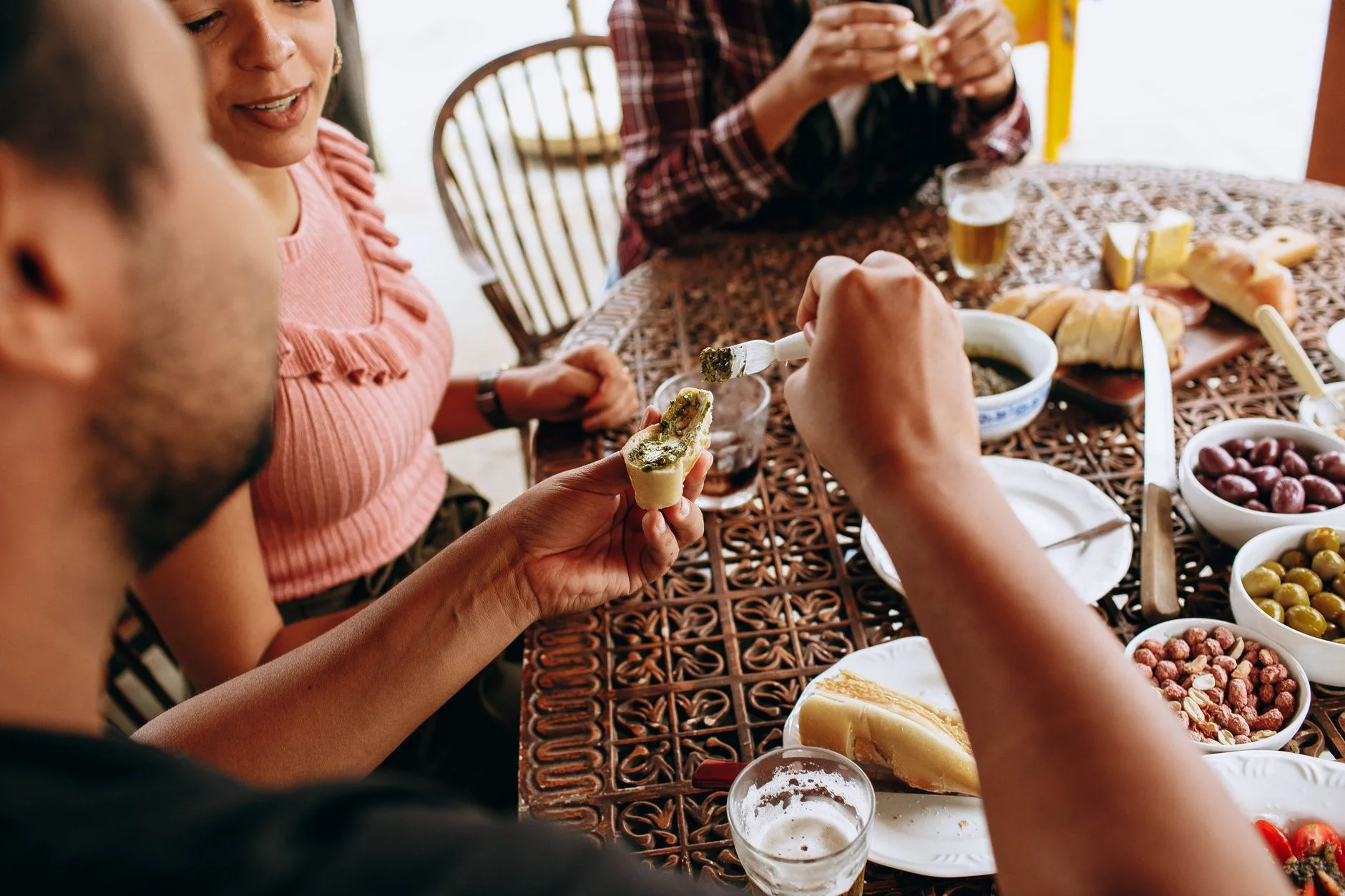
Building a balanced plate without a calculator is entirely achievable when you divide your plate into three primary functional zones. This visual framework ensures variety, satisfaction, and balanced nutrition:
- The Foundation (50% of the plate): Fill half your plate with non-starchy vegetables and leafy greens. Think roasted zucchini, bright tomatoes, crisp cucumbers, or vibrant salads dressed simply with olive oil and lemon juice. If you enjoy robust, slightly bitter flavors, adding items highlighted in Why Bitter Greens Deserve a Spot on Your Daily Plate can introduce wonderful depth to your meal.
- The Energy Source (25% of the plate): Reserve a quarter of your plate for whole grains or starchy root vegetables. Options like farro, bulgur, barley, brown rice, or roasted sweet potatoes provide sustained energy and satisfying textures.
- The Protein & Flavor Anchor (25% of the plate): Allocate the final quarter to high-quality protein sources such as grilled fish, poultry, eggs, legumes, or sheep’s milk cheeses like feta. This section also encompasses healthy fats, which are integrated into the cooking process through extra virgin olive oil, olives, or tahini-based dressings.
To keep your kitchen routine efficient, you can also explore 10 Quick Mediterranean Cooking Hacks for Busy Nights, which offers time-saving strategies for weeknight meal preparation.
Step-by-Step Recipe: Lemon-Herb Grilled Chicken with Quinoa and Mediterranean Summer Vegetables
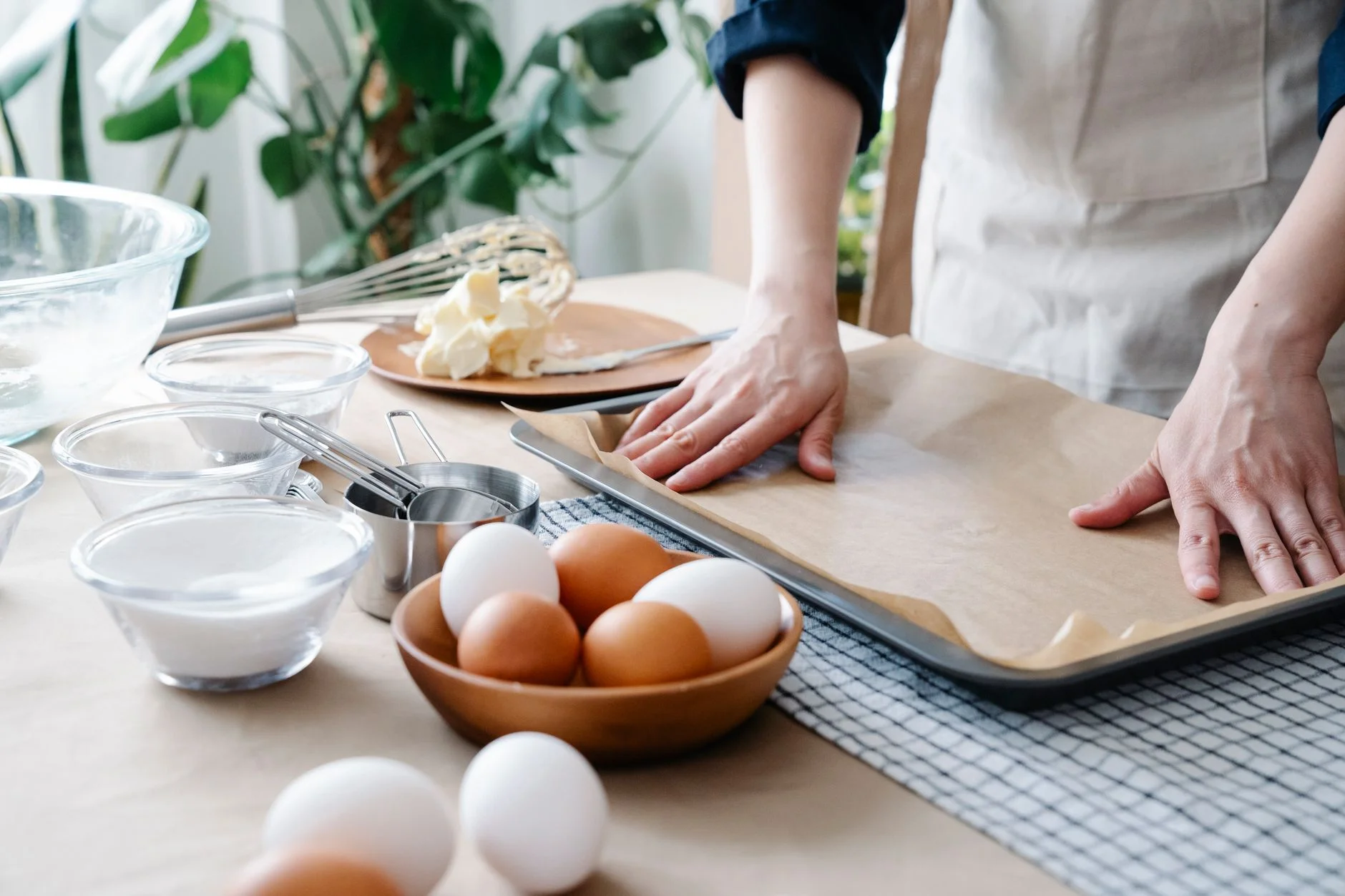
This vibrant, satisfying recipe brings the visual plate method to life. It combines lean protein, fiber-rich grains, and a bounty of fresh vegetables, seasoned with aromatic herbs and extra virgin olive oil.
Prep time: 20 minutes
Cook time: 25 minutes
Total time: 45 minutes
Servings: 4
Ingredients
- 2 boneless, skinless chicken breasts (about 1 pound total), patted dry with paper towels
- 1 cup dry quinoa, rinsed thoroughly
- 2 cups low-sodium chicken broth or water
- 1 medium zucchini, sliced into half-moons
- 1 red bell pepper, cored and chopped into bite-sized pieces
- 1 cup cherry tomatoes, halved
- 3 tablespoons extra virgin olive oil, divided
- 2 cloves garlic, minced
- 1 lemon (zested and juiced)
- 2 tablespoons fresh oregano, finely chopped (explore more ideas in How to Use Fresh Herbs in Everyday Mediterranean Cooking)
- Salt and freshly cracked black pepper, to taste
Instructions
- Cook the Quinoa: In a medium saucepan, combine the rinsed quinoa and chicken broth. Bring to a boil over medium-high heat, then reduce heat to low, cover, and simmer for 15 minutes or until the liquid is absorbed. Remove from heat and let steam, covered, for 5 minutes, then fluff with a fork. Stir in a squeeze of fresh lemon juice and a pinch of salt.
- Prepare and Marinate the Chicken: Ensure chicken breasts are patted completely dry with paper towels. In a shallow bowl, whisk together 1 tablespoon of extra virgin olive oil, minced garlic, half of the lemon zest, half of the chopped oregano, salt, and black pepper. Coat the chicken breasts in the marinade and let sit at room temperature for 15 minutes.
- Roast the Vegetables: Preheat your oven to 400°F (200°C). On a large baking sheet, toss the zucchini, red bell pepper, and cherry tomatoes with 1 tablespoon of extra virgin olive oil, remaining oregano, salt, and pepper. Spread into a single layer and roast for 20 minutes until tender and slightly caramelized.
- Cook the Chicken: Heat a grill pan or skillet over medium-high heat with the remaining 1 tablespoon of extra virgin olive oil. Add the chicken breasts and cook for 6 to 8 minutes per side, ensuring a meat thermometer inserted into the thickest part reads at least 165°F (74°C). Remove from heat and let rest for 5 minutes before slicing.
- Assemble the Plates: Divide the warm quinoa evenly across four plates (occupying one-quarter of each). Add the roasted Mediterranean vegetables to half of each plate. Place the sliced grilled chicken in the remaining quarter. Drizzle remaining fresh lemon juice over the top and serve immediately.
Nutrition Facts
| Nutrient | Amount per Serving |
|---|---|
| Calories | 440 kcal |
| Protein | 32 g |
| Total Fat | 16 g |
| Carbohydrates | 42 g |
| Dietary Fiber | 6 g |
| Sodium | 310 mg |
Food Safety Tips
- Temperature Control: Always verify that poultry reaches an internal cooking temperature of 165°F (74°C) using a calibrated food thermometer.
- Cross-Contamination Prevention: Never rinse raw poultry under running water, as this can splash bacteria across kitchen surfaces. Always pat dry with paper towels, and sanitize cutting boards and utensils immediately after handling raw meat.
- Prompt Storage: Store leftover cooked chicken, grains, and vegetables in airtight containers in the refrigerator within two hours of preparation. Consume within 3 to 4 days for optimal quality and safety.
Frequently Asked Questions

Do I need to weigh my food to follow a Mediterranean eating pattern?
No. The traditional Mediterranean lifestyle relies heavily on visual proportions, mindful eating, and seasonal ingredients rather than weighing food or counting calories. Using the plate method—half vegetables, a quarter whole grains, and a quarter protein—provides a natural, intuitive way to balance your meals without a scale.
Can I practice mindful portions if I eat out frequently?
Yes. When dining out, you can apply the same visual principles by scanning restaurant menus for dishes centered around vegetables, grilled seafood, poultry, or legumes served with olive oil. When your meal arrives, you can mentally divide your plate into the same visual proportions, enjoying your food slowly and stopping when comfortably full.
What if I feel hungry between meals when not counting calories?
Hunger between meals often indicates that your previous plate needed more fiber, protein, or healthy fats. Adjusting your visual proportions to include a bit more plant-based protein (like chickpeas or lentils) or an extra drizzle of extra virgin olive oil can significantly enhance satiety and keep you comfortably energized.
Conclusion
Adopting a balanced approach to eating does not require strict math, food scales, or restrictive rules. By embracing visual proportions and mindful eating practices rooted in the Mediterranean lifestyle, you can create satisfying, nutrient-dense meals that nourish both body and spirit. Focus on filling your plate with vibrant vegetables, wholesome grains, and quality proteins, and let the joy of cooking and eating guide your daily routine.
مقال مرتبط: Mediterranean Sea Salt: Why Your Healthy Meals Need It
مقال مرتبط: How to Stay Active Throughout Your Workday Without a Gym
مقال مرتبط: Why Eating a Rainbow Enhances Daily Vitality: A Guide
مقال مرتبط: How to Cook Farro, Quinoa & Bulgur Every Day
مقال مرتبط: How to Build a Morning Routine That Energizes Your Whole Day