Keto Mediterranean Diet Guide: Top Low Carb Foods
Keto Mediterranean Diet: The Ultimate Guide
Welcome back to VitalityDish, your trusted corner of the internet for all things vibrant and wholesome! If you have ever wondered how to marry the heart-healthy fats of the coastal sun with the fat-burning power of low-carb eating, you are in the right place. Welcome to the Keto Mediterranean: Low Carb Mediterranean Diet Guide, where we explore how combining these two powerhouse lifestyles can elevate your wellness journey. While many traditional diets focus strictly on heavy meats, this fusion prioritizes fresh vegetables, seafood, and the liquid gold we all love: extra virgin olive oil. When paired with principles from Mediterranean Centenarians: The Ultimate Longevity Guide, this eating pattern unlocks a sustainable path to vibrant aging and vitality.
What is the Keto Mediterranean Diet?
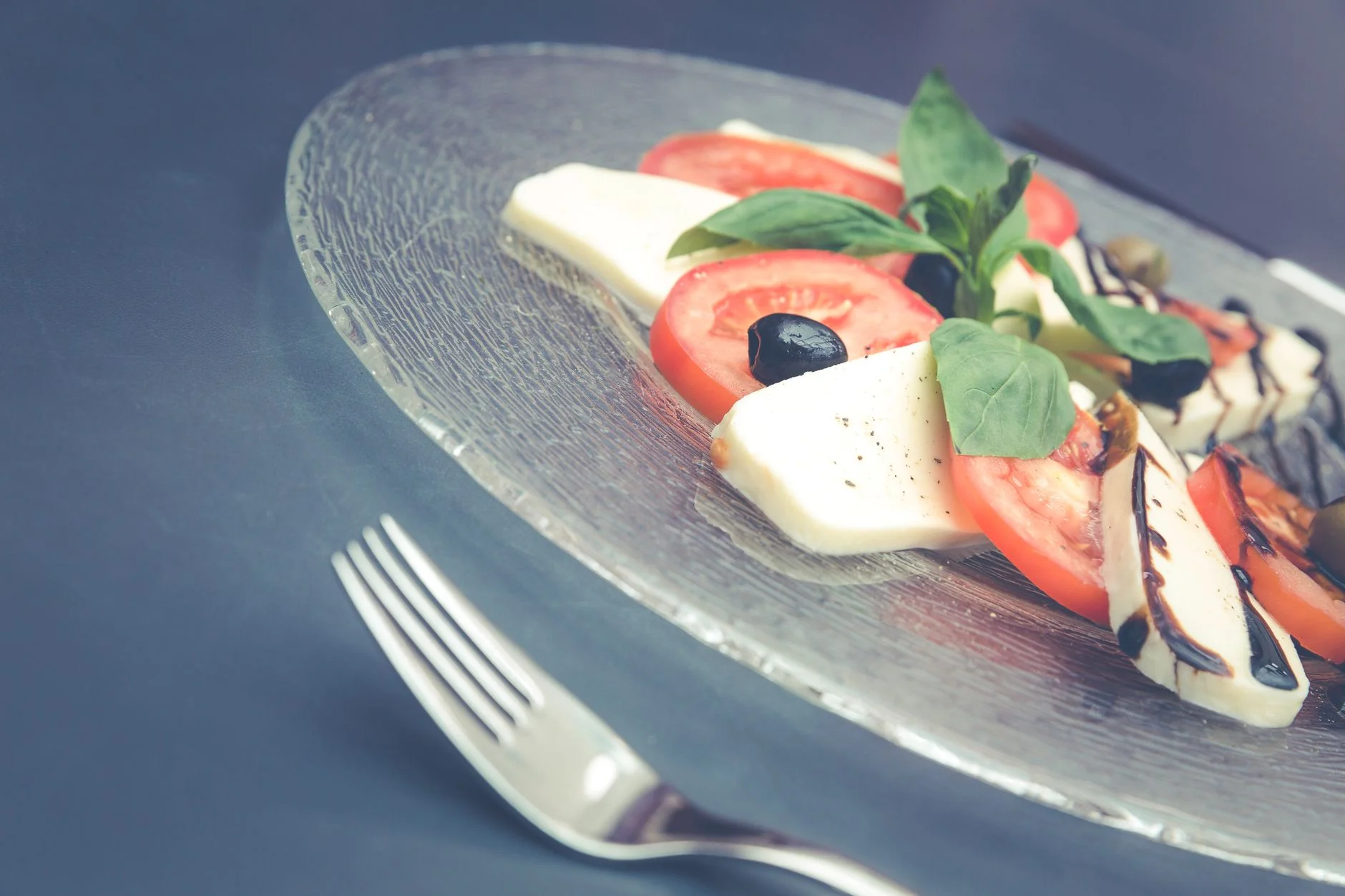
At its core, the keto Mediterranean diet is a hybrid approach that takes the high-fat, low-carbohydrate framework of a standard ketogenic diet and infuses it with the wholesome, whole-food philosophy of the traditional Mediterranean diet. Instead of relying on processed dairy, heavy bacon, and excessive red meats, a true Keto Mediterranean: Low Carb Mediterranean Diet Guide encourages healthy monounsaturated fats, wild-caught fish, abundant leafy greens, and minimal starchy grains or sugars. This creates a synergy that supports metabolic health, similar to concepts discussed in our guide on Metabolic Flexibility: Fasting & Mediterranean Diet. By dropping net carbohydrates significantly, your body shifts into ketosis, utilizing fat for fuel while still reaping the antioxidant-rich benefits of Mediterranean produce.
Nutritional Profile of Key Keto-Mediterranean Ingredients
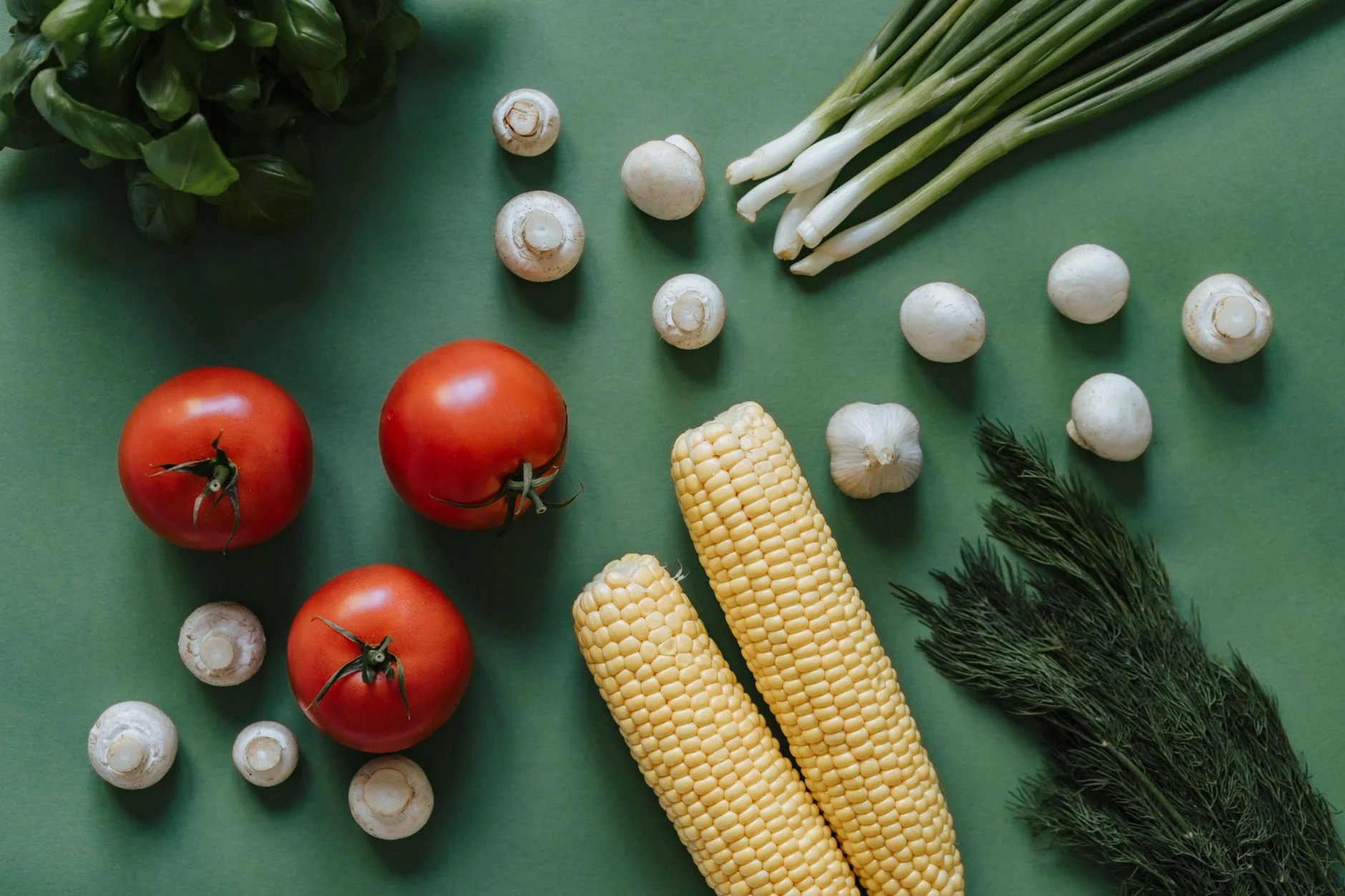
To give you a better idea of how macronutrients break down when you adopt this lifestyle, let us look at a nutritional profile of three foundational staples: extra virgin olive oil, wild-caught salmon, and fresh avocados. These nutrient-dense options help you maintain ketosis while nourishing every cell in your body.
| Ingredient (100g serving) | Calories | Fat (g) | Net Carbs (g) | Protein (g) |
|---|---|---|---|---|
| Extra Virgin Olive Oil | 884 | 100g | 0g | 0g |
| Wild-Caught Salmon | 206 | 12.3g | 0g | 22.1g |
| Fresh Avocado | 160 | 14.7g | 1.8g | 2g |
Health Benefits of This Low-Carb Fusion
Why should you consider implementing a Keto Mediterranean: Low Carb Mediterranean Diet Guide framework into your weekly routine? The benefits are multi-fold. First, it supports cardiovascular health by replacing saturated animal fats with plant-based polyphenols and omega-3 fatty acids. Second, keeping your blood sugar stable helps curb afternoon slumps and mindless snacking, especially when you pair these ingredients with Traditional Mediterranean Bites to Curb Cravings. Furthermore, many practitioners find that combining low-carb eating with Mediterranean superfoods provides incredible support for cellular repair and immune defense, mirroring the benefits found in Winter Immune System Foods for Optimal Health.
How to Use Keto-Mediterranean Ingredients in Your Kitchen

Transitioning to this lifestyle does not require complicated culinary techniques. The secret is keeping your pantry stocked with high-quality staples and utilizing efficient strategies like those found in Mediterranean Meal Prep Mastery: The 2-Hour Guide. Drizzle extra virgin olive oil generously over roasted non-starchy vegetables like zucchini and broccoli, use wild-caught sardines or mackerel for quick protein fixes, and snack on Kalamata olives and sheep’s milk feta cheese when hunger strikes. You can also incorporate ingredients that boost skin health, similar to recommendations in 10 Mediterranean Foods for Collagen Boosting & Youth.
Storage Tips for Maximum Freshness

Because whole foods are the foundation of a successful Keto Mediterranean: Low Carb Mediterranean Diet Guide approach, proper storage is essential to preserve nutrients and flavor:
- Olive Oil: Store in a cool, dark glass bottle away from direct stove heat to prevent oxidation.
- Fresh Seafood: Keep in the coldest part of your refrigerator and consume within 1-2 days, or freeze immediately.
- Leafy Greens and Herbs: Wrap in damp paper towels inside a breathable container to maintain crispness through the week.
Simple Keto-Mediterranean Recipe Inspiration
Whipping up a quick, macro-friendly meal has never been easier. Try this effortless Lemon-Herb Baked Salmon with Zucchini Noodles.
Ingredients:
- 2 wild-caught salmon fillets
- 3 tablespoons extra virgin olive oil
- Juice of 1 fresh lemon
- 2 cloves garlic, minced
- 2 medium zucchini, spiralized into noodles
- Handful of fresh parsley and crumbled feta
Instructions: Preheat your oven to 400°F (200°C). Place the salmon fillets on a baking sheet, brush with half the olive oil, lemon juice, and minced garlic. Bake for 12-15 minutes until flaky. Meanwhile, sauté the zucchini noodles in a skillet with the remaining olive oil for 2-3 minutes until tender-crisp. Serve the salmon atop the warm zoodles, garnished with fresh parsley and a sprinkle of feta.
Frequently Asked Questions
Can I build muscle on a Keto Mediterranean diet?
Yes, absolutely! By prioritizing high-quality seafood, poultry, eggs, and moderate amounts of sheep or goat cheeses, you get ample protein to support muscle recovery while maintaining low carbohydrate intake.
Is dairy allowed on a low-carb Mediterranean diet?
Traditional Mediterranean diets feature fermented dairy like yogurt and hard sheep or goat cheeses in moderation. On this keto hybrid, you can enjoy these items while keeping a close eye on your overall daily carbohydrate counts.
How do I know if I am in ketosis?
Common signs of mild ketosis include increased mental clarity, stable energy levels throughout the day, and reduced cravings for sugary treats. You can also track blood ketones using a specialized ketone meter for precise measurement.