Daily Health Tip: Grilled Halloumi Vegetable Skewers
Welcome back to VitalityDish, your go-to corner for vibrant, heart-healthy eating! Are you looking to elevate your weeknight dinner with a burst of Mediterranean flavor? If you are tired of the same old chicken breasts, we have a sizzling daily tip that will transform your grill master status: Grilled Halloumi Vegetable Skewers.
Last updated: September 30, 2026.
In this article
- The Daily Tip: Char It Up with Halloumi
- Call to Action
- Why Halloumi and Vegetables Are a Match Made in Mediterranean Heaven
- Mastering the Grill: Essential Tips for Skewer Perfection
- Flavor Boosters: Elevate Your Skewers with Mediterranean Herbs and Dips
- Frequently Asked Questions About Grilled Halloumi
The Daily Tip: Char It Up with Halloumi
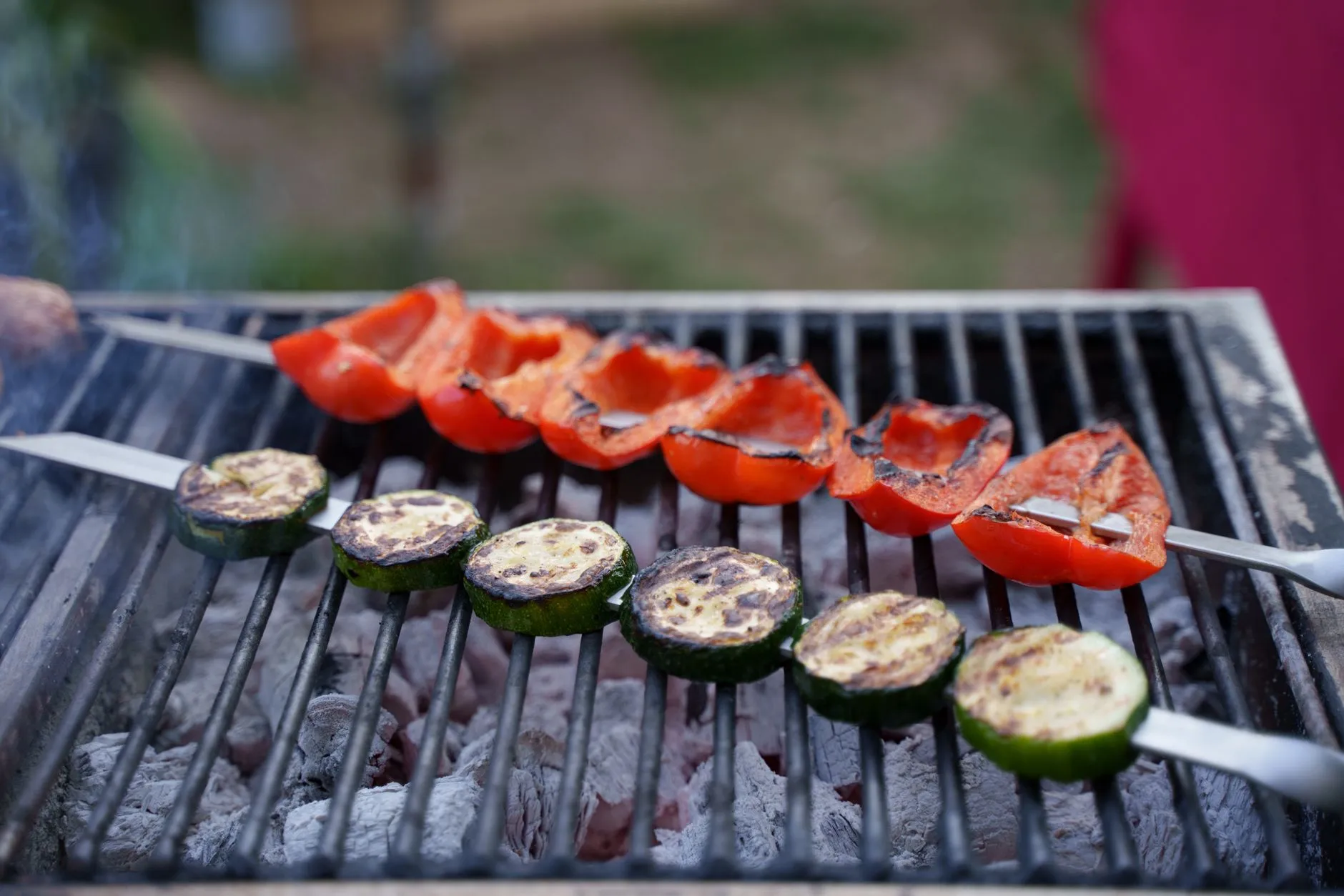
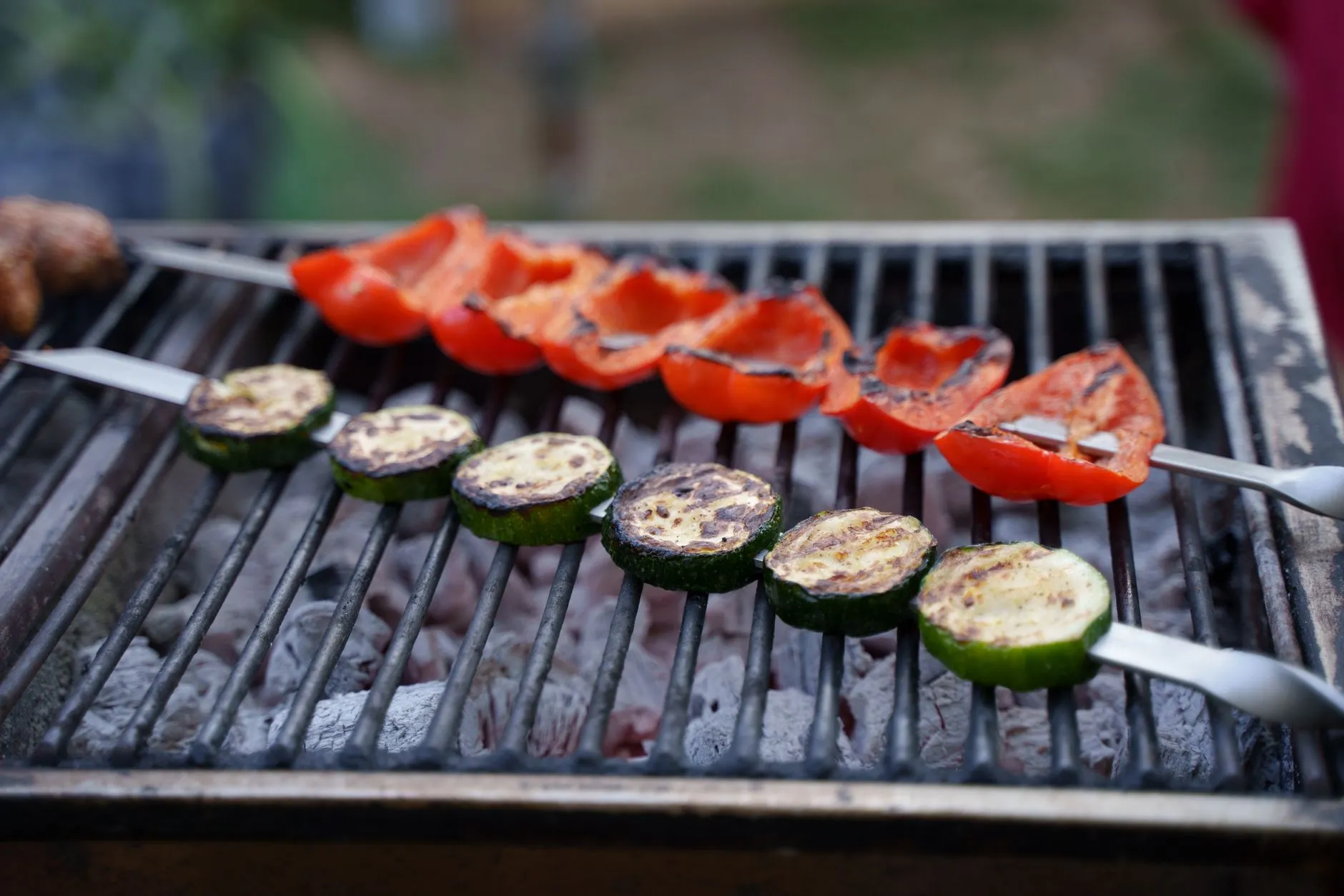
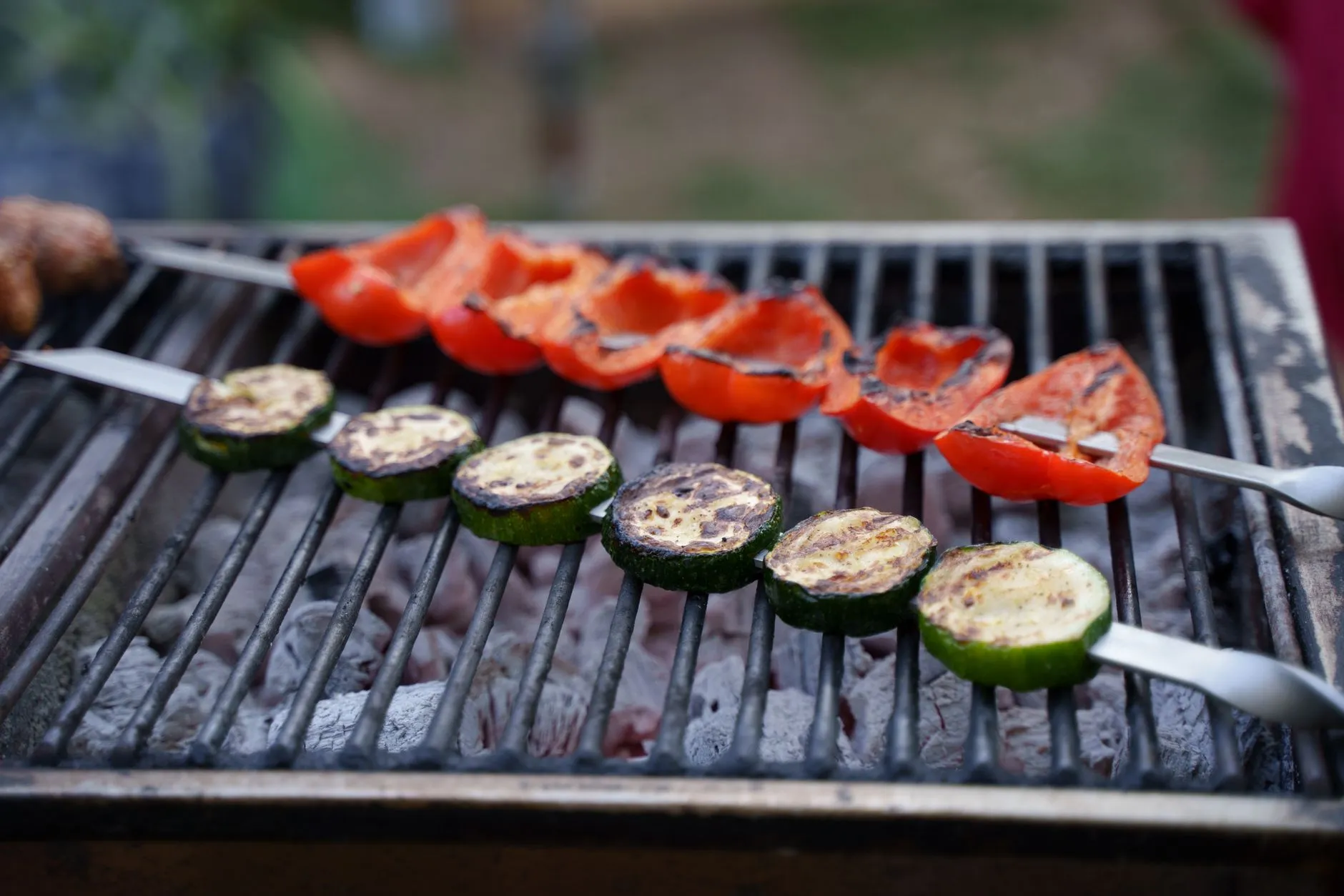
Today’s tip is simple—don’t be afraid to put cheese on the grill! Halloumi cheese has a high melting point, meaning it holds its shape while developing an irresistible, smoky exterior and a warm, chewy center. Thread cubes of halloumi onto skewers alternating with colorful bell peppers, red onions, and zucchini, then brush generously with extra virgin olive oil and oregano.
This method works wonders because it combines the protein-packed, salty goodness of cheese with antioxidant-rich, fiber-filled veggies. It is a foolproof way to satisfy your cravings while sticking closely to the wholesome principles of the Mediterranean diet. Looking for more quick meal ideas? Pair these skewers with a refreshing side like The Ultimate Guide to Mediterranean Chickpea Salad for a complete, nutrient-dense feast.
How to Implement This Tonight
Soaking your wooden skewers in water for 30 minutes prevents burning, while metal skewers conduct heat to cook the veggies evenly from the inside out. Grill over medium-high heat for about 8 to 10 minutes, turning occasionally until grill marks appear. For an extra zest of flavor inspired by our favorite recipes, you might even enjoy pairing these with the bright citrus notes found in The Ultimate Guide to Greek Lemon Chicken Bowls: H.
Nutrition Facts (Per Serving)
| Nutrient | Amount |
|---|---|
| Calories | 280 kcal |
| Protein | 14g |
| Total Fat | 20g |
| Carbohydrates | 9g |
| Fiber | 3g |
Call to Action
Ready to fire up the barbecue? Try these Grilled Halloumi Vegetable Skewers tonight and snap a photo of your vibrant creation. Tag us on social media, and don’t forget to subscribe to VitalityDish for more daily Mediterranean inspiration!
Why Halloumi and Vegetables Are a Match Made in Mediterranean Heaven
When it comes to elevating a standard weeknight dinner into something that feels like a sun-drenched taverna meal, few ingredients compare to halloumi cheese. Hailing originally from Cyprus, this semi-hard, unripened cheese is traditionally made from a blend of goat’s and sheep’s milk (though cow’s milk is also common today). What sets halloumi apart from almost every other cheese in the culinary world is its remarkably high melting point. Because of its unique protein structure, halloumi doesn’t melt into a puddle when exposed to direct heat; instead, it holds its shape while developing a delightfully golden, smoky exterior and a wonderfully squeaky, chewy interior.
Pairing halloumi with a colorful array of Mediterranean vegetables on a skewer is more than just a feast for the eyes—it is a nutritional powerhouse. Vegetables like bell peppers, zucchini, red onions, and cherry tomatoes are absolute staples of the Mediterranean diet. They are brimming with essential vitamins, minerals, and powerful antioxidants that help combat inflammation and support overall longevity. By threading these vibrant veggies alongside protein- and calcium-rich halloumi, you create a balanced bite that delivers sustained energy without weighing you down.
Furthermore, cooking these ingredients on skewers allows for a wonderful interplay of textures and flavors. As the vegetables caramelize over the flame, their natural sugars concentrate, offering a sweet counterpoint to the salty, savory punch of the cheese. A light brush of extra virgin olive oil—the undisputed liquid gold of the Mediterranean—ties everything together, helping to carry fat-soluble vitamins while imparting its own signature fruity notes and heart-healthy monounsaturated fats.
Mastering the Grill: Essential Tips for Skewer Perfection
Achieving restaurant-quality grilled halloumi skewers at home is entirely attainable, provided you keep a few culinary best practices in mind. The secret to success lies in preparation and temperature control. Here is how to ensure your skewers turn out perfectly charred on the outside and tender on the inside every single time:
- Soak Your Skewers: If you are using traditional wooden or bamboo skewers, make sure to submerge them in water for at least 30 minutes before assembling. This simple step prevents them from catching fire or burning to a crisp on a hot grill. Alternatively, invest in flat metal skewers, which have the added benefit of keeping the food from spinning when you try to flip them.
- Uniform Cutting is Key: Cut your halloumi and vegetables into roughly uniform sizes. Because hard cheese cooks at a different rate than soft vegetables, uniformity ensures that everything cooks evenly. Keep your halloumi chunks slightly thick—about half an inch to three-quarters of an inch thick—so they don’t dry out before the edges get that gorgeous golden sear.
- Mind the Moisture: Pat your halloumi dry with a paper towel before threading it onto the skewers. Excess surface moisture will create steam, preventing that desirable caramelized crust from forming. The same goes for washed vegetables; dry them thoroughly to ensure a true grill rather than a steam bath.
- Oil the Grates, Not Just the Food: While brushing your ingredients with extra virgin olive oil is a must, you should also ensure your grill grates are clean and lightly oiled just before cooking. Halloumi can occasionally be a bit sticky, and a well-prepped grate will make flipping effortless.
Flavor Boosters: Elevate Your Skewers with Mediterranean Herbs and Dips
While halloumi and grilled vegetables are undeniably delicious on their own, the true magic of Mediterranean cooking lies in how you dress and finish a dish. Taking your skewers from simple to spectacular takes just a few moments and a handful of fresh, aromatic ingredients.
Before throwing your skewers onto the heat, consider giving them a quick dust of dried oregano and a crack of black pepper. Oregano is a quintessential Mediterranean herb that pairs exceptionally well with the salty profile of halloumi. For an extra citrusy kick, grate a little lemon zest directly over the vegetables just as they begin to sizzle.
Once your skewers come off the grill, elevate them with a vibrant finishing touch:
- Herbaceous Drizzle: Whip up a quick chimichurri or herb oil using finely chopped fresh mint, parsley, and garlic, whisked together with robust extra virgin olive oil and a splash of fresh lemon juice. Mint, in particular, has a cooling, refreshing property that cuts through the rich, savory nature of the cheese.
- The Sauce Pairing: Serve your warm skewers alongside a bowl of homemade tzatziki—a traditional Greek dip made from strained yogurt, grated cucumber, garlic, and dill. The cool, creamy tang of the yogurt provides a wonderful temperature and flavor contrast to the hot, smoky skewers.
- A Touch of Acid: A final squeeze of fresh lemon juice right before serving wakes up all the flavors, making the olive oil taste brighter and balancing the natural saltiness of the halloumi.
Frequently Asked Questions About Grilled Halloumi
Can you make halloumi skewers ahead of time?
You can definitely prep, chop, and thread your halloumi and vegetables onto the skewers a few hours in advance, then store them covered in the refrigerator until you are ready to cook. However, we recommend waiting to apply any salt or fresh citrus juice until right before they hit the grill, as salt can draw out moisture from the vegetables and make them soggy.
What can I use if I cannot find halloumi cheese?
If halloumi is unavailable at your local grocery store, the best substitute is Mediterranean **queso blanco** or **paneer** (Indian cottage cheese). Both of these cheeses share halloumi’s unique ability to withstand high heat without melting completely. Keep in mind that paneer is much milder and less salty than halloumi, so you may want to give it a brief marinade in olive oil, lemon, and salt to boost the flavor profile.
How do I store and reheat leftover grilled skewers?
If you have leftovers, remove the food from the wooden skewers and store it in an airtight container in the refrigerator for up to 3 days. To reheat, skip the microwave—which can make the halloumi rubbery—and instead warm them gently in a dry skillet over medium-low heat or in a toaster oven until heated through. They make a fantastic, protein-packed addition to cold grain bowls or salads the next day!