Extra Virgin Olive Oil vs Avocado Oil Science
Olive vs Avocado Oil: Science for Heart Health
Welcome back to VitalityDish, your ultimate online destination for wholesome living and Mediterranean wellness! When it comes to fueling our bodies, choosing the right cooking oils can feel like a complex puzzle. Today, we are diving deep into the science behind Heart-Healthy Fats: Extra Virgin Olive Oil vs Avocado Oil Science to help you make the best choice for your cardiovascular system and your kitchen. While both culinary staples are packed with monounsaturated fatty acids (MUFAs), they each bring unique biochemical benefits to your table. Before you whip up your next meal, you might want to check out our Mediterranean Meal Prep Mastery: The 2-Hour Guide to streamline your cooking process.
The Science of Heart-Healthy Fats: Extra Virgin Olive Oil vs Avocado Oil Science

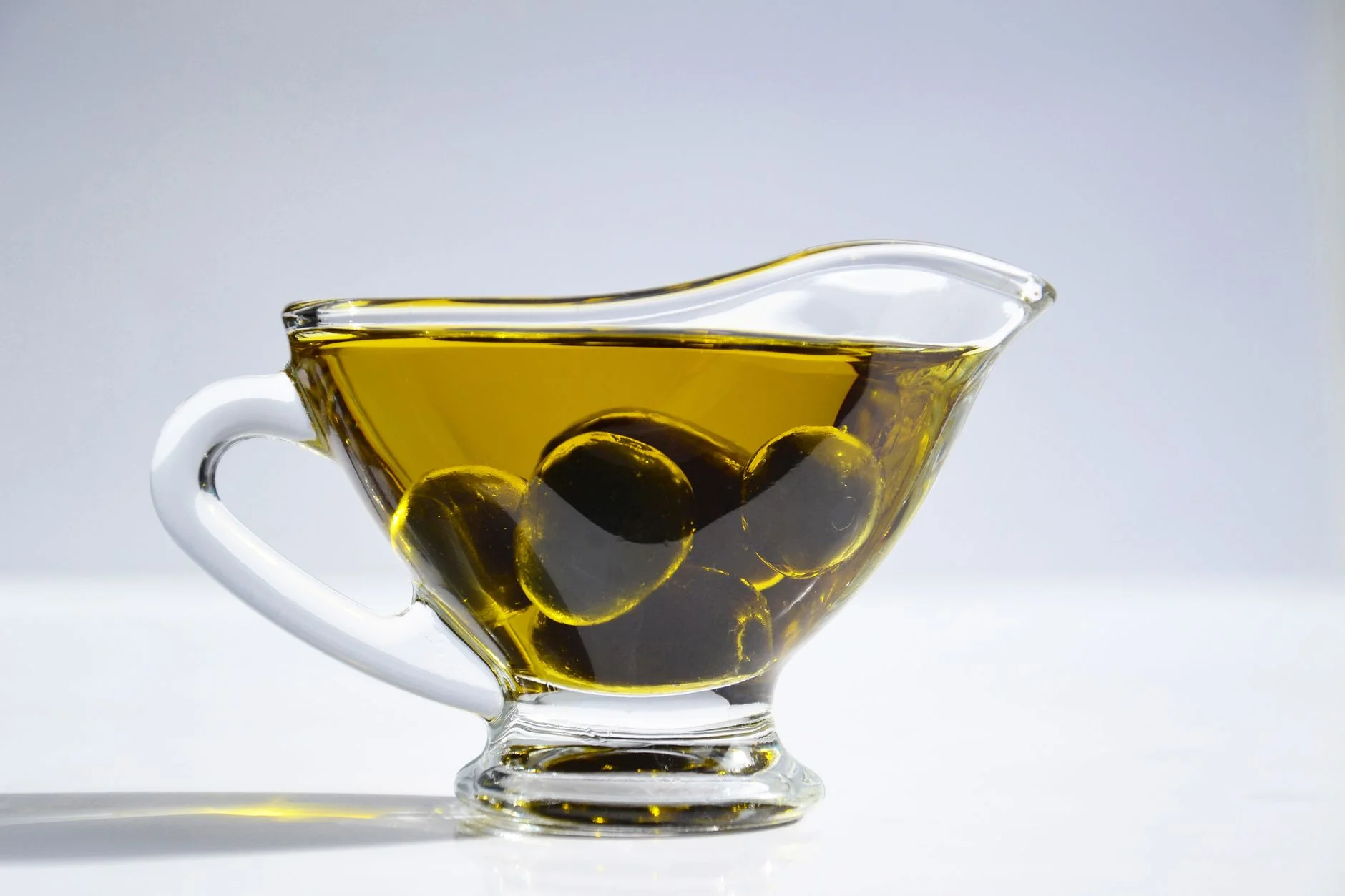
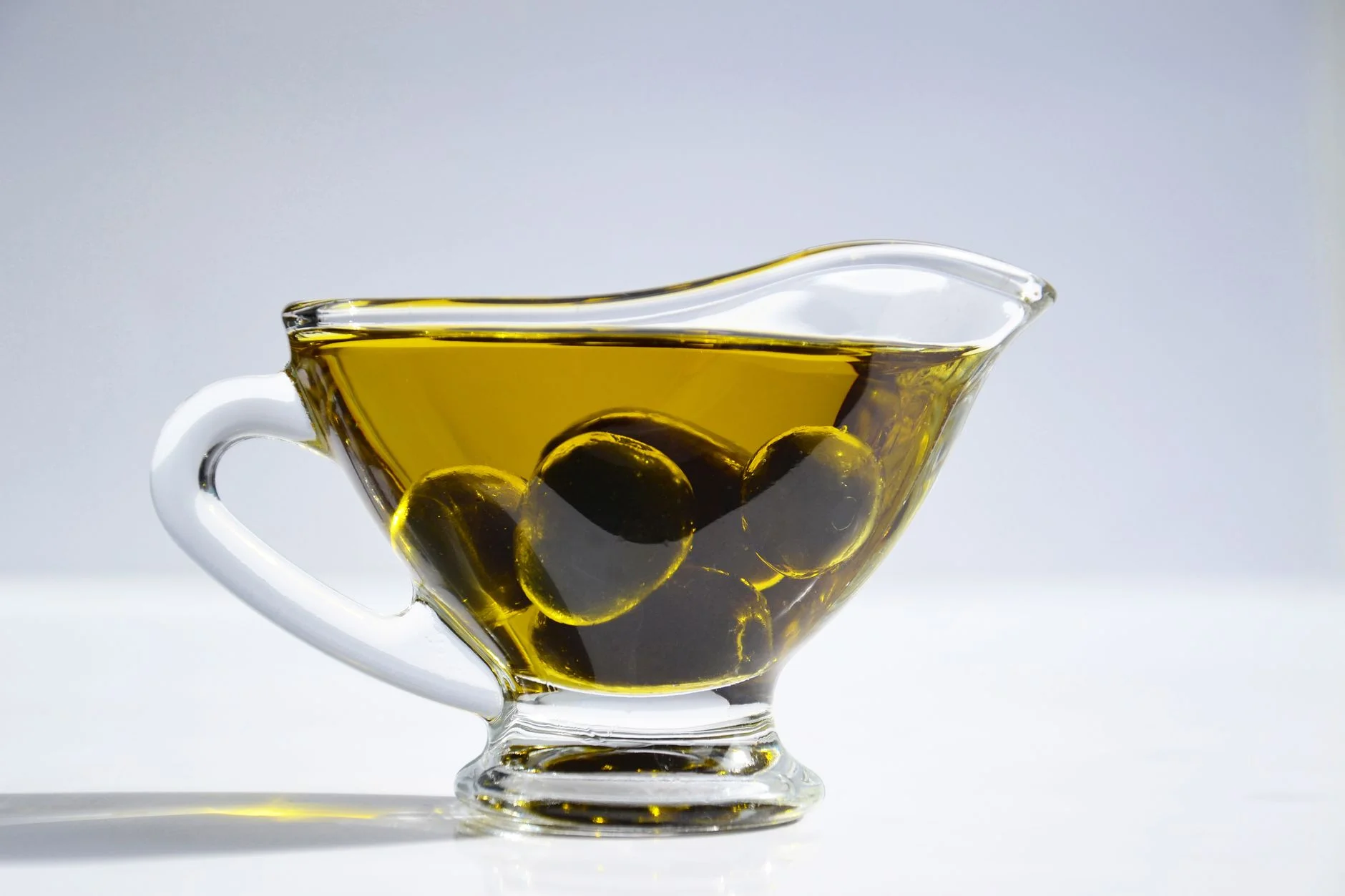
To truly understand how these oils impact our cardiovascular wellness, we have to look closely at their molecular profiles. Both extra virgin olive oil (EVOO) and avocado oil are celebrated for lowering LDL cholesterol and reducing systemic inflammation. However, their antioxidant structures and smoke points differ significantly.
EVOO is a staple of the traditional Mediterranean diet, rich in potent polyphenols like oleocanthal, which act as powerful natural anti-inflammatories. If you want to dive deeper into this golden elixir, read our guide on Extra Virgin Olive Oil: Protect Arteries Fast. On the other hand, unrefined avocado oil boasts a remarkably high smoke point and is rich in vitamin E and lutein, making it fantastic for high-heat cooking without sacrificing lipid integrity.
Fat Profile and Smoke Point Comparison

Let’s break down the nutritional differences and physical properties of these two heavy hitters in a quick reference table:
| Nutritional Metric | Extra Virgin Olive Oil | Avocado Oil (Unrefined) |
|---|---|---|
| Primary Fat Type | Monounsaturated (Oleic Acid ~70-80%) | Monounsaturated (Oleic Acid ~70%) |
| Smoke Point | Moderate (~350°F to 410°F) | High (~480°F to 520°F) |
| Key Antioxidants | Oleocanthal, Hydroxytyrosol | Vitamin E, Lutein, Phytosterols |
| Best Culinary Use | Dressings, low-to-medium heat sautéing | Searing, roasting, high-heat cooking |
Cardiovascular Benefits and Metabolism
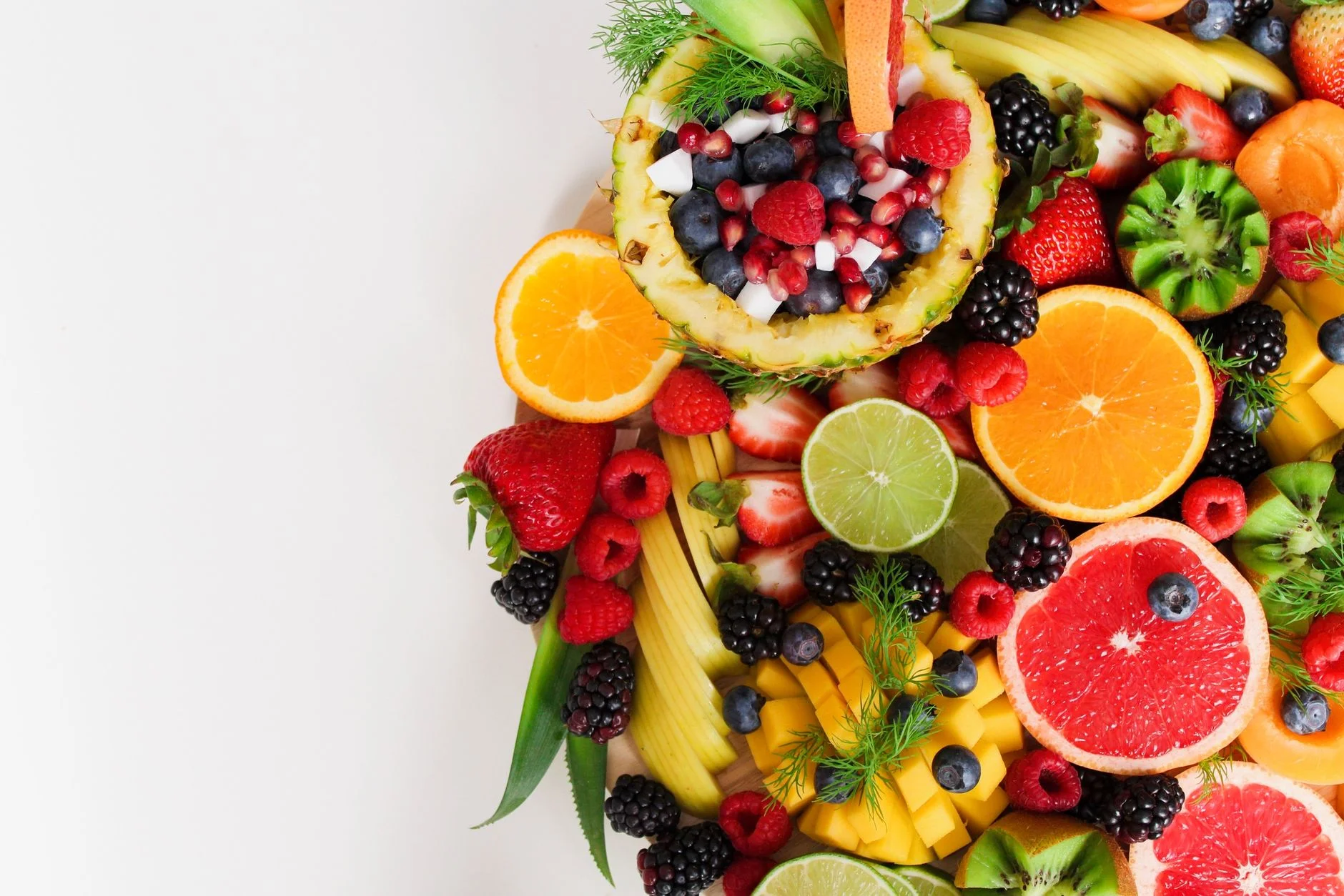
Incorporating these heart-healthy fats into your daily routine does wonders for your metabolic health. Just as balancing your electrolytes is crucial—learn more about that in our Potassium-Sodium Balance: A Heart-Healthy Recipe—pairing the right dietary fats with whole foods enhances nutrient absorption. Monounsaturated fats help transport fat-soluble vitamins (A, D, E, and K) while supporting optimal endothelial function.
Frequently Asked Questions

Which oil is better for high-heat cooking?
Avocado oil is generally better for high-heat cooking methods like searing or roasting due to its remarkably high smoke point (up to 520°F), which prevents the oil from breaking down into harmful free radicals.
Can I substitute avocado oil for extra virgin olive oil in dressings?
Yes, you can! However, extra virgin olive oil provides that signature, robust, peppery flavor profile that defines authentic Mediterranean cuisine, whereas avocado oil has a much more neutral, buttery taste.
Do both oils support heart health equally?
Both oils are exceptionally rich in oleic acid and monounsaturated fats, which are scientifically proven to support cardiovascular health. EVOO edges out slightly in polyphenol content, while avocado oil wins on versatility at higher temperatures.
Conclusion

Understanding the nuances of Heart-Healthy Fats: Extra Virgin Olive Oil vs Avocado Oil Science empowers you to stock your pantry with purpose. By utilizing EVOO for its unmatched antioxidant punch and avocado oil for its high-heat resilience, you create a balanced, heart-smart culinary approach. Stay tuned to VitalityDish for more evidence-based nutritional insights and delicious recipes!