How to Use Fresh Herbs to Elevate Simple Meals
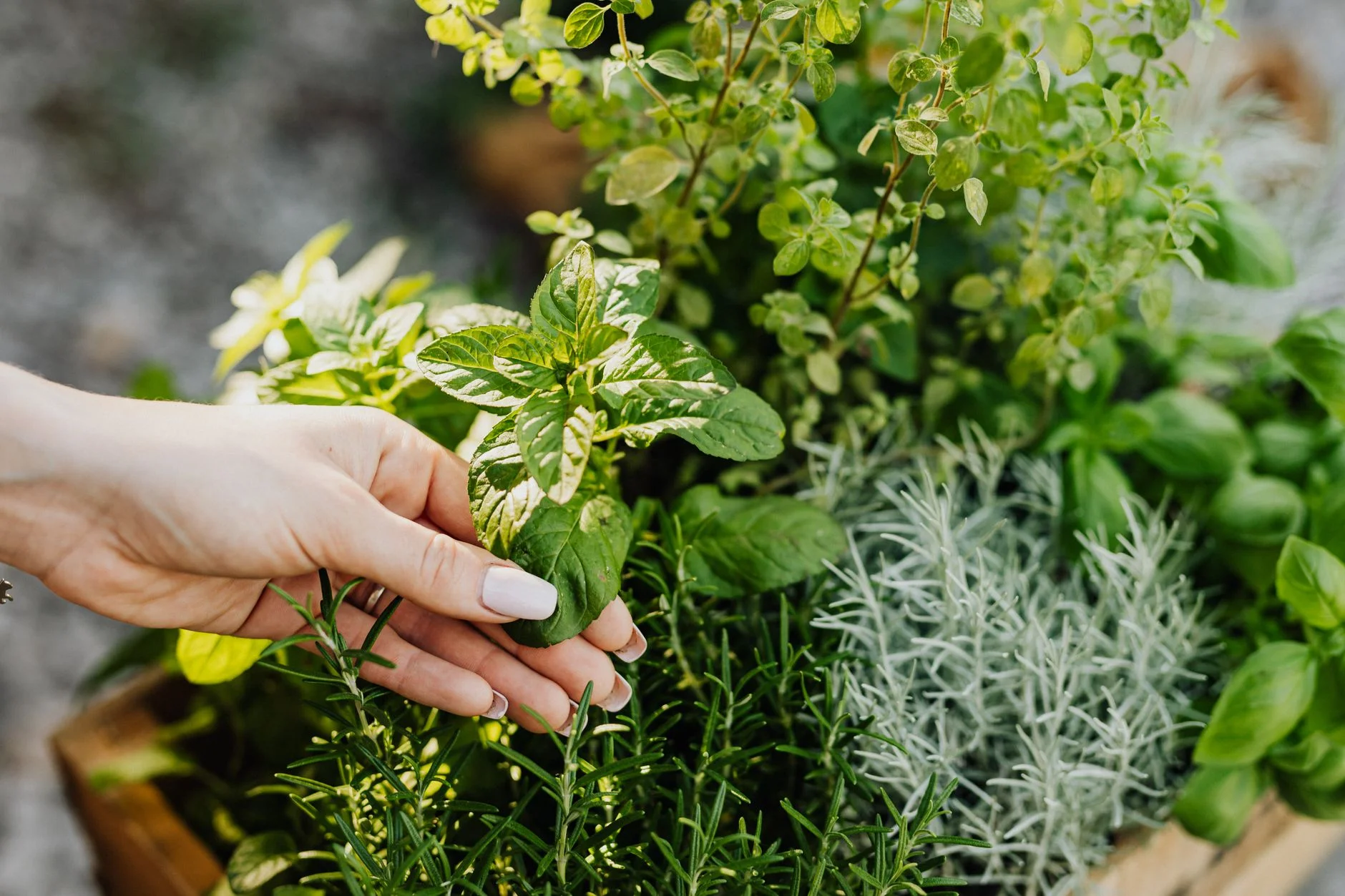
If you want to transform a basic weeknight dinner without adding extra salt or heavy sauces, keeping a few botanical ingredients on hand is the most reliable method in the kitchen. When you dive into Fresh Herbs 101: How to Elevate Simple Meals with Basil, Mint, and Oregano, you quickly realize that these flavorful plants do much more than garnish a restaurant plate. They provide distinct aroma, volatile oils, and bright color that lift everyday cooking. According to culinary traditions across the Mediterranean, tender and robust leaves are treated as fundamental building blocks rather than afterthoughts, bridging the gap between simple home cooking and vibrant flavor.
In this article
Understanding Basil, Mint, and Oregano
Each of these three culinary staples brings a unique chemical composition and flavor profile to the cutting board. Knowing how their essential oils behave under heat helps you decide whether to toss them into a hot pan or scatter them over a finished dish at the table.
Sweet Basil
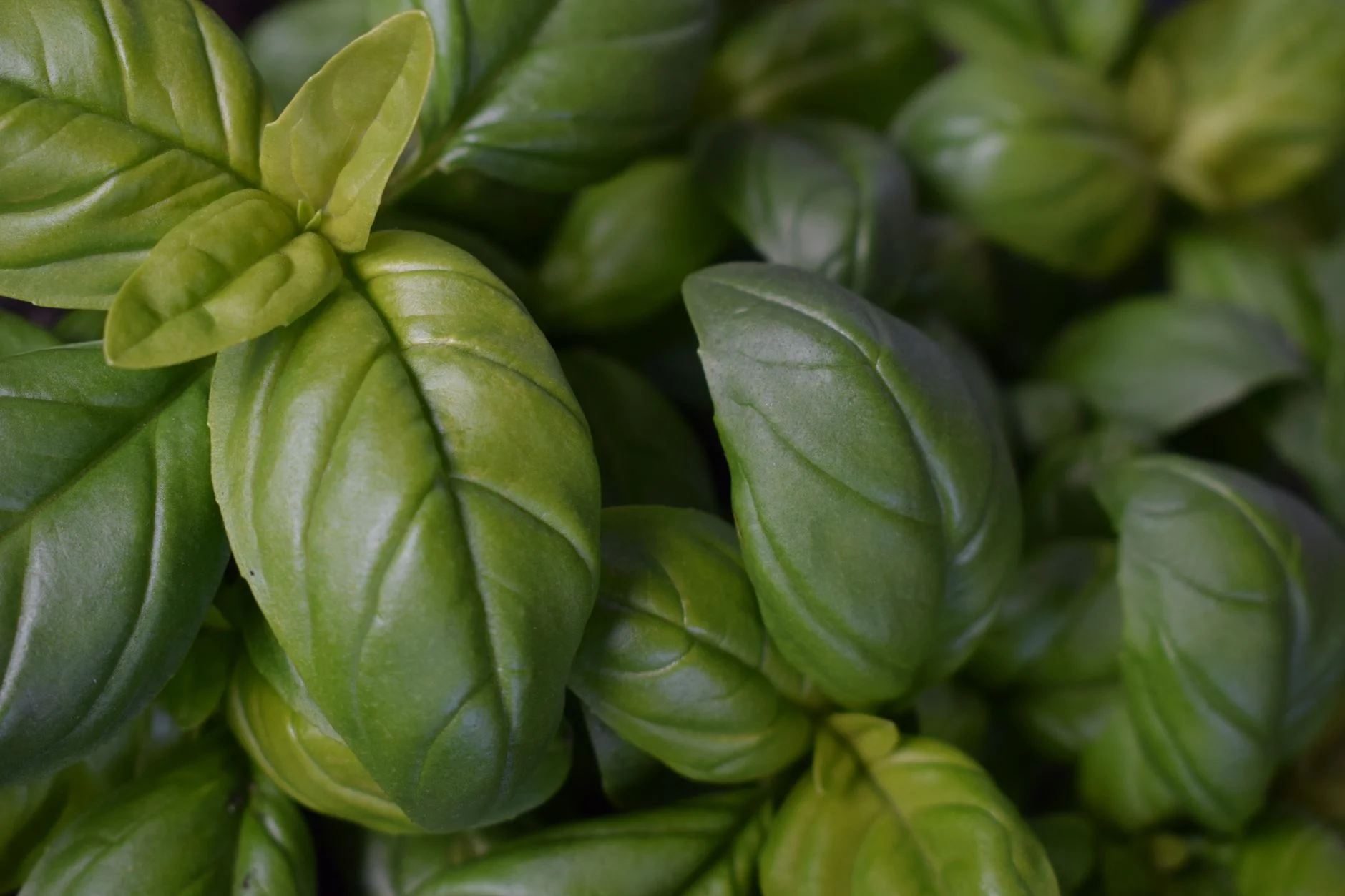
Basil belongs to the mint family (*Lamiaceae*) and features broad, tender leaves with a sweet, slightly peppery aroma driven by compounds like linalool and eugenol. Because its aromatic compounds degrade quickly under high heat, basil is best used raw or added at the very end of cooking. It forms the backbone of classic pestos, pairs naturally with ripe tomatoes and extra virgin olive oil (explore more in our Olive Oil Types and Uses: Complete Guide), and adds a fragrant lift to light grain salads.
Garden Mint
Mint is defined by its cooling menthol content, which stimulates cold-sensitive receptors on the tongue. This makes it an ideal counterpart to rich, earthy, or spicy ingredients. In Mediterranean and Middle Eastern cooking, mint cuts through the richness of lamb, elevates fresh vegetable salads, and infuses cold drinks. Unlike basil, mint can stand up reasonably well to tearing and muddling, though prolonged boiling will dull its bright, fresh notes.
Piquant Oregano
Oregano is a sturdy, sun-loving herb packed with robust phenolic compounds such as carvacrol and thymol, which give it a pungent, earthy, and slightly bitter bite. Unlike tender basil, oregano holds up exceptionally well to heat. Cooking activates its deep savory notes, making it an indispensable partner for roasted vegetables, grilled proteins, and tomato-based sauces. For a deeper dive into herb utilization, read How to Use Fresh Herbs in Everyday Mediterranean Cooking.
Nutritional Profile of Fresh Herbs

While fresh herbs are typically consumed in small quantities, they contribute concentrated micronutrients and plant compounds to your daily meals. The American Heart Association notes that incorporating herbs and spices into your cooking is a practical strategy for reducing sodium intake without sacrificing flavor.
| Herb (1/4 cup, fresh) | Notable Micronutrients | Culinary Role |
|---|---|---|
| Basil | Vitamins A, K, and C; trace iron | Raw finishing, pesto, light salads |
| Mint | Folate, Vitamin A, iron | Beverages, raw salads, yogurt sauces |
| Oregano | Vitamins K and E, calcium, manganese | Long-simmered dishes, roasting, marinades |
Health Benefits and Evidence

Research suggests that the bioactive compounds found in culinary herbs—such as rosmarinic acid in oregano and flavonoids in basil—exhibit antioxidant properties in laboratory settings. According to observational studies reviewed by public health institutions, a diet rich in plant foods is associated with overall metabolic and cardiovascular support. Furthermore, utilizing aromatic plants as a replacement for sodium aligns with guidance from the American Heart Association for maintaining healthy blood pressure levels.
How to Store and Prep Fresh Herbs

Proper storage prevents wilting and extends the usable life of your market purchases:
- Basil: Store stems trimmed in a jar of room-temperature water on the kitchen counter, loosely covered with a plastic bag. Never refrigerate basil, as cold temperatures cause the cellular walls to collapse, turning the leaves black.
- Mint and Oregano: Wrap washed and thoroughly dried stems in a slightly damp paper towel, seal inside a breathable container or produce bag, and store in the refrigerator crisper drawer.
Herb-Infused Mediterranean Lemon-Oregano Chicken Skewers

This simple weeknight recipe highlights the savory depth of fresh oregano paired with bright lemon and olive oil, serving as a flavorful centerpiece for a balanced meal.
- Prep Time: 15 minutes
- Cook Time: 12 minutes
- Total Time: 27 minutes
- Servings: 4
Ingredients
- 1.5 lbs boneless, skinless chicken breasts, cut into 1.5-inch chunks
- 3 tablespoons extra virgin olive oil
- 3 tablespoons fresh oregano leaves, finely chopped
- 2 cloves garlic, minced
- Juice and zest of 1 large lemon
- 1/2 teaspoon kosher salt
- 1/4 teaspoon freshly ground black pepper
- Wooden or metal skewers (soak wooden skewers in water for 30 minutes prior)
Instructions
- In a mixing bowl, combine the extra virgin olive oil, minced garlic, lemon juice, lemon zest, chopped fresh oregano, salt, and black pepper.
- Add the cubed chicken pieces to the bowl, tossing thoroughly until every piece is evenly coated in the marinade. Let sit at room temperature for 15 minutes to absorb the flavors.
- Preheat your grill or grill pan over medium-high heat (approximately 375°F to 400°F).
- Thread the marinated chicken chunks evenly onto the prepared skewers, leaving a small space between each piece to ensure even cooking.
- Place the skewers on the hot grill. Cook for 10 to 12 minutes, turning occasionally, until the chicken is lightly charred on the outside.
- Insert a food thermometer into the thickest part of the chicken to verify that the internal temperature reaches a safe minimum of 165°F (74°C).
- Transfer the cooked skewers to a clean platter, let rest for 3 minutes, and serve warm with an extra scattering of fresh oregano or mint leaves.
Food Safety Tips

- Keep raw poultry refrigerated at or below 40°F (4°C) until immediately before preparation.
- Wash cutting boards, counters, and utensils thoroughly with hot soapy water after handling raw poultry to prevent cross-contamination.
- Always use a calibrated digital food thermometer to verify that poultry reaches an internal temperature of 165°F (74°C).
- Refrigerate leftovers promptly in shallow airtight containers and use them within 3 to 4 days.
Tips & Substitutions
If you prefer a different protein, this marinade works equally well with firm tofu cubes or cubed lamb leg. When assembling weeknight meals, remember that exploring Top 10 Superfoods for Energy and Vitality can offer additional ways to boost everyday nutrition.
Nutrition information: Not calculated. Nutritional values can vary depending on ingredient brands, portion sizes, and preparation methods.
Frequently Asked Questions
Should fresh herbs be washed before storing?
Generally, it is best to wash herbs right before you plan to use them. Excess moisture trapped on the leaves during storage accelerates spoilage and encourages mold growth, especially for tender leaves like basil and mint.
Can I use herb stems in cooking?
Thick, woody stems from herbs like oregano can be tossed into the pot while simmering soups or stocks to impart flavor, then removed before serving. Tender stems from basil and mint can be finely chopped and included directly in dressings or pestos.
Can fresh herbs be frozen for later use?
Yes, though their texture will soften upon thawing. A popular method is to finely chop robust herbs like oregano, pack them into ice cube trays, cover them with extra virgin olive oil, and freeze. These herb cubes can be dropped straight into warm skillets for future cooking.
Further reading from trusted sources
مقال مرتبط: Mediterranean Sea Salt: Why Your Healthy Meals Need It
مقال مرتبط: How to Stay Active Throughout Your Workday Without a Gym
مقال مرتبط: Why Eating a Rainbow Enhances Daily Vitality: A Guide
مقال مرتبط: How to Cook Farro, Quinoa & Bulgur Every Day