How to Cook Farro, Quinoa & Bulgur Every Day
Ancient Grains Decoded: Farro, Quinoa, and Bulgur in Everyday Cooking
Search intent: Informational and Recipe. When home cooks look into ancient grains, they often encounter a wall of culinary terminology—emmer, spelt, saponins, crack-wheat grades—that makes everyday preparation feel intimidating. This guide cuts through the noise, breaking down what farro, quinoa, and bulgur actually are, how they behave on the stove, and how to fit them into weekly meal prep without fuss.
In this article
Farro, quinoa, and bulgur bring distinct textures, nutty flavors, and varying cooking dynamics to the kitchen. Understanding these three ingredients transforms them from pantry curiosities into reliable staples for grain bowls, quick weeknight soups, and warm salads.
What Are Ancient Grains?
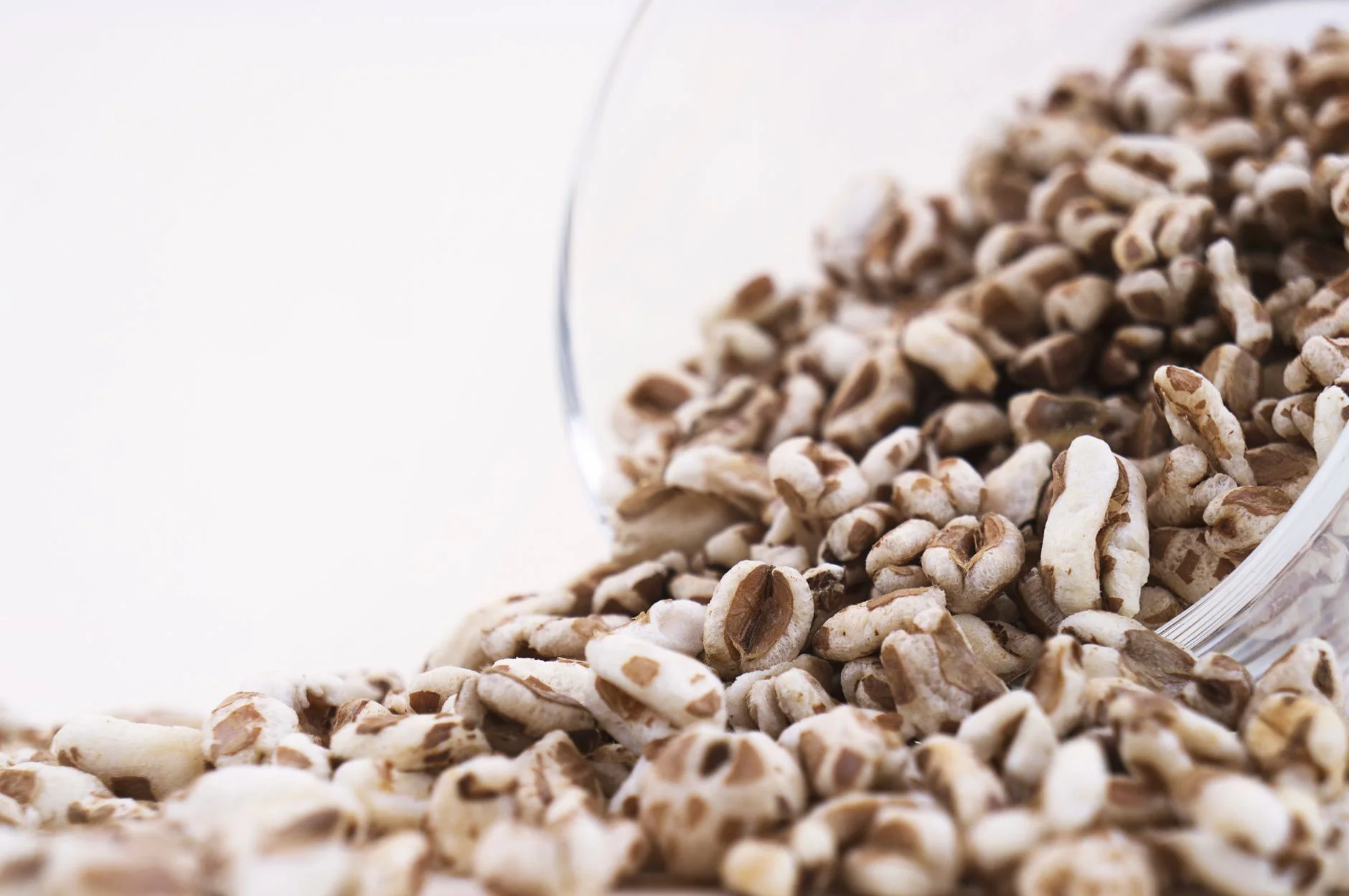
The term “ancient grains” broadly refers to cereal grains that have largely remained unchanged over centuries of selective breeding, unlike modern high-yield wheat. While the label carries marketing appeal, the practical advantage lies in their diverse culinary profiles and varied nutrient contents. Incorporating them alongside staples like 10 Creative Ways to Cook with Chickpeas and Lentils broadens the textural landscape of plant-forward cooking.
To see how these ingredients compare in basic kitchen applications, let us look at their structural differences:
- Farro: An Italian wheat grain with a chewy, al dente bite reminiscent of barley. It holds its shape exceptionally well in dressings and broths.
- Quinoa: Technically a pseudocereal (a seed cooked like a grain), originating from the Andean region. It cooks in about 15 minutes and offers a light, fluffy texture.
- Bulgur: Cracked whole-wheat groats that have been parboiled, dried, and ground. Because it is pre-steamed, fine grades soak up boiling water in minutes, while coarser grinds simmer into hearty pilafs.
Nutritional Profile

Nutrition information: Not calculated. Nutritional values can vary depending on ingredient brands, portion sizes, and preparation methods. However, observational data and food science registries indicate that unrefined grains generally provide complex carbohydrates and dietary fiber. According to the American Heart Association, replacing refined grains with whole-grain alternatives is associated with cardiovascular health benefits when integrated into an overall balanced dietary pattern.
Farro: The Nutty Italian Staple
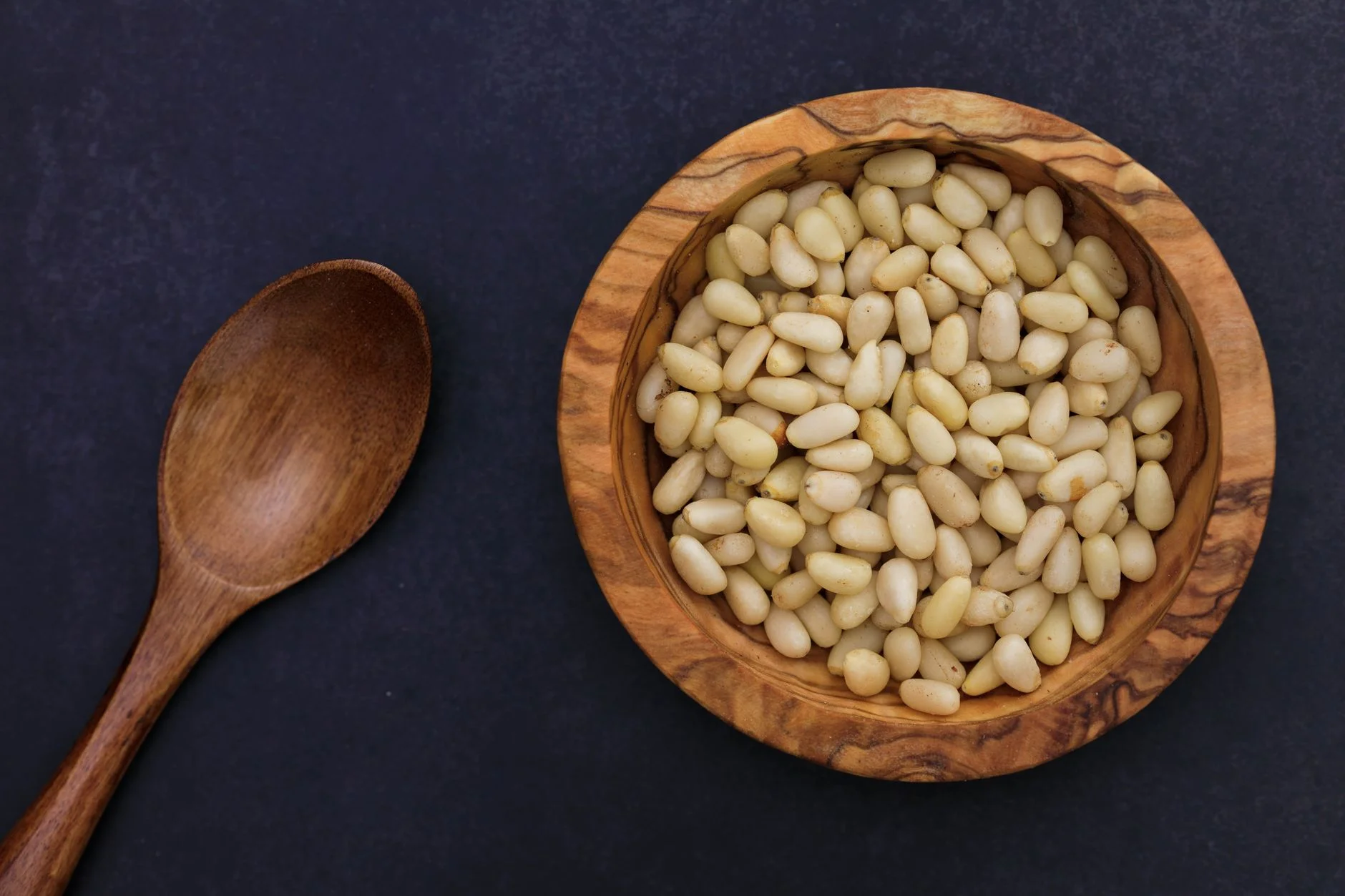
Farro actually encompasses three distinct wheat species: einkorn (*farro piccolo*), emmer (*farro medio*), and spelt (*farro grande*). In most Western supermarkets, bags labeled simply “farro” contain emmer. It has a robust, nutty flavor and a satisfying chew that makes it a favorite in Mediterranean-inspired winter soups and summer grain salads.
When cooking farro, you have two primary methods: the absorption method (simmering with a measured amount of water until absorbed) or the pasta method (boiling it in a large pot of salted water and draining the excess). The pasta method is virtually foolproof because you never have to worry about the grain scorching on the bottom of the pot.
Quinoa: The Quick-Cooking Andean Seed
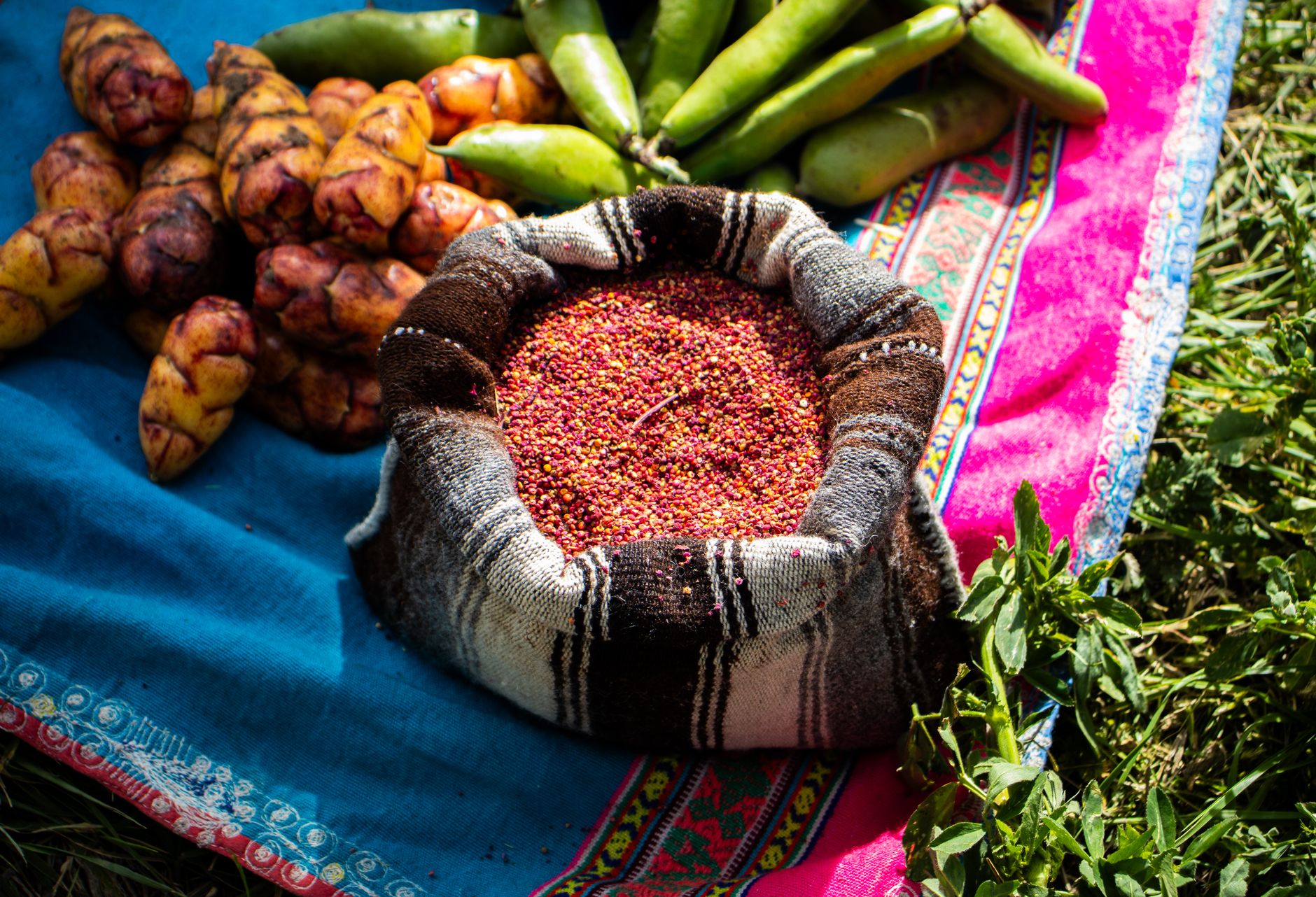
Quinoa stands apart because it is a complete plant protein source, meaning it supplies all nine essential amino acids. Before cooking, it is wise to rinse quinoa in a fine-mesh strainer to remove saponins—naturally occurring chemical compounds on the seed’s outer coating that can impart a bitter or soapy taste.
Pairing cooked quinoa with heart-healthy fats, such as a drizzle from our guide on Olive Oil Types and Uses: Complete Guide, creates balanced dishes that keep you sustained through busy afternoons.
Bulgur: The Speed Champion

Bulgur is uniquely suited for rapid weeknight meal assembly. Because the wheat groats are steamed during processing, fine bulgur requires nothing more than soaking in boiling water for 15 minutes—no stove required. Coarse bulgur benefits from a brief 12-to-15-minute simmer, making it an ideal base for pilafs and grain bowls.
Storage Tips

Raw whole grains should be stored in airtight containers in a cool, dark, and dry pantry. Because whole grains contain natural oils in their germ layers, warm or humid environments can cause them to go rancid over several months. Cooked grains should be cooled rapidly, placed in sealed containers, and refrigerated promptly. Refrigerate leftovers promptly and use them within 3 to 4 days.
Recipe: Mediterranean-Inspired Warm Farro and Quinoa Bowl
This hearty bowl combines the chewy texture of farro with the light fluffiness of quinoa, tossed with fresh herbs and a bright lemon dressing. While this specific recipe is vegetarian, you can easily top it with grilled chicken or roasted fish.
Prep time: 15 minutes
Cook time: 30 minutes
Total time: 45 minutes
Servings: 4
Ingredients
- 1/2 cup semi-pearled farro, rinsed
- 1/2 cup white quinoa, rinsed thoroughly
- 2 cups low-sodium vegetable broth (or water)
- 1 cup boiling water (for the quinoa method)
- 1 cup cherry tomatoes, halved
- 1 medium cucumber, diced
- 1/4 cup kalamata olives, pitted and sliced
- 2 tbsp extra-virgin olive oil
- 1 tbsp fresh lemon juice
- 1 clove garlic, minced
- 1/4 cup chopped fresh parsley (see How to Use Fresh Herbs in Everyday Mediterranean Cooking for more herb pairing ideas)
- Salt and freshly ground black pepper to taste
Instructions
- Cook the farro: Combine the farro and vegetable broth in a medium saucepan. Bring to a boil, reduce heat to low, cover, and simmer for 25 to 30 minutes until tender yet chewy. Drain any excess liquid.
- Cook the quinoa: In a separate small saucepan, combine the rinsed quinoa with 1 cup of water and a pinch of salt. Bring to a boil, cover, reduce heat to low, and simmer for 15 minutes. Remove from heat and let steam covered for 5 minutes, then fluff with a fork.
- Make the dressing: In a small bowl, whisk together the extra-virgin olive oil, fresh lemon juice, minced garlic, salt, and black pepper.
- Assemble the bowls: In a large mixing bowl, combine the cooked farro, cooked quinoa, cherry tomatoes, cucumber, olives, and fresh parsley.
- Dress and serve: Pour the dressing over the grain mixture and toss gently until well combined. Divide among four bowls and serve warm or at room temperature.
Tips
- For deeper flavor, toast the dry farro in a dry skillet for 3 minutes before adding the broth.
- Substitute lemon juice with red wine vinegar for a sharper tang.
Substitutions
- Bulgur can replace quinoa if you prefer a wheat-based grain; simply soak fine bulgur or simmer coarse bulgur according to package directions.
- Add crumbled feta cheese or roasted chickpeas for extra texture.
Storage Guidance
Refrigerate leftovers promptly in an airtight container and use them within 3 to 4 days.