Charred Eggplant Baba Ganoush: 5 Healthy Ways to Serve It
Charred Eggplant Baba Ganoush: A Smoky Mediterranean Dip Routine
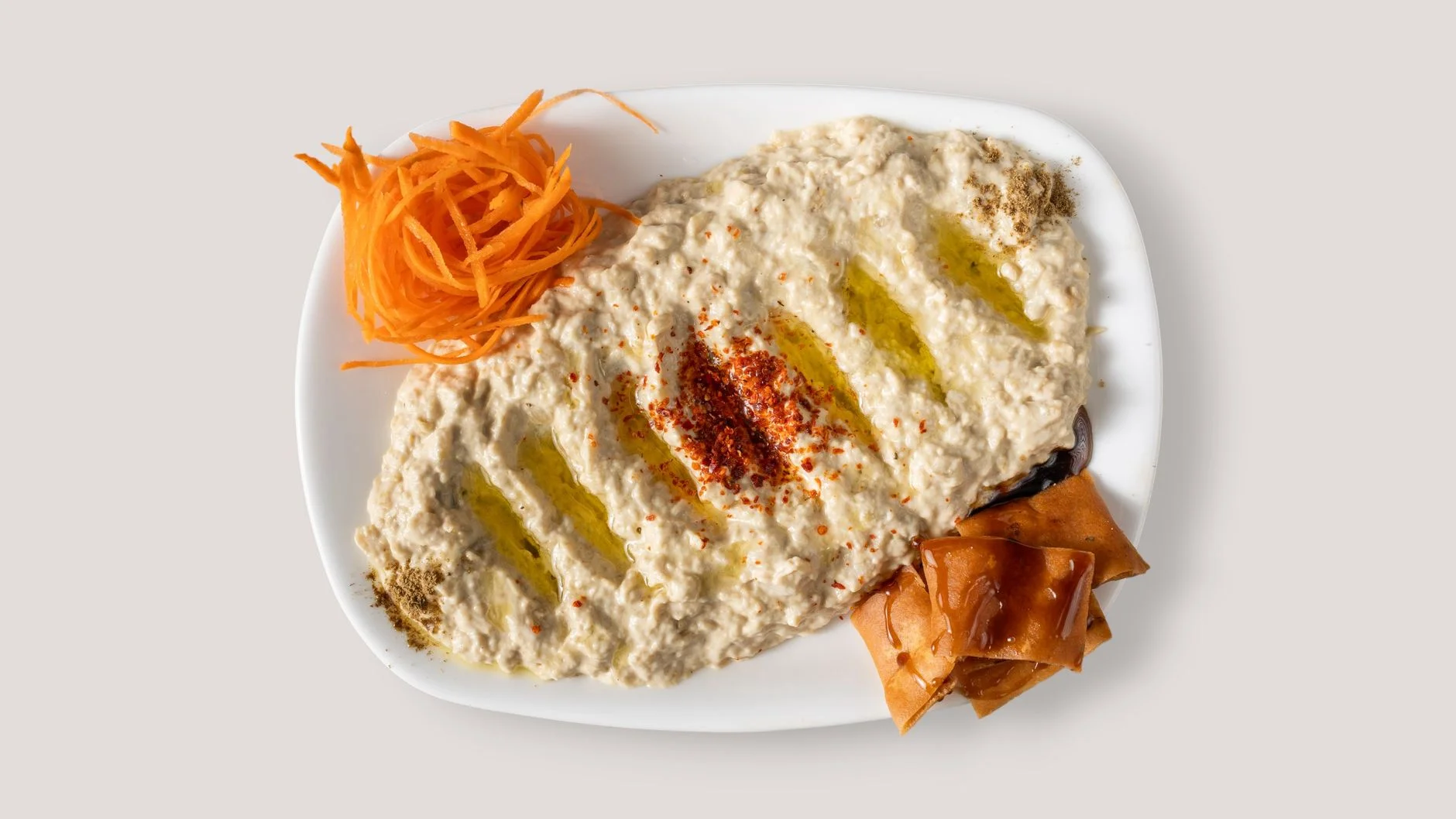
If you love rich, savory dips that carry the essence of open-flame cooking, mastering Charred Eggplant Baba Ganoush is a rewarding culinary skill to add to your kitchen routine. Unlike smooth chickpea-based spreads, this classic Mediterranean-inspired dip relies on roasting whole eggplants until their skins blacken completely, infusing the tender flesh inside with a deep, smoky flavor. Paired with garlic, tahini, lemon juice, and olive oil, it transforms humble produce into a velvety texture that anchors any mezze platter.
In this article
In this guide, we will break down the preparation like a functional movement workout—moving from the kitchen warm-up to the core roasting technique, finishing with proper cooling, storage, and a few practical serving ideas that fit seamlessly into how you plan meals.
The Kitchen Warm-Up: Mise en Place and Tool Check

Before turning on the heat, gather your ingredients and equipment. Proper preparation prevents kitchen friction and ensures smooth execution.
- 2 medium globe eggplants (about 1.5 pounds total)
- 1/4 cup quality tahini (sesame paste)
- 2 tablespoons fresh lemon juice (adjust to taste)
- 1 to 2 cloves garlic, finely minced or grated
- 1/4 cup extra virgin olive oil, plus extra for drizzling
- 1/2 teaspoon kosher salt (or to taste)
- 1 tablespoon chopped fresh flat-leaf parsley (optional garnish)
- Optional: a pinch of ground cumin or smoked paprika
Tools needed: A gas burner, broiler, or outdoor grill for charring; a baking sheet lined with foil; a mixing bowl; and a fork or potato masher.
Main Kitchen Routine: Charring, Blending, and Refining
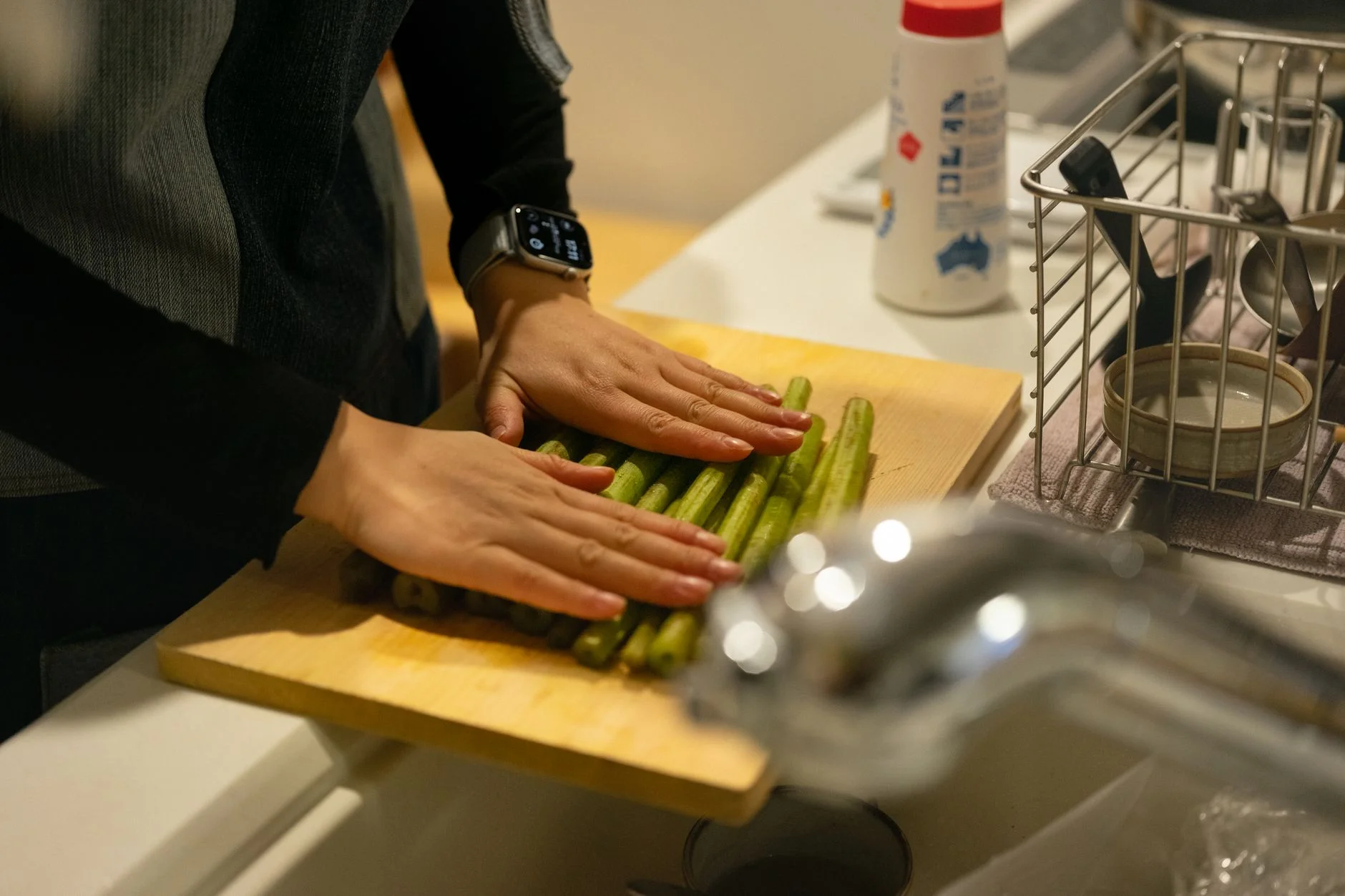
Treat this cooking process like a structured strength routine. Each phase requires specific attention to detail to achieve the ideal balance of smoke, acidity, and creaminess.
Phase 1: The Char (Sets & Reps: High Heat Exposure)
The defining characteristic of true baba ganoush is carbonization on the outside, which steams and softens the interior. Pierce your eggplants in several places with a fork to allow steam to escape safely during heating.
- Method A (Gas Stovetop): Place the whole eggplants directly onto the open flame of a gas burner over medium-high heat. Using metal tongs, turn every 4 to 5 minutes until the skin is entirely charred and blistered, and the flesh yields completely to gentle pressure (about 15 to 20 minutes).
- Method B (Broiler): Place the pierced eggplants on a foil-lined baking sheet and broil 4 inches from the heat source, turning every 7 minutes, until the skin is blackened and the fruit is completely soft throughout (about 25 to 30 minutes).
Phase 2: Draining and Peeling (Recovery Phase)
Transfer the charred eggplants to a colander set inside a bowl and let them rest for 15 minutes. This cooling period lets you handle them safely while allowing excess, bitter moisture to drain away. Once cool enough to handle, peel away the blackened skin under a thin stream of cool running water. Pull out any tough stem pieces, then let the drained pulp sit in the colander for another 5 minutes.
Phase 3: The Whip (Integration)
Place the drained eggplant pulp onto a cutting board and chop it coarsely with a knife, or mash it directly in a bowl with a fork for a rustic, traditional texture. In a separate small bowl, whisk the tahini and fresh lemon juice together vigorously until it thickens and turns pale—adding a tablespoon of ice water here can help emulsify the mixture. Stir in the minced garlic, salt, and mashed eggplant. Slowly drizzle in the extra virgin olive oil while stirring until fully incorporated.
The Cool-Down and Serving Routine

Allow the finished dip to rest at room temperature for 15 minutes to let the flavors meld before serving. Drizzle with a generous circle of extra virgin olive oil and scatter fresh parsley or a pinch of smoked paprika over the top.
If you are assembling a full Mediterranean spread, this dip pairs wonderfully alongside fresh vegetables, warm whole-grain pita, or as a savory side dish next to How to Make Crispy Baked Falafel in 30 Minutes. For a lighter accompaniment, consider pairing it with 7 Zesty Lemon Herb Marinated Artichoke Heart Salads to balance the smoky depth with bright citrus notes.
Weekly Meal Prep and Scheduling
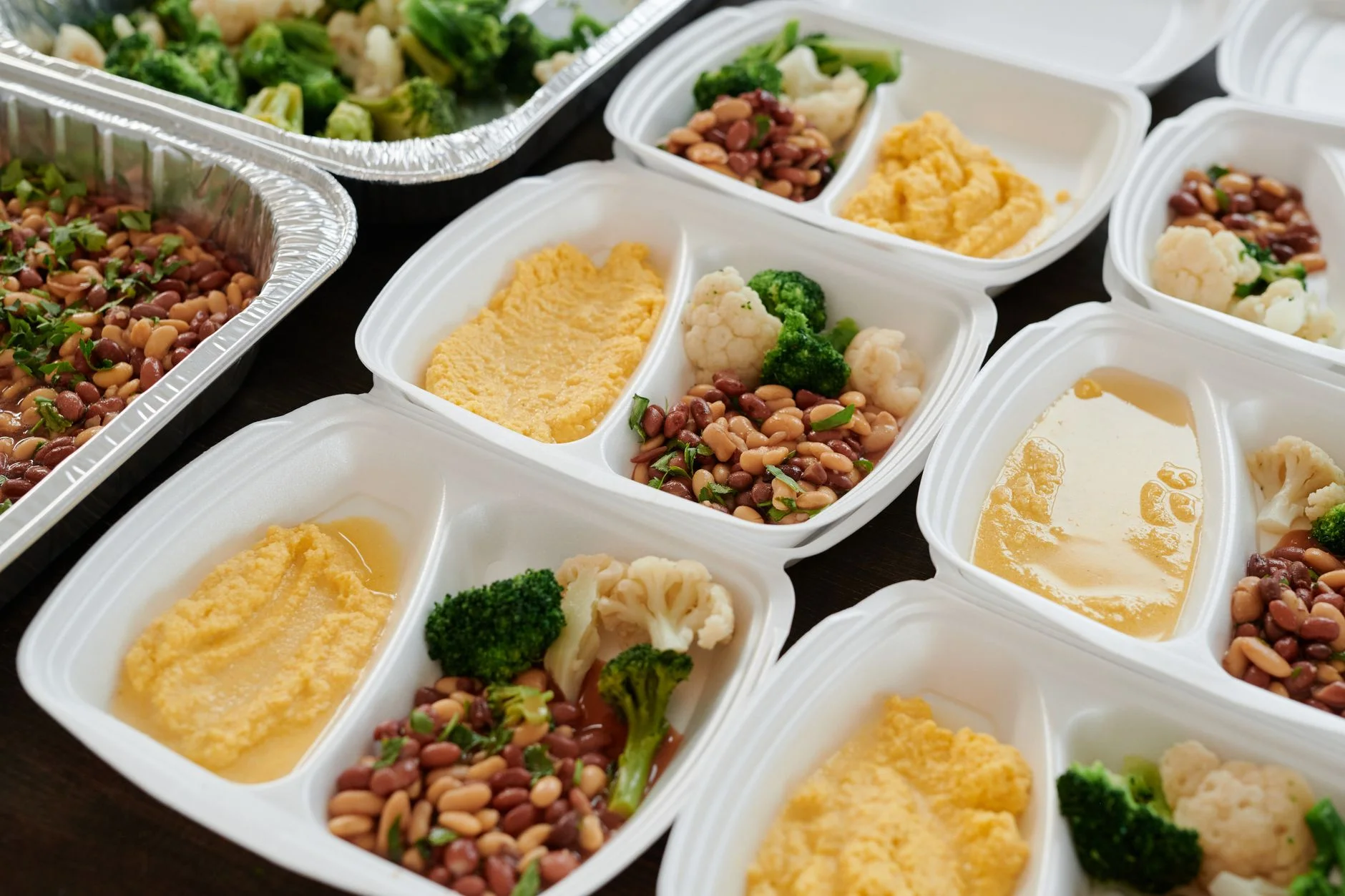
Planning ahead makes healthy cooking manageable on busy weekdays. Here is how to integrate this recipe into your weekly rhythm:
- Sunday Prep: Roast a double batch of eggplants while you prep other staples, like grain bowls or roasted vegetables. Store the peeled pulp or finished dip in the refrigerator.
- Midweek Refresh: Use leftover baba ganoush as a spread on whole-grain wraps, as a savory sandwich spread in place of mayonnaise, or as a nutrient-dense base for roasted protein and greens.
Chef’s Practical Tips
- Adjusting the garlic: Raw garlic can taste sharp; if you prefer a milder flavor, let the minced garlic sit in the lemon juice for 10 minutes before mixing it into the tahini to soften its bite.
- Texture preference: For a silky restaurant-style texture, you can pulse the ingredients briefly in a food processor, though a hand-mashed version preserves a more pleasant rustic bite.
Charred Eggplant Baba Ganoush Recipe
A smoky, rich Mediterranean-inspired dip made from fire-roasted eggplants, creamy tahini, fresh lemon juice, and garlic.
- Prep time: 15 minutes
- Cook time: 25 minutes
- Total time: 40 minutes
- Servings: 4 servings
Ingredients
- 2 medium globe eggplants (about 1.5 lbs)
- 1/4 cup quality tahini
- 2 tablespoons fresh lemon juice
- 1-2 cloves garlic, finely minced
- 1/4 cup extra virgin olive oil, plus extra for serving
- 1/2 teaspoon kosher salt
- 1 tablespoon fresh flat-leaf parsley, chopped
Instructions
- Pierce the whole eggplants several times with a fork to vent steam during cooking.
- Char the eggplants over an open gas flame or under a broiler, turning frequently until the skin is entirely blackened and the flesh inside is completely tender (15–30 minutes depending on the method).
- Transfer the charred eggplants to a colander set inside a bowl and let rest for 15 minutes to cool and drain bitter liquids.
- Peel away the charred skin under cool running water, discarding the skin and stems. Allow the drained pulp to sit for another 5 minutes.
- Chop the eggplant pulp coarsely with a knife or mash it with a fork in a mixing bowl.
- In a small bowl, whisk the tahini and lemon juice together until thick. Stir in the minced garlic and salt.
- Combine the tahini mixture with the mashed eggplant, then slowly stir in the extra virgin olive oil until smooth.
- Transfer to a serving bowl, drizzle with olive oil, garnish with parsley, and serve.
Tips
If you notice the eggplant has a very watery interior after draining, gently squeeze the pulp in a clean kitchen towel to remove excess liquid before mixing.
Substitutions
If tahini is unavailable, sunflower seed butter can provide a similar nutty richness, though the flavor profile will shift slightly.
Storage Guidance
Refrigerate leftovers promptly and use them within 3 to 4 days. Store in an airtight glass container with a thin layer of olive oil on top to prevent browning.
Nutrition information: Not calculated. Nutritional values can vary depending on ingredient brands, portion sizes, and preparation methods.
مقال مرتبط: Mediterranean Sea Salt: Why Your Healthy Meals Need It
مقال مرتبط: How to Stay Active Throughout Your Workday Without a Gym
مقال مرتبط: Why Eating a Rainbow Enhances Daily Vitality: A Guide
مقال مرتبط: How to Cook Farro, Quinoa & Bulgur Every Day