Extra Virgin Olive Oil: Protect Arteries Fast
EVOO & Heart Health: Unlock Nitric Oxide
Welcome back to VitalityDish, your go-to corner for Mediterranean living! Today’s daily tip focuses on cardiovascular wellness and a fascinating molecular process: Unlocking Nitric Oxide: How Extra Virgin Olive Oil Protects Your Arteries. If you want to keep your blood vessels flexible and strong, your daily drizzle of liquid gold is doing heavy lifting behind the scenes.
Last updated: September 30, 2026.
In this article
- EVOO & Heart Health: Unlock Nitric Oxide
- Unlocking Nitric Oxide: How Extra Virgin Olive Oil Protects Your Arteries
- The Polyphenol Powerhouse: How Antioxidants Shield Your Endothelium
- Culinary Strategies: Maximizing EVOO Benefits in Your Daily Meals
- Frequently Asked Questions About Extra Virgin Olive Oil
Unlocking Nitric Oxide: How Extra Virgin Olive Oil Protects Your Arteries
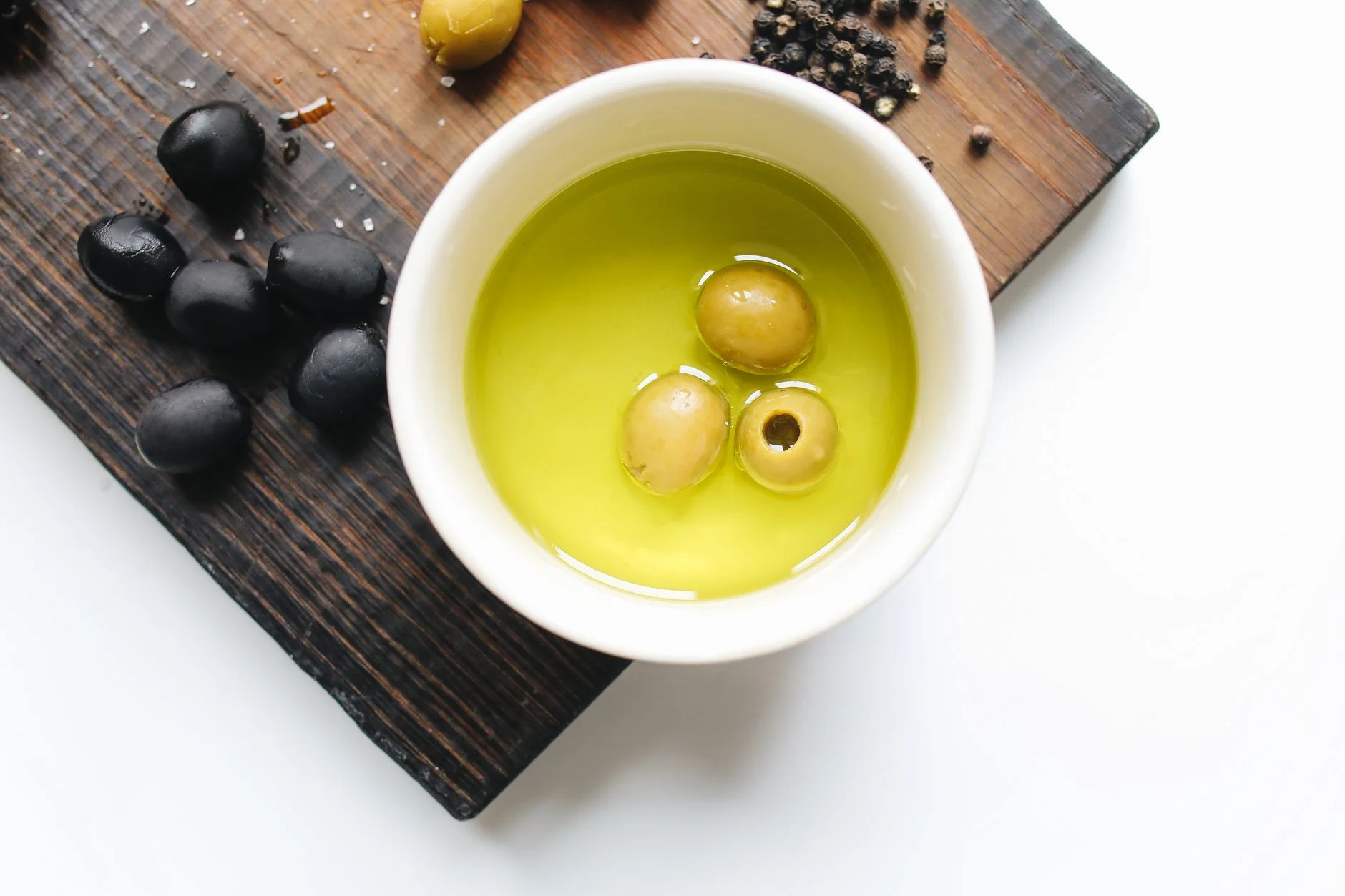
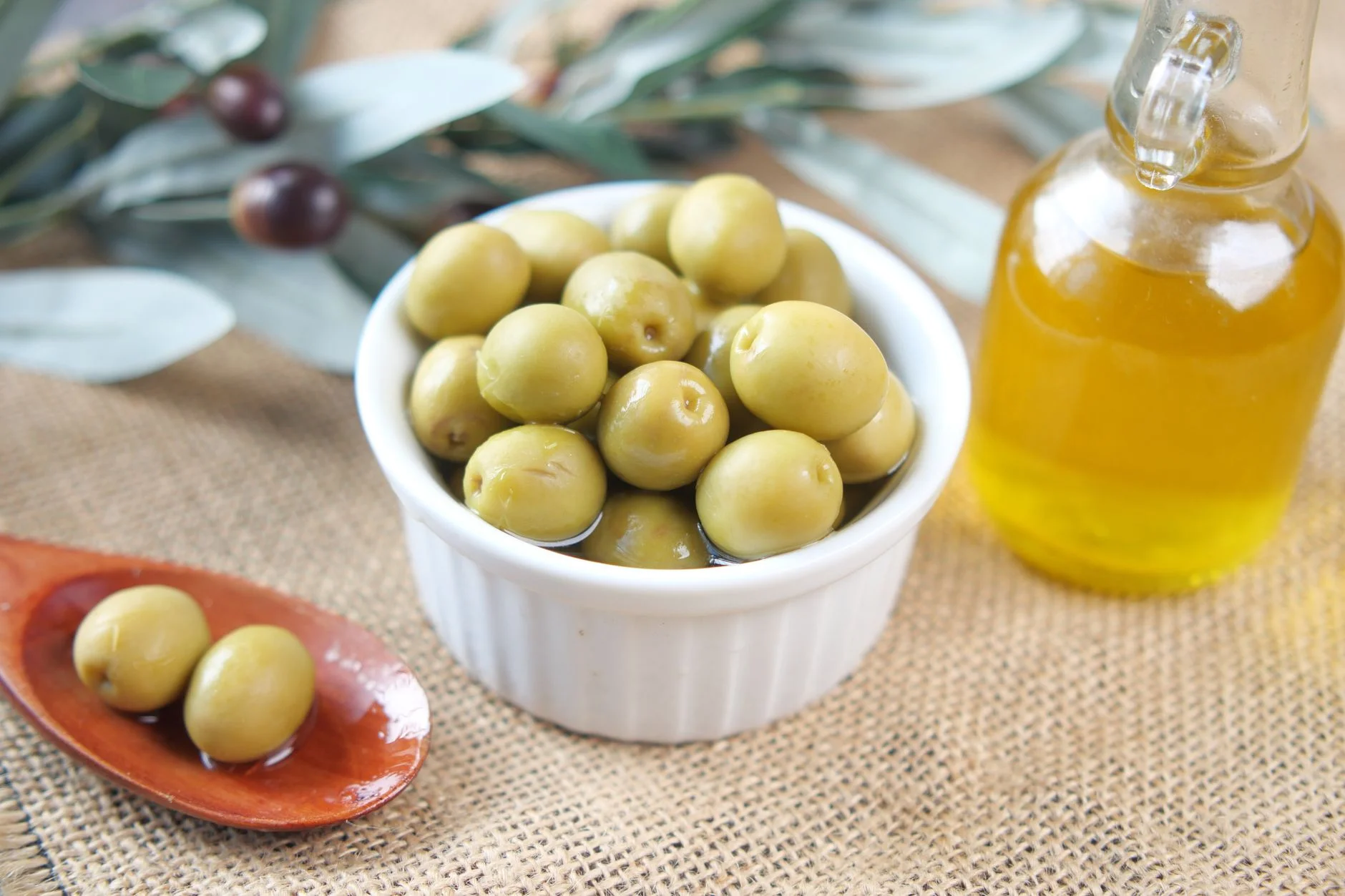
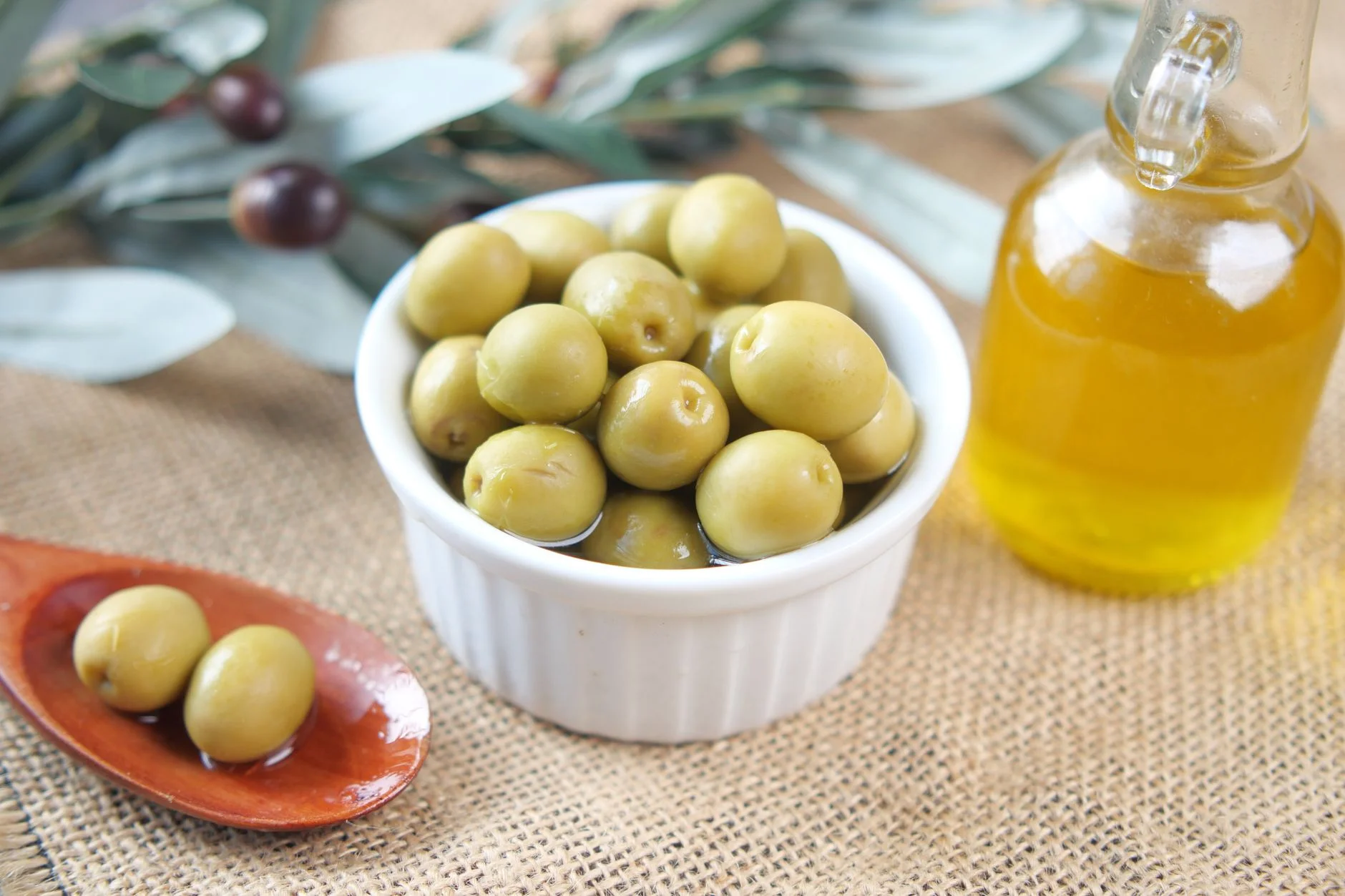
Here is your daily wellness tip: consume at least one to two tablespoons of high-phenol extra virgin olive oil (EVOO) raw every day. When you focus on unlocking nitric oxide: how extra virgin olive oil protects your arteries, you tap into a powerful natural defense mechanism that supports optimal blood flow and long-term heart health.
Why This Cardiovascular Habit Works
Nitric oxide is a crucial signaling molecule produced by your endothelium (the inner lining of your blood vessels) that tells your arteries to relax and dilate. High-quality EVOO is packed with potent antioxidants like oleocanthal and polyphenol compounds. These powerful plant nutrients prevent free radicals from destroying your body’s natural nitric oxide supply. Pairing your EVOO with lycopene-rich foods can further Protect Your Arteries with This Tomato Recipe for a double dose of vascular protection. For a complete cardiovascular routine, you can also explore Why Omega-3 Rich Seafood Protects Your Heart alongside your daily olive oil habit.
| Nutrient / Compound | Primary Benefit for Arteries |
|---|---|
| Polyphenols | Fight oxidative stress and preserve nitric oxide levels |
| Oleic Acid (Omega-9) | Supports healthy endothelial function and blood pressure |
| Vitamin E | Prevents cellular damage within blood vessel walls |
How to Implement This Daily Tip
Getting more raw EVOO into your routine is deliciously simple. Drizzle it over your morning avocado toast, whisk it into a homemade lemon-herb vinaigrette, or finish a warm bowl of soup just before serving. To complement your physical wellness, you might even pair your healthy meal prep with Journaling Your Way to Inner Peace the Mediterranean Way way to lower daily stress hormones that impact blood pressure.
Ready to Transform Your Heart Health?
Small daily habits lead to vibrant, lifelong vitality. Head over to your kitchen pantry, grab a bottle of your favorite cold-pressed extra virgin olive oil, and start nourishing your cardiovascular system today. Don’t forget to subscribe to VitalityDish for more daily Mediterranean diet tips!
The Polyphenol Powerhouse: How Antioxidants Shield Your Endothelium
While the healthy fats in extra virgin olive oil lay the essential foundation for cardiovascular wellness, its micronutrients truly set it apart from other cooking oils. Extra virgin olive oil is exceptionally rich in potent polyphenols, including oleocanthal, oleuropein, and hydroxytyrosol. These powerful antioxidant and anti-inflammatory compounds act as cellular bodyguards, actively defending your cardiovascular system from daily oxidative stress.
Every single day, your arterial walls face threats from free radicals, environmental toxins, and metabolic byproducts that cause cellular damage and systemic inflammation. Left unchecked, this oxidative stress degrades the endothelium—the delicate inner lining of your blood vessels—paving the way for plaque buildup, arterial stiffening, and high blood pressure. The polyphenols in authentic extra virgin olive oil neutralize these free radicals before they can inflict damage.
Research demonstrates that regular consumption of polyphenol-rich extra virgin olive oil significantly reduces circulating inflammatory markers like C-reactive protein (CRP) and interleukins. By cooling systemic inflammation, these plant compounds help keep your blood vessels pliable, smooth, and resilient. Furthermore, oleocanthal mimics the anti-inflammatory action of ibuprofen naturally, offering gentle, continuous protection to your entire cardiovascular network without any of the adverse side effects associated with pharmaceutical pain relievers.
Culinary Strategies: Maximizing EVOO Benefits in Your Daily Meals
Incorporating extra virgin olive oil into your daily routine is one of the most delicious ways to upgrade your heart health, but maximizing its medicinal benefits requires a few smart culinary habits. Quality matters immensely when it comes to olive oil. To reap the highest concentration of protective polyphenols, always choose cold-pressed, extra virgin olive oil packaged in dark glass bottles or opaque tins that shield the delicate oil from light and heat degradation.
A common misconception is that extra virgin olive oil should never be used for cooking. In reality, high-quality EVOO has a remarkably stable smoke point (around 374°F to 410°F) thanks to its high monounsaturated fat content and rich antioxidant profile, making it completely suitable for everyday sautéing, roasting, and light frying. In fact, studies show that cooking Mediterranean vegetables like tomatoes, garlic, and onions in EVOO actually enhances the bioavailability of the fat-soluble nutrients in both the oil and the vegetables.
To ensure you get a robust therapeutic dose, aim for the traditional Mediterranean standard of about two to four tablespoons per day. Here are some simple, highly effective ways to hit your daily target:
- Drizzle a generous tablespoon over your morning avocado toast, eggs, or savory oatmeal.
- Create a vibrant, polyphenol-packed salad dressing by whisking EVOO with fresh lemon juice, Dijon mustard, and minced garlic.
- Finish warm soups, roasted grain bowls, and steamed vegetables with a raw post-cooking drizzle to preserve the volatile, delicate aromatic compounds.
- Swap out processed butter and seed oils for EVOO when baking rustic whole-grain breads or roasting root vegetables.
- Enjoy a high-end EVOO straight off the spoon or paired with crusty sourdough bread as a mindful afternoon snack.
Frequently Asked Questions About Extra Virgin Olive Oil
Does cooking extra virgin olive oil destroy its heart-healthy antioxidants?
While gentle to moderate heat does cause a minor reduction in certain volatile polyphenols, high-quality extra virgin olive oil remains remarkably stable during normal cooking temperatures because its rich antioxidant matrix protects the healthy fats from rapid oxidation. To capture 100% of the raw polyphenol content, use a standard cooking oil for hot pans and reserve your finest, most robust extra virgin olive oil for cold applications like dressings, dips, and finishing drizzles.
How can I tell if my extra virgin olive oil is authentic and high quality?
True, authentic extra virgin olive oil should feature a harvest date on the bottle rather than just an expiration date, as olive oil degrades over time and is best consumed within 12 to 18 months of harvest. When tasting high-polyphenol EVOO, look for three sensory indicators: fruitiness in the aroma, a pleasant bitterness on the tongue, and a distinctive peppery throat tickle or slight cough-inducing kick at the back of the throat caused by the beneficial compound oleocanthal.
Can consuming extra virgin olive oil help with weight management while protecting my heart?
Absolutely. Although olive oil is calorie-dense, the healthy monounsaturated fats and potent bioactive compounds trigger satiety hormones like GLP-1 and CCK, helping you feel fuller and more satisfied for longer periods after eating. Incorporating moderate amounts of EVOO into a balanced, whole-food Mediterranean eating pattern helps stabilize blood sugar levels and curb sugar cravings, making it a valuable ally for sustainable weight management and long-term metabolic health.