7 Facts About Extra Virgin Olive Oil Smoke Points
When cooking in a home kitchen, understanding how oils react to heat is essential for both flavor and kitchen safety. Among home cooks, a persistent myth suggests that extra virgin olive oil is too delicate for high-heat cooking, forcing many to reach for refined seed oils instead. However, modern culinary science and chemical analysis reveal a different story. To master everyday cooking, having Extra Virgin Olive Oil Smoke Points Explained for Home Cooks helps clarify why high-quality olive oil performs remarkably well for roasting, sautéing, and even shallow pan-frying.
In this article
High-quality extra virgin olive oil contains natural antioxidants and monounsaturated fatty acids that contribute to its structural stability when exposed to heat. For a broader look at how different cooking fats compare, you can explore the insights found in Extra Virgin Olive Oil vs Avocado Oil Science. Rather than breaking down instantly, a good extra virgin olive oil resists thermal degradation better than many refined vegetable oils due to its rich composition of protective micronutrients.
Understanding Smoke Points in Everyday Cooking

The smoke point of an oil is simply the temperature at which it stops shimmering and begins to produce a continuous bluish smoke. When an oil reaches this threshold, its chemical structure begins to break down, releasing acrolein—a compound responsible for an unpleasant, acrid taste and irritating smoke. However, smoke point is not the sole indicator of an oil’s thermal stability. Research suggests that antioxidant content plays a major role in how well an oil resists oxidation during heating, which is why polyphenol-rich oils maintain their integrity longer than their refined counterparts (National Institutes of Health).
Top List: Smoke Points and Heat Performance of Olive Oils
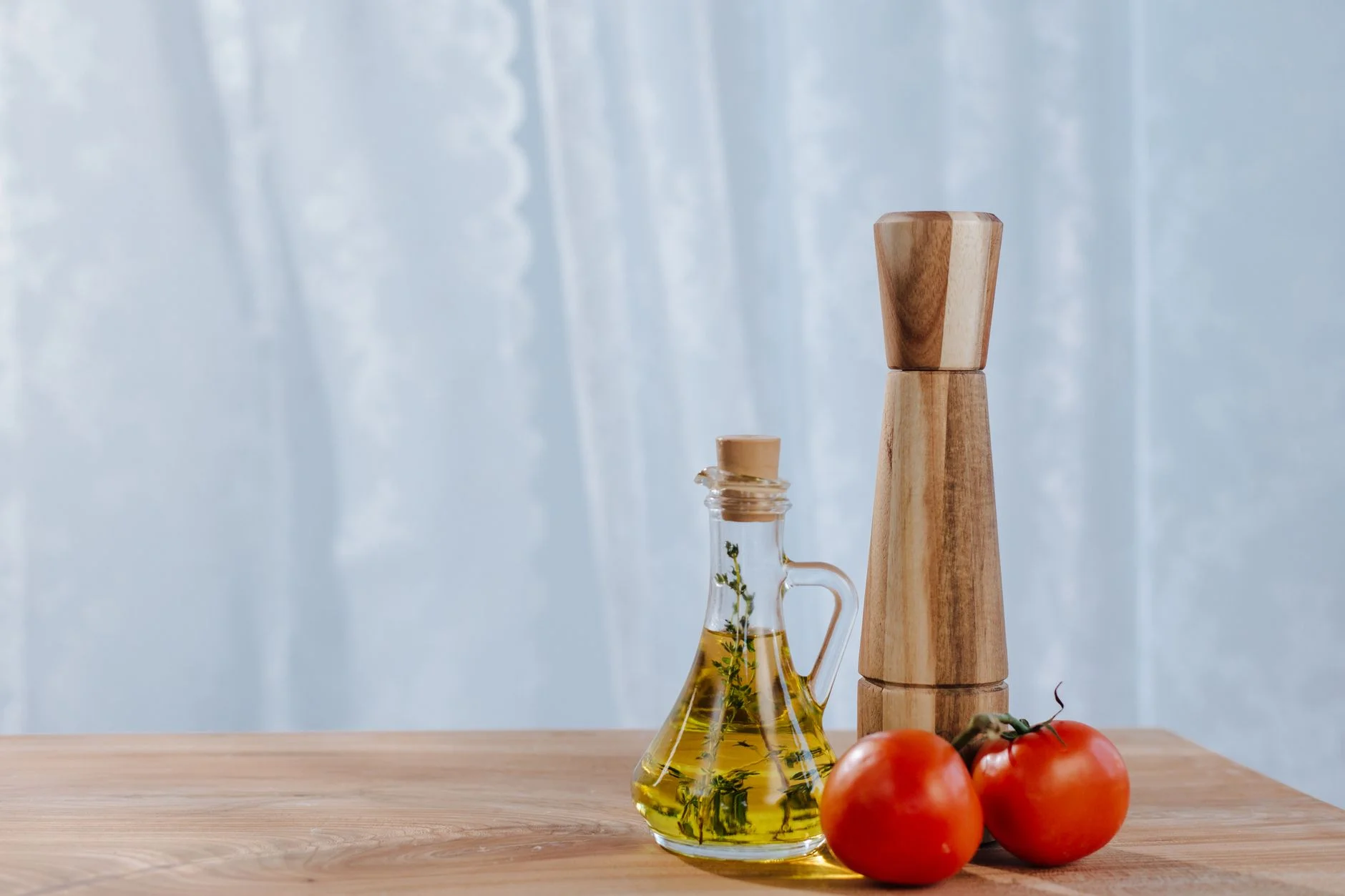
1. Extra Virgin Olive Oil (EVOO)
Smoke Point: 375°F – 410°F (190°C – 210°C)
Extra virgin olive oil sits comfortably within the range required for most home cooking tasks, including roasting vegetables, pan-searing fish, and sautéing aromatics. Because it is mechanically pressed without chemical solvents, it retains high levels of natural antioxidants. To learn more about these protective plant compounds, read the detailed breakdown in Polyphenols in Extra Virgin Olive Oil: Daily Guide.
2. Virgin Olive Oil
Smoke Point: 390°F (199°C)
Slightly less refined than extra virgin oil, virgin olive oil has a slightly higher acidity level but shares a similar thermal threshold. It works well for medium-heat skillet cooking and baking.
3. Refined Olive Oil (“Pure” Olive Oil)
Smoke Point: 465°F (240°C)
Refined olive oil undergoes filtration and processing that removes impurities and free fatty acids, raising its smoke point significantly. While it loses much of the robust flavor and polyphenol content found in unrefined oils, it provides a neutral cooking medium for high-heat applications like deep frying.
4. Olive Pomace Oil
Smoke Point: 460°F (238°C)
Extracted from the residual olive pulp using solvents and heat, pomace oil is a heavily processed commercial oil designed for high-temperature culinary operations. While stable under extreme heat, it lacks the complex flavor profile and nutritional compounds associated with early-harvest oils.
Mediterranean-Inspired Seared Salmon Recipe
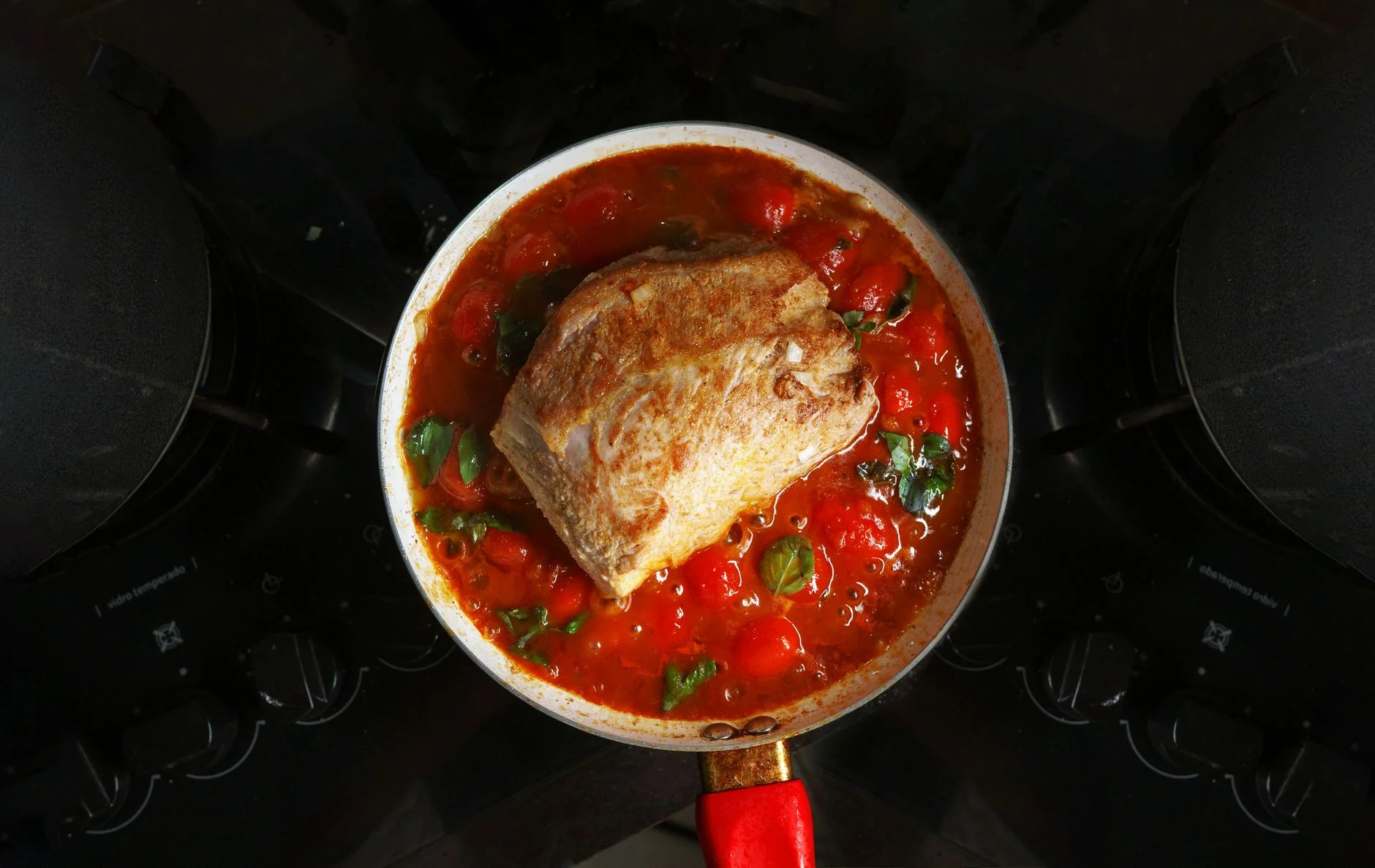
Put your knowledge of oil stability into practice with this simple, flavorful Mediterranean-inspired seared salmon dish. Using extra virgin olive oil adds a rich, savory depth to the fish while keeping prep time minimal.
- Servings: 2
- Prep Time: 10 minutes
- Cook Time: 8 minutes
- Total Time: 18 minutes
Ingredients
- 2 salmon fillets (about 6 oz each), patted dry with paper towels
- 1 tablespoon extra virgin olive oil
- 1/2 teaspoon kosher salt
- 1/4 teaspoon freshly ground black pepper
- 1 lemon, cut into wedges
- 2 cloves garlic, gently crushed
- 1 sprig fresh rosemary
Instructions
- Remove the salmon fillets from the refrigerator and pat them thoroughly dry with paper towels to ensure a clean sear. Season both sides evenly with kosher salt and black pepper.
- Place a heavy-duty stainless steel or cast-iron skillet over medium heat. Add the extra virgin olive oil and allow it to warm until it shimmers gently, staying well below its smoke point.
- Carefully lay the salmon fillets skin-side down into the hot skillet. Add the crushed garlic cloves and fresh rosemary sprig to the oil around the fish.
- Cook undisturbed for about 5 minutes until the skin becomes crisp and golden brown.
- Flip the fillets and continue cooking until the internal temperature reaches 145°F (63°C) at the thickest part, checked with an instant-read thermometer, which takes approximately 3 more minutes (USDA Food Safety and Inspection Service).
- Transfer the salmon to plates, squeeze fresh lemon juice over the top, and serve immediately.
Tips and Substitutions
If you prefer a different oil for high-heat searing, avocado oil serves as a reliable alternative. Always select high-quality bottles by consulting resources like Extra Virgin Olive Oil: The Ultimate Buyer’s Guide to ensure authenticity and freshness.
Storage Guidance

Store your cooking oils in a cool, dark cupboard away from the stove to protect them from heat and light degradation. Refrigerate leftovers promptly and use them within 3 to 4 days.
Food Safety Tips
Always handle raw fish with clean hands and sanitized utensils to prevent cross-contamination. Use a digital food thermometer to verify that cooked seafood meets the safe internal temperature threshold before consumption. Refrigerate any leftover cooked fish promptly.
Nutrition information: Not calculated. Nutritional values can vary depending on ingredient brands, portion sizes, and preparation methods.
Frequently Asked Questions
Is it unsafe to cook with extra virgin olive oil?
No, cooking with extra virgin olive oil at standard home temperatures is entirely safe. Its natural antioxidants help stabilize the oil against thermal breakdown during everyday tasks like roasting and sautéing.
Does heating olive oil destroy its health benefits?
While some volatile aromatic compounds and antioxidants decrease with prolonged exposure to high heat, studies show that extra virgin olive oil retains a significant portion of its beneficial monounsaturated fats and antioxidants during normal cooking (National Institutes of Health).
How can I tell if my oil is overheating?
If your skillet begins to release a continuous, thin bluish smoke and smells harsh or acrid, the oil has exceeded its smoke point. Remove the pan from the heat immediately.
Further reading from trusted sources